
Key Insights into Clothing Manufacturing Companies and Their Impact
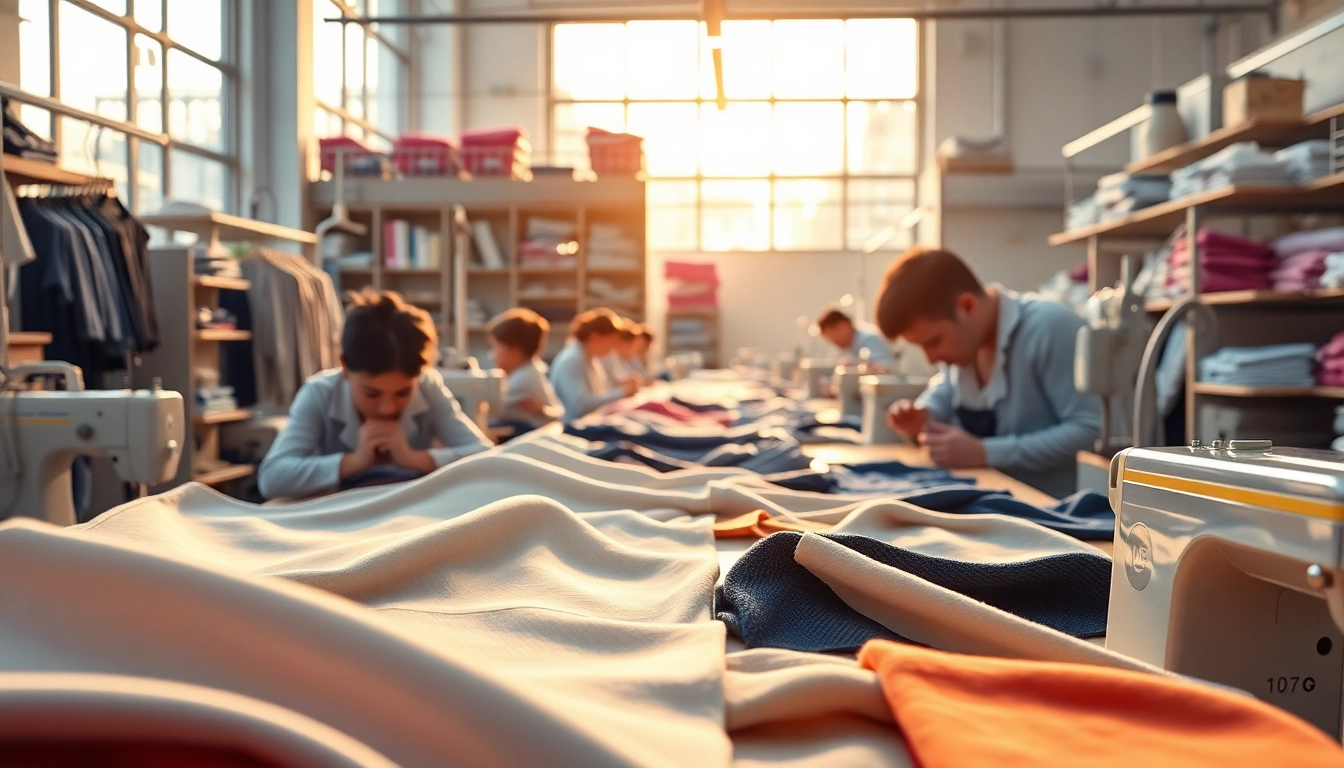
Understanding Clothing Manufacturing Companies
The world of Clothing Manufacturing Companies is intricate, combining various stages of production, a multitude of key players, and a growing emphasis on ethical practices. The manufacturing process itself is a blend of artistry and engineering, aimed at meeting consumer demands while adhering to standards and regulations. This article explores the manufacturing processes, identifies the industry’s key players, and underscores the importance of ethical considerations in today’s market.
Overview of the Manufacturing Process
The clothing manufacturing process can be broken down into several stages, from design to distribution. It begins with product development, where designers create initial sketches that meet current market trends. Once a design is approved, it moves to the prototyping phase, where samples are created for testing fit and fabric choices.
After obtaining feedback on the prototypes, the production phase begins, typically involving cutting, sewing, and finishing garments. Modern technology has revolutionized these stages, with techniques such as computer-aided design (CAD) and automated cutting machines enhancing efficiency. Finally, quality assurance and logistics play critical roles in ensuring that products meet consumer expectations and are delivered on time.
Key Players in the Industry
The clothing manufacturing industry comprises various participants, including fabric suppliers, manufacturers, and retailers. Fabric suppliers provide the raw materials necessary for garment production, while manufacturers transform these materials into finished products.
Retailers then sell these goods to consumers, illustrating the interconnectedness of the clothing supply chain. Additionally, the rise of online selling platforms has altered traditional retail dynamics, allowing manufacturers to reach broader audiences directly. This shift is critical as companies adapt to evolving consumer preferences and purchasing habits.
Importance of Ethical Practices
In recent years, there has been a heightened awareness of ethical practices within clothing manufacturing. Consumers increasingly demand transparency regarding labor conditions, environmental sustainability, and animal welfare in the production process. Brands that adhere to ethical manufacturing principles are more likely to foster loyalty among environmentally conscious consumers.
To maintain ethical standards, manufacturers often undergo strict audits and collaborate with third-party organizations that assess their practices. This commitment to ethical operations not only improves brand reputation but can also lead to cost savings in the long run through better resource management.
Key Benefits of Choosing Clothing Manufacturing Companies
Cost Efficiency in Production
One of the primary reasons businesses opt for established Clothing Manufacturing Companies is their ability to deliver cost efficiencies. Bulk purchasing of materials and optimized production processes contribute to lower overall production costs. By leveraging economies of scale, manufacturers can minimize expenses on material sourcing, labor, and overhead.
Furthermore, inviting manufacturers to handle production frees businesses to focus on their core competencies, such as marketing and sales, allowing for better overall business performance.
Quality Assurance and Standards
Quality assurance is another vital benefit of working with reputable manufacturers. Established Clothing Manufacturing Companies often have stringent quality control processes in place, which help to ensure that products meet industry standards and consumer expectations across various markets.
Brands can invest in more effective quality assurance measures by collaborating with manufacturers who prioritize consistency and durability. This minimizes the risk of defects and returns, which can significantly impact profitability.
Flexible Production Capabilities
Flexibility in production capabilities is essential in a fast-paced fashion landscape where trends change rapidly. Clothing Manufacturing Companies can adapt to varying order sizes, designs, and timelines thanks to sophisticated production techniques and technology. This flexibility is crucial for businesses to better respond to changing consumer demands and market conditions.
Moreover, manufacturers can often offer a range of customized services, from small batch production to large volume runs, allowing brands to experiment with new lines and collections without overcommitting financially.
Challenges Faced by Clothing Manufacturing Companies
Sustainability Issues
Sustainability has become a core concern for the clothing industry, given its significant environmental impact. Many Clothing Manufacturing Companies struggle to adopt environmentally friendly practices, which can incur higher costs and require a shift in traditional manufacturing processes.
Companies face challenges in sourcing sustainable materials, reducing waste, and managing emissions. However, those that invest in sustainable practices not only contribute positively to the environment but also appeal to a growing base of eco-conscious consumers.
Supply Chain Disruptions
Supply chain disruptions can have devastating effects on clothing manufacturing companies. Issues may arise from supplier inconsistency, geopolitical issues, or natural disasters that can halt production. The COVID-19 pandemic uniquely highlighted the vulnerability of manufacturing supply chains, leading to delays and cost increases across the board.
To counter these challenges, manufacturers are now increasingly focused on diversifying their supply chains and adopting technologies that provide real-time visibility into inventory and logistics.
Labor Shortages and Skills Gap
The clothing manufacturing sector currently faces significant labor shortages and a skills gap, making it increasingly difficult to find skilled workers who can meet production needs. As the older workforce retires, there are insufficient new recruits with the necessary competencies to fill these roles.
Companies are investing in upskilling programs and partnerships with educational institutions to help equip the future workforce with the skills required. Adopting technology in production processes also offers the potential to bridge this gap, allowing automation to supplement human labor.
Best Practices for Working with Clothing Manufacturing Companies
Effective Communication Strategies
Effective communication is vital when partnering with Clothing Manufacturing Companies. Establishing clear expectations and open channels for ongoing dialogue can significantly enhance collaboration and prevent misunderstandings.
Regular meetings, updates, and feedback sessions can help ensure that both parties remain aligned throughout the production process, ultimately resulting in improved product quality and speed to market.
Implementing Quality Control Measures
Implementing robust quality control measures is essential for any partnership with clothing manufacturers. Brands should develop quality specifications and parameters collaboratively, establishing accountability and performance metrics for the manufacturers involved.
Conducting periodic audits and inspections can help ensure adherence to established quality standards, thus minimizing defects and enhancing customer satisfaction.
Long-term Partnerships for Success
Building long-term partnerships with Clothing Manufacturing Companies can lead to mutual success. When companies foster trust and collaboration with their manufacturers, they often benefit from more favorable terms, greater flexibility, and enhanced service quality.
Long-term relationships allow both parties to invest in joint development, resulting in innovations, improved processes, and further cost savings over time.
Future Trends in Clothing Manufacturing Companies
Technological Advancements in Production
The future of clothing manufacturing will likely be shaped by technological advancements, including automation and artificial intelligence. Smart factories that utilize machine learning, IoT devices, and robotics are gradually becoming the norm.
These technologies can optimize production efficiency, reduce waste, and enhance labor productivity while allowing for more customized manufacturing solutions that align with consumer preferences.
Growing Demand for Sustainable Practices
As consumers become increasingly conscious of their environmental impact, the demand for sustainable practices in clothing manufacturing is expected to expand significantly. Companies that embrace eco-friendly methods will not only comply with regulations but could also gain a competitive advantage in the marketplace.
The trend toward circular fashion, which emphasizes recycling and reusing materials, will likely gain traction, pushing manufacturers towards more sustainable raw material sources and waste reduction strategies.
Adapting to Consumer Preferences
Today’s consumers expect personalized and direct engagement with brands, prompting clothing manufacturers to adapt quickly to shifting preferences. This includes not only the designs but also the inclusivity of sizes, styles, and gender-neutral options that resonate with diverse audiences.
Manufacturers that respond swiftly to these changes will capture new market segments and foster brand loyalty among consumers who view them as aligned with their values and lifestyle preferences.
Frequently Asked Questions
What are Clothing Manufacturing Companies?
Clothing Manufacturing Companies are businesses that produce garments from raw materials through processes that include design, cutting, sewing, and quality assurance.
How does the manufacturing process work?
The manufacturing process involves stages such as product development, prototyping, production, and finally quality control before distribution to retailers or consumers.
What are the benefits of working with manufacturers?
Benefits include cost efficiency, assured quality standards, flexible production capabilities, and the ability to focus on core business activities.
What are common challenges faced in clothing manufacturing?
Common challenges include sustainability issues, supply chain disruptions, labor shortages, and the skills gap among workers in the industry.
What trends should manufacturers focus on for the future?
Future trends include embracing technological advancements, prioritizing sustainable practices, and adapting to evolving consumer preferences in the marketplace.