Fashion Trends: Embracing Diversity and Individuality in Style

Understanding Fashion: A Brief Introduction
Fashion is an ever-evolving realm that encapsulates more than just clothing; it intertwines with identity, culture, and societal changes. The Fashion industry reflects human creativity, technical skill, and socio-political dynamics. This expansive field influences how people present themselves and perceive others, transforming mundane fabrics into expressions of individuality and community. Let’s delve into the intricate facets of fashion—from its rich history to its role as a cultural marker.
The Evolution of Fashion
The notion of fashion is not static; it has constantly evolved through different historical periods. The evolution has seen dramatic shifts influenced by significant cultural events. For instance, in ancient civilizations, clothing primarily served practical purposes. As society progressed, fashion became a canvas showcasing artistry and trends influenced by social classes, professions, and cultural shifts. The Renaissance Period celebrated flamboyance with its luxurious fabrics and intricate designs, setting a precedent for future fashion revolutions.
Fast forward to the 20th century, and we witness the democratization of fashion with the rise of ready-to-wear styles. The industrial revolution enabled mass production, making stylish clothing accessible to a wider audience. Fashion weeks and economic conditions drastically influenced the styles and designs, paving the way for contemporary trends shaped by digital landscapes and global outreach.
Key Elements of Fashion
Fashion comprises many critical elements that work together to create cohesive and impactful styles. Understanding these elements is vital for anyone seeking to engage meaningfully with the fashion world:
- Color: Color theory plays a significant role in fashion aesthetics. Colors can evoke emotions, convey messages, and enhance visual appeal.
- Silhouette: The shape and cut of garments critical to how they fit and flatter the body. Understanding silhouettes can help individuals choose pieces that enhance their figures.
- Texture: The surface quality of fabrics influences the look and feel of an outfit. Various textures can add depth and dimension to a fashion ensemble.
- Fabric: The material chosen defines not only comfort but also functionality and sustainability. Each fabric has unique properties that affect an outfit’s practicality and style.
- Accessories: Accessories such as jewelry, bags, and shoes complete a look. They offer personal expression and contribute to the overall narrative of an outfit.
Fashion as Cultural Expression
Fashion is a reflection of cultural identity and societal values, serving as a means of communication. Throughout history, different styles have emerged that symbolize trends, movements, and generations. African fabrics, for example, showcase the vibrancy of heritage, while Western fashion often reflects a blend of contemporary influences.
Moreover, fashion serves as a platform for marginalized communities to express their identities and advocate for social changes. The LGBTQ+ movement has embraced fashion as a form of resistance and self-affirmation, celebrating diversity in all forms—color, shape, and gender. Brands and designers are increasingly recognizing the importance of inclusivity, as seen in runway shows featuring diverse models that challenge traditional beauty standards.
Current Fashion Trends You Need to Know
Fashion is a dynamic landscape influenced by personal expression, societal standards, and technological advancements. Staying updated on current trends provides inspiration and insight into cultural shifts. Below are key current fashion trends shaping the industry.
Street Style Inspirations
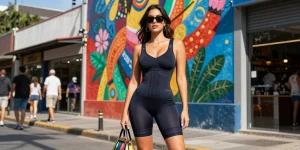
Street style has swiftly become a primary source of inspiration for high fashion. This grassroots style-driven trend fuses comfort with individuality. Influencers and social media play a crucial role in spreading street fashion on a global scale. Elements like oversized silhouettes, graphic tees, and unique footwear define this look, allowing people to showcase their personal style creatively.
Seasonal Fashion Trends
Fashion is inherently seasonal; each season brings new trends inspired by past styles and modern innovations. Currently, we are witnessing the resurgence of 90s fashion with high-waisted jeans and colorful windbreakers making a comeback. Sustainability is also becoming a fashionable statement, with more designers opting for eco-friendly materials and practices that resonate with conscious consumers.
Iconic Fashion Movements
Throughout history, several fashion movements have left indelible marks on style. Consider the Bauhaus movement, which influenced minimalism in fashion, prioritizing functionality and simplicity. Another significant movement is Punk fashion, characterized by rebellion and anti-establishment aesthetics. Today, movements like athleisure highlight a shift towards comfort and practicality, merging fitness wear with everyday clothing.
Fashion and Sustainability: A Necessary Change
The rise of sustainability in fashion reflects growing concerns about environmental impacts and ethical sourcing. Consumers are increasingly demanding transparency, and brands are responding with sustainable initiatives. Here’s how sustainability is being woven into the fabric of fashion.
Eco-Friendly Fabrics
Fashion is moving towards the adoption of eco-friendly fabrics such as organic cotton, TENCEL™, and hemp. These materials minimize the environmental footprint while providing comfort and versatility. Innovations in fabric technology are leading to the development of biodegradable textiles and recycled materials, fostering a circular economy in fashion.
Conscious Consumerism
Today’s consumers are more informed and deliberate about their purchasing decisions. They seek out brands that align with their values, supporting sustainable practices and ethical labor conditions. This shift is changing the marketing landscape, where brands focus on storytelling and transparency to build trust and loyalty.
Local and Handcrafted Fashion
With a growing appreciation for local craftsmanship, many consumers are investing in handmade or localized fashion products. These pieces not only support local economies but also offer uniqueness and quality that mass-produced items often lack. Brands that highlight artisanal practices resonate with consumers looking for one-of-a-kind products with positive community impacts.
Navigating the Fashion World: Tips for Consumers
Finding your way through the vast world of fashion can be overwhelming. However, several strategies can help individuals cultivate their unique style while making informed choices. Whether you’re building your wardrobe or revamping your look, consider these tips.
Building a Capsule Wardrobe
A capsule wardrobe consists of versatile pieces that can be mixed and matched to create various outfits. Focus on neutral colors and timeless styles that prevent buyer’s remorse. Investing in quality rather than quantity ensures longevity and adaptability, supporting sustainable fashion practices.
Finding Your Personal Style
Identifying your personal style can be empowering. Start by analyzing what styles resonate with you through mood boards, Pinterest, or social media. Experimenting with different looks allows for authentic self-expression. Don’t hesitate to explore various trends until you find the ones that truly embody your personality.
Mixing and Matching Outfits
Fashion thrives on creativity, and mixing patterns, textures, and colors can yield stunning results. Learn to layer different pieces effortlessly, focusing on balance and proportion. A mix-and-match approach encourages individuality and makes getting dressed an enjoyable experience.
Frequently Asked Questions About Fashion
What does fashion mean?
Fashion refers to the creation and style of clothing, accessories, and aesthetics representing cultural identities and personal expression.
What are the current fashion trends?
Current trends include oversized silhouettes, bold prints, sustainable fashion, and eclectic layering to express individuality.
How can I develop my personal fashion style?
Start exploring different influences, experiment with colors and patterns, and choose pieces that reflect your personality and comfort.
What role does fashion play in self-expression?
Fashion serves as a powerful medium for individuals to communicate their identity, beliefs, and emotional states through clothing choices.
How to shop sustainably in fashion?
Opt for brands that prioritize sustainability, choose quality over quantity, and consider thrift shopping or swapping clothes with friends.