
How to Waterproof Leather Boots for Winter: Simple Steps for Lasting Protection
Understanding Leather Boot Care
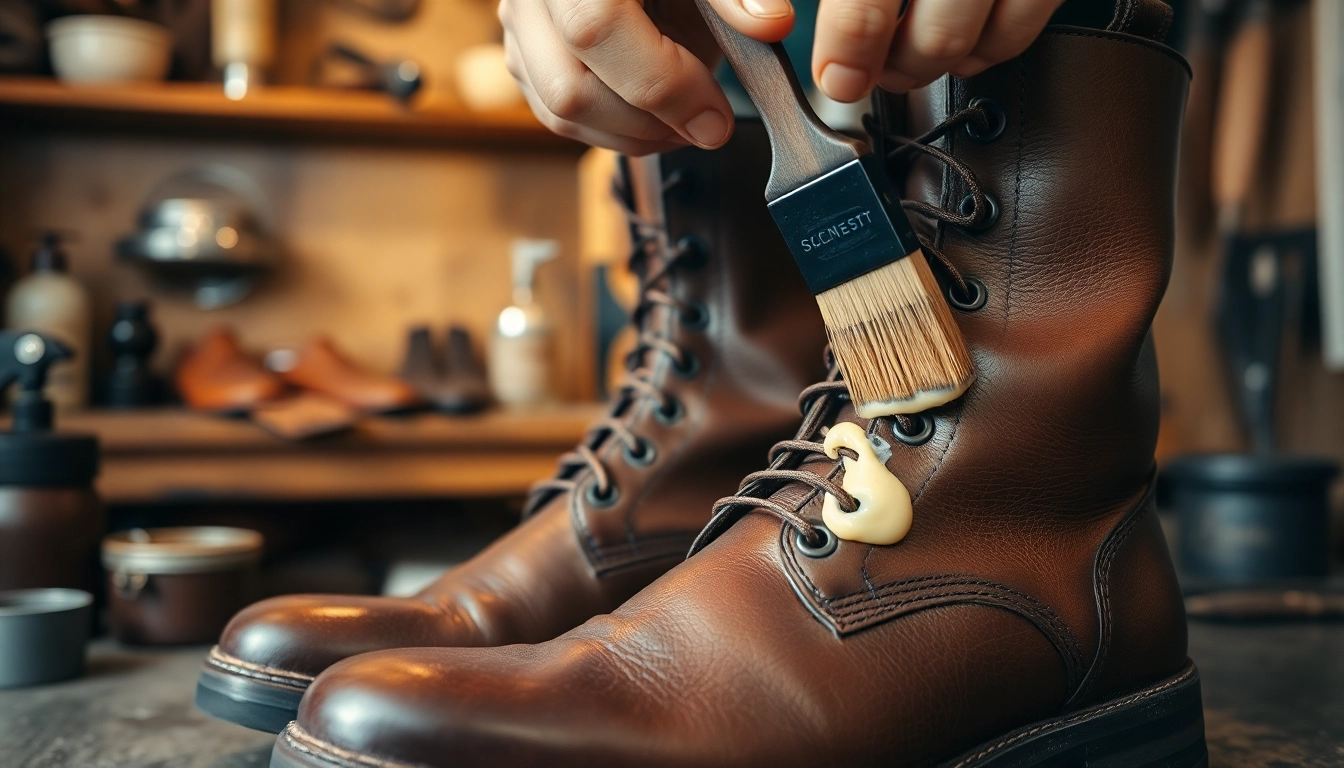
Leather boots are not just a fashion statement; they are essential for protecting your feet in various environments, particularly during harsh winter conditions. Ensuring your boots remain effective requires proper care, especially when it comes to waterproofing. In this article, we will explore how to waterproof leather boots for winter, focusing on why it matters and how to achieve lasting protection.
Importance of Waterproofing Leather
Waterproofing leather boots is critical for several reasons. First and foremost, it protects the leather from water damage, which can lead to rotting, mold, and mildew over time. Additionally, untreated boots can absorb water, causing discomfort and cold feet in winter. On a performance level, waterproofing enhances the longevity of boots, preserving their shape and fit, ultimately saving you money on replacements.
Common Problems Faced in Winter
Winter brings unique challenges for leather boots. Snow, ice, and slush can create an environment where moisture seeps into the leather, leading to various issues:
- Stains: Salt and chemical de-icers can leave grey stains.
- Cracking: Dry conditions while the leather is wet can lead to cracks.
- Loss of Shape: Excessive water can cause the boots to lose their original form.
Understanding these issues is the first step toward effective protection.
Types of Leather and Their Care Needs
Leather boots can be made from different types of leather, each requiring specific care methods:
- Full Grain Leather: Durable and water-resistant but needs conditioning.
- Nubuck Leather: Soft and velvety but susceptible to stains.
- Suede Leather: Requires special treatments to repel moisture.
Knowing the type of leather will help you choose the appropriate waterproofing method and products.
How to Waterproof Leather Boots for Winter
Essential Materials Needed
Preparing to waterproof your leather boots involves gathering the right materials. Here’s a list to get you started:
- Leather conditioner
- Waterproofing wax or spray
- Clean cloths
- Soft-bristle brush
- Heat source (like a hair dryer)
Having these items will facilitate a thorough and effective waterproofing process.
Step-by-Step Waterproofing Process
Follow these steps to waterproof your leather boots properly:
- Clean the Boots: Remove dirt and debris using a soft-bristle brush, followed by a damp cloth.
- Condition the Leather: Apply a leather conditioner to soften and nourish the leather, allowing it to absorb waterproofing agents effectively.
- Apply Waterproofing Product: Evenly apply a waterproofing wax or spray. If using wax, warm it slightly for easier application.
- Work it in: Rub the wax into the leather using a clean cloth, ensuring an even coat.
- Heat the Leather: Use a hair dryer on low setting to help the waterproofing agent penetrate deeper into the leather.
- Let It Dry: Allow the boots to dry completely at room temperature, away from direct heat sources.
This comprehensive approach will create a water-resistant barrier around your boots.
Best Practices for Application
To ensure the best results, keep these practices in mind:
- Test on a small area first to check for any discoloration.
- Reapply every few months, especially before winter.
- Store boots in a cool, dry place to maintain their shape and waterproofing.
These simple steps can significantly extend the life of your leather boots.
Natural Methods for Waterproofing Leather
Using Beeswax for Effective Protection
Beeswax is an excellent natural product for waterproofing leather. It works by creating a moisture-resistant layer that also nourishes the leather. To use beeswax:
- Clean the boots thoroughly.
- Warm the beeswax slightly to soften it.
- Apply it evenly to the leather using a cloth, focusing on seams and joints.
- Use a low-heat source to help absorb the wax into the leather.
This method not only waterproofs but also maintains the suppleness of the leather.
Natural Oils and Their Benefits
Using oils like mink oil or neatsfoot oil can also provide waterproofing benefits while conditioning the leather:
- Mink Oil: Softens and repels water, providing a natural barrier.
- Neatsfoot Oil: Deeply penetrates and nourishes, ideal for older leather.
Apply oils sparingly, and always follow with a protective wax or treatment to lock in moisture.
Homemade Solutions to Consider
If you prefer to use household items, consider the following mixtures:
- Coconut Oil and Beeswax: Mix equal parts and apply as a waterproofing layer.
- Vaseline: Can provide temporary waterproofing in a pinch.
However, be cautious as not all homemade options provide the same effective long-term results as commercial products.
Maintaining Waterproofed Leather Boots
Regular Care Practices
A maintenance routine is essential for ensuring that waterproofing lasts throughout the winter season:
- Clean boots regularly to prevent dirt buildup.
- Apply leather conditioner every month for supple leather.
- Check seams and soles for wear and reinforce as needed.
These practices can help maintain the integrity and waterproofing of your boots.
How to Reapply Waterproofing
Reapplying the waterproofing treatment depends on usage, but generally every 2-3 months during winter suffices. Follow the initial waterproofing steps listed above. Ensure that the boots are clean and dry before starting the process again.
Storage Tips for Longevity
Proper storage of leather boots is crucial when not in use:
- Store in a cool, dry place away from direct sunlight.
- Use boot trees to maintain shape.
- Wrap in cotton cloth rather than plastic to allow breathability.
Employing these tips will prolong the life of your leather boots.
Frequently Asked Questions
How to Waterproof Leather Winter Boots?
You can waterproof leather winter boots by applying waterproofing creams, waxes, or sprays specifically designed for leather. Conditioning the leather before applying these products enhances penetration and efficacy.
Can Leather Boots Be Waterproofed Successfully?
Yes, leather boots can be successfully waterproofed using various methods such as wax treatments or sprays. Regular maintenance and reapplication improve effectiveness.
Will Using WD-40 Waterproof My Boots?
WD-40 is sometimes used as a temporary waterproofing agent, but it’s not advisable for prolonged use as it may damage the leather over time.
How Often Should I Waterproof My Leather Boots?
Waterproofing should generally be done every few months, especially before winter. Heavy usage or exposure to wet conditions may require more frequent application.
Can I Use Household Items for Waterproofing?
Yes, household items like beeswax or oils can serve as makeshift waterproofing agents. However, dedicated leather care products often provide better and longer-lasting results.