
The Importance of Rehabilitation
Rehabilitation is a vital process aimed at helping individuals regain their physical abilities and independence after an injury or surgery. In today’s society, where an increasing number of people are affected by chronic pain, mobility issues, or post-surgical recovery, the role of rehabilitation becomes even more critical. Health in Motion Rehabilitation provides a comprehensive approach to this essential process, helping patients achieve optimal recovery and overall well-being.
Understanding Rehabilitation Principles
Rehabilitation is anchored in several key principles, which can transform the healing journey for many patients. These principles include patient-centered care, multidisciplinary collaboration, evidence-based practices, and ongoing assessment and adjustments to treatment plans. A patient-centered approach fosters an environment where the individual’s needs and goals are prioritized. Multidisciplinary collaboration involves various healthcare professionals working together, each contributing expertise to enhance patient outcomes. Evidence-based practices ensure the most effective interventions are employed based on the latest research and clinical findings. Regular assessment allows for necessary adjustments to treatment plans, ensuring patients stay on track towards their rehabilitation goals.
Types of Rehabilitation Services
Rehabilitation services vary widely to address diverse needs. They generally encompass physical therapy, occupational therapy, speech-language pathology, and psychological services. Each type targets specific rehabilitation goals:
- Physical Therapy: Focuses on improving movement and reducing pain through exercises, manual therapy, and modalities.
- Occupational Therapy: Helps individuals regain or develop the skills needed for daily living and work activities.
- Speech-Language Pathology: Addresses communication and swallowing disorders.
- Psychological Services: Provides mental health support to help individuals cope with the emotional aspects of their recovery.
Benefits of Health in Motion Rehabilitation
The benefits of engaging in a structured rehabilitation program, like those offered at Health in Motion Rehabilitation, are profound. Not only do these services help restore function and alleviate pain, but they also empower patients to take an active role in their recovery. Enjoying a higher quality of life, regaining independence, and reducing the risk of further injuries are outcomes that patients can achieve through targeted rehabilitation efforts.
Techniques Used in Health in Motion Rehabilitation
While each rehabilitation journey is unique, the techniques applied at Health in Motion Rehabilitation have shown significant effectiveness across various conditions and patient needs. Let’s explore some of these strategies in greater detail.
Manual Techniques for Pain Relief
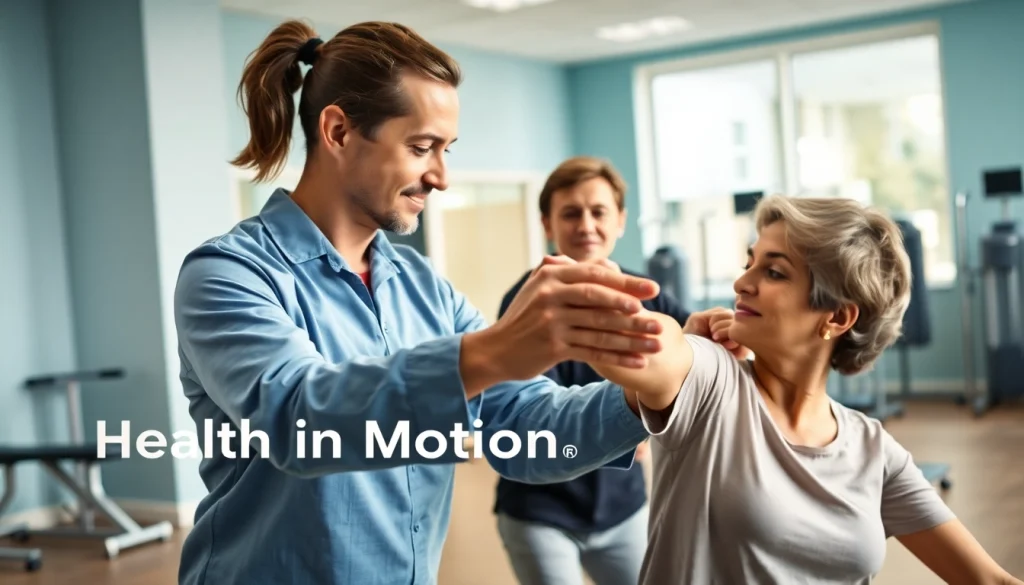
Manual therapy encompasses a range of hands-on techniques employed by therapists to relieve pain and improve mobility. These techniques include massage, joint mobilization, and manipulation. The therapeutic touch can facilitate the healing process by relaxing tight muscles, improving blood circulation, and promoting overall well-being. Rehabilitation therapists are trained to assess patients’ needs and apply the most appropriate manual techniques accordingly, making therapy both effective and individualized.
Exercise Therapies for Strength Building
Exercise therapy is a cornerstone of rehabilitation programs. Tailored exercise regimens enhance strength, flexibility, and endurance, addressing specific deficits caused by injury or surgery. Progressive resistance training, aerobic conditioning, and functional exercises are integral to improving patients’ physical capabilities. Therapists not only develop customized exercise programs based on individual evaluations but also educate patients on proper techniques to minimize the risk of re-injury.
Evidence-Based Practices in Rehabilitation
Incorporating evidence-based practices into rehabilitation ensures that all protocols are supported by the latest research and clinical evidence. This may involve the use of standardized assessment tools, monitoring performance metrics, and integrating innovative treatment modalities. By adhering to evidence-based guidelines, therapists can provide the most efficient and effective interventions that lead to successful outcomes and enhanced patient satisfaction.
Setting Goals in Rehabilitation
Setting clear and attainable goals is crucial in the context of rehabilitation. It not only provides direction but also motivates patients throughout their recovery journey.
Individualized Plans for Patients
Individualized rehabilitation plans are developed through thorough assessments that consider each patient’s unique circumstances, lifestyle, and recovery objectives. Health in Motion Rehabilitation prioritizes collaboration between patients and therapists in establishing these plans, ensuring they are realistic and tailored to facilitate progress. This personalized approach fosters accountability and encourages active participation in the rehabilitation process.
Measuring Progress and Adjustments
Regularly measuring progress is essential in rehabilitation, providing valuable feedback on the effectiveness of the intervention strategies being enacted. By utilizing various assessment tools and performance metrics—such as range of motion tests, strength assessments, and patient-reported outcomes—therapists can determine the rate of improvement and modify treatment plans if necessary. This dynamic approach enables continuous adaptation and optimization of rehabilitation efforts.
Long-term Outcomes and Success Stories
Documenting long-term outcomes and sharing success stories can greatly motivate current patients and highlight the efficacy of rehabilitation services. Success stories reflect the resilience of individuals overcoming obstacles in their rehabilitation journey, providing hope and encouragement to those facing similar challenges. Highlighting such narratives reinforces the value of structured rehabilitation, emphasizing goals achieved and improved quality of life.
Common Challenges in Rehabilitation
While rehabilitation provides critical support, it is not without its challenges. Recognizing common hurdles can prepare patients and healthcare providers to navigate them effectively.
Overcoming Mental Barriers
Mental barriers, such as fear of pain or anxiety about reinjury, can impede recovery. Addressing these psychological aspects is crucial for achieving optimal outcomes. Cognitive-behavioral techniques, mindfulness, and therapeutic interventions can help patients manage such mental hurdles, fostering resilience and a positive mindset throughout their journey.
Dealing with Physical Setbacks
Physical setbacks, whether due to pain flare-ups or unexpected complications, can occur during rehabilitation. It is essential to recognize these challenges as part of the recovery process. Developing a flexible mindset that allows patients to adjust their rehab plans in response to setbacks is vital. Support from therapists, as well as communication, can help to reframe challenges as temporary obstacles rather than failures.
Community Support and Resources
Community support plays a pivotal role in enhancing rehabilitation success. Encouraging patients to engage with local support groups or relevant resources can provide an invaluable network of encouragement and shared experiences. This interaction fosters a sense of belonging and can significantly enhance motivation, reminding individuals they are not alone in their rehabilitation journey.
Future Trends in Health in Motion Rehabilitation
Looking ahead, the field of rehabilitation is poised for significant advancements. Understanding and integrating future trends can enhance the effectiveness of rehabilitation services.
Technological Innovations Shaping Rehabilitation
Advancements in technology are continuously transforming rehabilitation practices. The integration of teletherapy, wearable devices, and virtual reality therapies is creating new avenues for patient engagement and monitoring. These innovations enable therapists to reach patients remotely, provide real-time feedback, and enhance engagement through interactive environments, thereby promoting effective recovery.
Integrative Approaches in Healing
Integrative rehabilitation approaches combine traditional rehabilitation practices with complementary therapies, such as acupuncture, yoga, and nutrition. This holistic perspective recognizes that optimal healing requires addressing the physical, emotional, and nutritional needs of each individual. By embracing a comprehensive approach to rehabilitation, patients can benefit from an array of techniques that enrich their recovery journey.
Lessons Learned from Rehabilitation Practices
Through ongoing practice and research, the rehabilitation community continues to learn and adapt. Insights gleaned from patient experiences, outcomes, and emerging evidence play a crucial role in shaping future practices. Keeping abreast of lessons learned allows practitioners to refine their strategies, thus enhancing the effectiveness of rehabilitation services and fostering optimal recovery for all patients.