
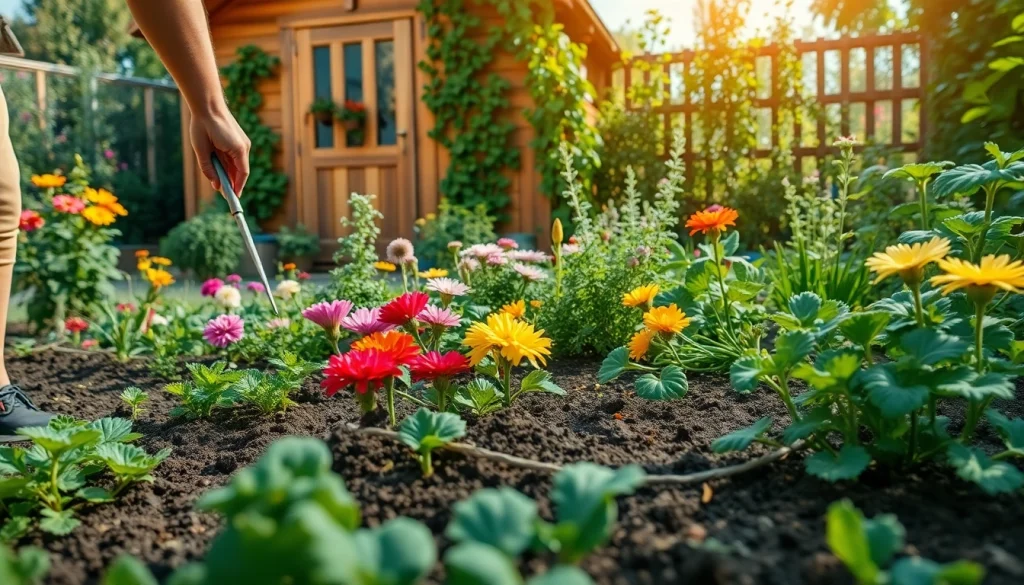
Getting Started with Gardening
Embarking on your Gardening journey can be both thrilling and overwhelming. With the right tools, knowledge, and approach, even the most novice gardener can cultivate a thriving outdoor space. This guide will take you through essential steps, from choosing plants that flourish in your environment to understanding what tools are necessary for successful gardening. Let’s dive into the fundamentals that will set you on the path to gardening success.
Essential Tools for New Gardeners
Every gardener needs a basic toolkit to successfully manage their gardening projects. Here’s a list of essential tools to get started:
- Hand Tools: A hand trowel and a weeder are essential for planting and weeding.
- Pruning Shears: To keep your plants in shape and encourage healthy growth.
- Gardening Gloves: Protect your hands from thorns, dirt, and blisters.
- Watering Can or Hose: Essential for keeping your plants hydrated.
- Spade and Rake: For breaking ground and soil preparation.
Investing in quality tools can greatly enhance your gardening experience. Durable, ergonomic designs can make your tasks easier and more efficient, allowing you to focus on cultivating your garden.
Understanding Soil Types and Preparation
Soil quality plays a critical role in the health of your plants. Different types of soil can affect drainage, mineral content, and overall plant growth. Here’s what you need to know about soil preparation:
- Sandy Soil: Drains quickly, which is ideal for root crops but may require more frequent watering.
- Clay Soil: Retains moisture well but can lead to root rot if not managed properly.
- Silt Soil: Rich in nutrients and has a good texture; however, it can be compacted easily.
- Loamy Soil: A mix of sand, silt, and clay; often considered the ideal garden soil.
To prepare your soil for planting, consider these steps: test your soil for pH and nutrient levels, amend it with organic matter like compost, and ensure it’s well-aerated for root growth.
Choosing the Right Plants for Your Climate
Not all plants thrive in every environment. Understanding your climate zone is key in selecting plants that will not only survive but thrive in your garden. Research local resources to identify:
- Native plants that are adapted to your local conditions.
- Seasonal plants that are suitable for your region’s climate.
- Plants that can offer pest resistance and require minimal maintenance.
By choosing the right plants, you can create a sustainable garden that requires less watering and fertilization, leading to a more successful and enjoyable gardening experience.
Fundamentals of Plant Care
Once your garden is set up, understanding plant care is essential for ensuring that your investment flourishes. Proper care involves regular monitoring, watering, and meeting the nutritional needs of your plants.
Watering Techniques and Best Practices
Watering is one of the most crucial aspects of plant care. Here are some best practices to consider:
- Water Deeply: Ensure water penetrates deep into the soil to encourage root growth.
- Water Early or Late: Watering during the early morning or late evening prevents evaporation and reduces heat stress.
- Use Mulch: Adding a layer of mulch retains moisture and suppresses weeds.
Monitor soil moisture by checking the top inch of soil; if it feels dry, it’s time to water. Consider using drip irrigation to deliver water directly to the roots efficiently.
Understanding Plant Nutrition and Fertilizers
For healthy growth, plants require essential nutrients. These nutrients can come from both the soil and fertilizers. Here are the key macronutrients to consider:
- Nitrogen (N): Promotes leafy growth and overall plant vigor.
- Phosphorus (P): Supports strong root development and flowering.
- Potassium (K): Enhances overall health and resistance to disease.
Regular soil testing can help you determine nutrient needs. Organic options like compost or well-aged manure are excellent starters, while synthetic fertilizers can also be used where suitable.
Recognizing Common Pests and Diseases
Pest management is essential for thriving plants. Here are some tips to identify and manage common garden pests and diseases:
- Monitor Regularly: Regular inspections can help catch problems early.
- Use Companion Planting: Certain plants can repel pests when grown together.
- Integrated Pest Management (IPM): Combine biological, cultural, and mechanical controls with chemical methods as a last resort.
Familiarize yourself with the signs of common pests (like aphids and spider mites) and diseases (such as powdery mildew and root rot) to manage them effectively.
Advanced Gardening Methods
For those looking to elevate their Gardening skills, there are numerous advanced techniques that can enhance your gardening experience.
Organic Gardening Techniques
Organic gardening focuses on utilizing natural methods to cultivate plants. Benefits include reduced chemical use and promoting a healthier ecosystem. Key techniques include:
- Crop Rotation: Reduces soil depletion and limits pest problems.
- Composting: Creates nutrient-rich soil amendments from organic waste.
- Natural Pest Control: Utilizing beneficial insects and plant diversity to keep pests at bay.
Embracing organic practices can lead to healthier plants and produce, as well as a more enjoyable gardening experience.
Container Gardening for Limited Spaces
Container gardening is an excellent solution for those with limited space. Here are essential tips for successful container gardening:
- Choose the Right Containers: Ensure pots have drainage holes and are made from breathable materials.
- Use Quality Potting Mix: Unlike garden soil, potting mix is designed to provide nutrients and retain moisture.
- Select Suitable Plants: Opt for compact varieties and herbs which thrive in containers.
With careful selection of plants and containers, you can create a vibrant garden even in small spaces.
Vertical Gardening: Maximizing Your Area
Vertical gardening is a creative way to maximize your growing area, especially in urban settings. Consider techniques such as:
- Vertical Planters: Wall-mounted planters can help save ground space while providing aesthetic appeal.
- Vertical Trellises: Allow climbing plants like beans and tomatoes to grow upwards.
- Hanging Baskets: Use celled containers or pots to hang herbs or flowers.
Vertical gardens can be both practical and visually stunning, allowing for a diverse range of plantings.
Seasonal Gardening Tips
Each season presents unique challenges and opportunities for gardeners. Staying ahead involves knowing what to plant and how to care for your garden throughout the year.
Spring Planting: What to Sow and When
Spring is the season of growth. Notable plants to sow include:
- Vegetables: Peas, lettuce, and carrots can thrive in early spring.
- Flowers: Marigolds and petunias are great options for spring blooms.
- Herbs: Basil and cilantro can be seeded directly into the garden.
This is the perfect time to prepare your soil and check for pests, ensuring your garden starts off strong.
Summer Maintenance and Care Techniques
During the summer, your garden requires extra attention due to heat and potential drought. Focus on:
- Regular Watering: Deep and consistent watering will help maintain plant health.
- Weed Control: Regularly check for weeds to prevent competition for water and nutrients.
- Mulching: Apply organic mulch to retain moisture and regulate soil temperature.
Keeping plants well-nourished during this time encourages robust growth and minimizes the risk of disease.
Preparing Your Garden for Fall and Winter
As the growing season winds down, fall offers an opportunity for preparation:
- Harvesting: Gather all ripe produce and store accordingly.
- Planting Fall Crops: Consider sowing crops such as garlic and cover crops to enrich the soil.
- Cleanup: Remove debris and diseased plants to prevent pest problems the following season.
By properly preparing your garden for winter, you can ensure a fruitful and easy start when spring returns.
Creating a Sustainable Garden
In a world increasingly focused on sustainability, creating a garden that promotes ecological health is paramount. Here are ways to craft a sustainable gardening practice.
Composting Essentials for Gardeners
Composting is a beneficial practice that transforms organic waste into nutrient-rich soil amendments. Here’s how to create a successful compost:
- Balance Your Greens and Browns: A mix of nitrogen-rich materials (greens) and carbon-rich materials (browns) is essential.
- Moisture Control: Compost should be moist but not wet; hydration helps decomposition.
- Turn Your Pile: Aerating your compost pile by turning it every few weeks speeds up the process.
Composting not only reduces waste but also enriches your garden soil, ultimately benefiting your plants.
Water Conservation Tips for Your Garden
Water conservation is critical, especially in areas prone to drought. Enhance your garden’s sustainability by:
- Collecting Rainwater: Install rain barrels to collect rainwater for irrigation.
- Drip Irrigation: This method delivers water directly to the plant roots, reducing evaporation.
- Mulching: As discussed earlier, mulch can help retain soil moisture.
These strategies not only aid in preserving water but also promote the healthy growth of your plants.
Encouraging Wildlife for a Balanced Ecosystem
Incorporating wildlife-friendly practices can enhance your garden’s health. Here’s how to promote biodiversity:
- Native Planting: Use native plants to attract butterflies, bees, and other beneficial insects.
- Creating Habitats: Incorporate birdhouses, bee hotels, and insect hotels to encourage wildlife habitation.
- Maintain a Water Source: Provide clean water in birdbaths or small ponds for wildlife.
By creating a habitat for wildlife, you contribute to a natural balance that benefits your garden.