
Mastering Gardening: Essential Tips for Thriving Vegetables and Plants
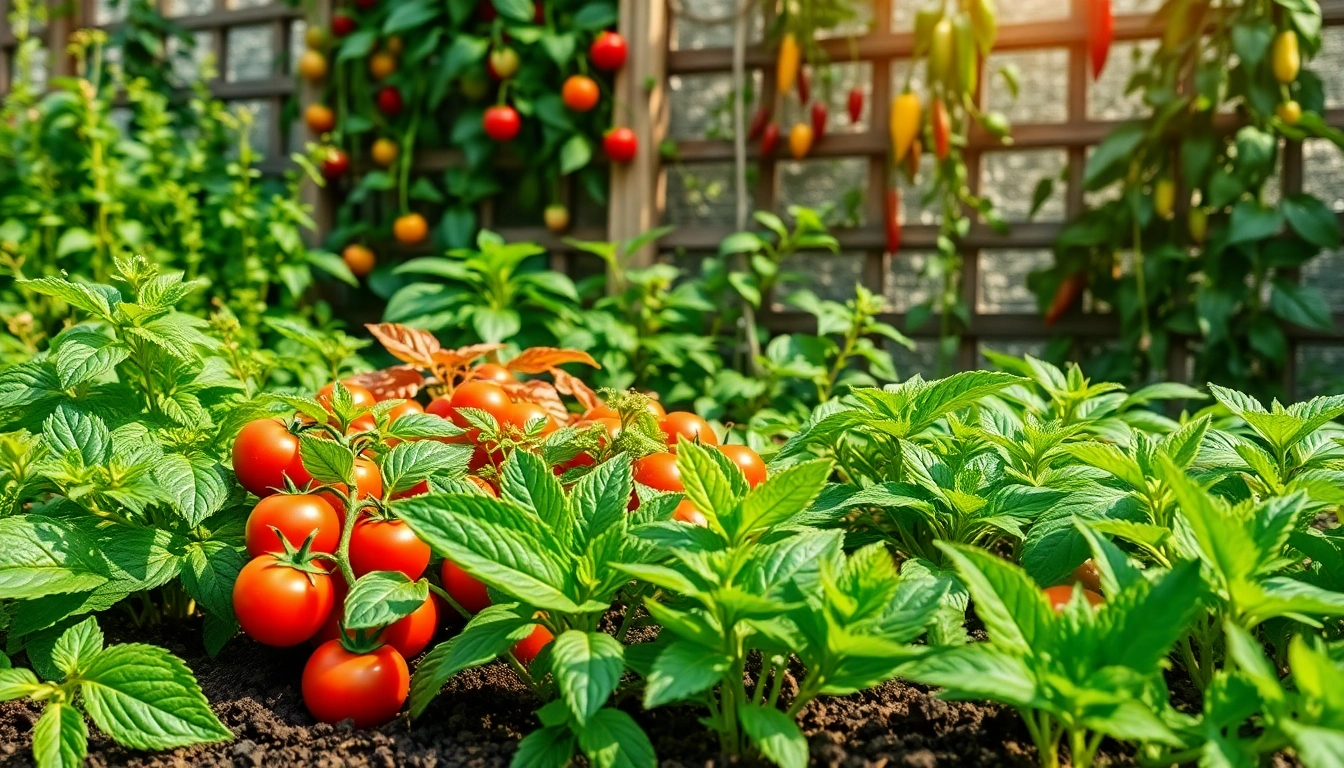
Understanding the Basics of Gardening
Defining Gardening and Its Benefits
Gardening is the practice of cultivating plants for food, ornamental purposes, and environmental enhancement. It encompasses various activities such as planting, tending, and harvesting, whether in a small backyard or on a larger agricultural scale. Engaging in Gardening provides numerous benefits, both for individuals and the surrounding ecosystem. Here are a few notable advantages:
- Physical Health: Gardening is an excellent way to engage in physical activity. It can improve flexibility, strength, and endurance while helping in weight management.
- Mental Well-being: Time spent in nature and tending to plants can reduce stress, anxiety, and depression. The act of nurturing living things can provide a sense of accomplishment and purpose.
- Environmental Impact: Gardening promotes biodiversity, improves air quality, and contributes to better soil health. Home gardens can play a role in supporting local ecosystems.
- Food Security: Growing your food can provide fresh produce, improve dietary habits, and reduce reliance on store-bought items, which are often more expensive and less fresh.
Key Elements of a Successful Garden
Creating a thriving garden requires a careful assessment of several key elements:
- Soil Quality: Healthy soil is the foundation for any garden. A soil test can help determine its pH level, nutrient content, and overall structure.
- Sunlight: Most plants require at least six hours of direct sunlight daily. Understanding the sun patterns in your gardening space is crucial.
- Watering: Adequate and efficient watering can determine the success of your garden. Developing a watering schedule based on the plant’s needs and the local climate can significantly bolster growth.
- Plant Selection: Choosing the right plants for your environment, climate, and personal preferences is essential for sustainability. The right plant in the right place will thrive far better than struggling species.
Types of Gardening: From Vegetable to Floral
Gardening can take many forms, tailored to your interests and available space:
- Vegetable Gardening: Focused on planting edible plants, vegetable gardens can produce fresh food and are often divided into raised beds or traditional rows.
- Flower Gardening: Often seen as an aesthetic pursuit, flower gardening enhances landscapes and provides beauty and fragrance.
- Herb Gardening: Growing herbs for culinary, medicinal, or ornamental purposes. Herbs can thrive in small spaces like windowsills or pots.
- Container Gardening: Involves growing plants in containers, ideal for limited space, urban settings, or for those who want to control the growing environment more closely.
Planning Your Gardening Space
Selecting the Right Location
Choosing the appropriate site for your garden can greatly impact its success. Factors to consider include:
- Sun Exposure: Observe the sun’s movement to find the ideal spot that provides sufficient light throughout the day.
- Wind Protection: If possible, locate your garden near natural windbreaks such as trees, fences, or walls. This will protect your plants from harsh winds.
- Accessibility: Ensure your chosen area is easily accessible for maintenance tasks like watering, weeding, and harvesting.
- Drainage: Poor drainage can lead to root rot. Look for a space that has good natural drainage or consider raised beds to improve drainage conditions.
Understanding Soil Composition and Quality
Soil is a dynamic ecosystem harboring countless organisms, and understanding its composition is vital:
- Soil Types: Different types of soil (clay, sandy, loamy, etc.) vary in drainage capacity and nutrient availability. Loamy soil is considered ideal due to its balanced properties.
- Nutrient Content: Essential nutrients such as nitrogen, phosphorus, and potassium need to be in a balanced ratio for optimal plant growth.
- Soil pH: The pH level affects nutrient uptake; most plants prefer a slightly acidic to neutral range (pH 6-7). Regular soil testing can help maintain proper levels.
- Soil Structure: Well-structured soil facilitates root development and improves aeration. Organic matter such as compost can enhance soil structure.
Designing Your Garden Layout
Once you’ve chosen the location and evaluated soil conditions, it’s time to design your garden layout:
- Traditional Rows: Often used in vegetable gardens, this design categorizes planting in long straight rows to optimize space and sunlight exposure.
- Raised Beds: Ideal for controlling soil conditions and drainage, raised beds are typically easier to manage and can produce higher yields.
- Garden Paths: Creating pathways within your garden layout improves access and helps manage water drainage while reducing soil compaction.
- Vertical Gardening: Utilizing vertical space by incorporating trellises, wall planters, or stacked pots is beneficial in limited spaces.
Essential Gardening Tools and Supplies
Must-Have Tools for Every Gardener
A well-equipped gardener is more likely to face challenges effectively. Here are essential tools every gardener should consider:
- Hand Tools: These include trowels, pruners, and weeders for planting and maintenance tasks.
- Gloves: Protect your hands from thorny plants and harsh soil conditions with a good pair of gardening gloves.
- Watering Can or Hose: An efficient watering system is crucial. A good hose with adjustable settings can simplify watering large areas.
- Rake and Hoe: Essential for soil preparation, making it easier to break up soil and create seed beds.
Choosing the Best Soil and Fertilizers
Selecting the right soil and fertilizers is instrumental in nourishing your plants:
- Soil Mixes: For potting plants, using a mix specific for container gardening can enhance growth. Consider blends that include peat moss, perlite, and vermiculite.
- Organic Fertilizers: Utilizing compost, manure, or organic fertilizers can enrich the soil with essential nutrients naturally.
- pH Adjusters: If your soil testing indicates imbalance, additives like lime (to increase pH) or sulfur (to decrease pH) can be beneficial.
- Slow-Release Fertilizers: Opt for fertilizers that release nutrients gradually, ensuring continuous nourishment throughout the growing season.
Watering Equipment: Making it Efficient
Efficient watering is critical to maintain healthy plants. Here are considerations:
- Drip Irrigation: An effective system that delivers water directly to the plant roots, reducing wastage and evaporation.
- Water Timers: Incorporating timers can automate watering schedules, ensuring consistent moisture without daily oversight.
- Rainwater Harvesting: Collecting rainwater can provide a sustainable and eco-friendly watering source for your garden.
- Soil Moisture Sensors: Use sensors to monitor soil moisture levels and avoid over or under-watering.
Planting Techniques for Success
Starting Seeds Indoors vs. Outdoors
Deciding whether to start seeds indoors or outdoors depends largely on your climate and the type of plants:
- Starting Indoors: Ideal for plants with longer growing seasons, starting seeds inside with proper lighting can give them a head start.
- Hardening Off: Transitioning plants that have been started indoors to outdoor conditions gradually prevents transplant shock.
- Direct Seeding: Some plants, like carrots or radishes, are best sown directly into the garden soil. This method allows them to establish roots more effectively.
- Timing is Key: Understanding your local growing season and frost dates helps dictate when to start seeds indoors or outdoors.
Planting Techniques: Rows, Raised Beds, and Containers
Different methods for planting can yield varying results. It’s essential to understand them:
- Row Planting: Common in large vegetable gardens, allows for easy access and facilitates maintenance.
- Raised Beds: Offers better drainage and soil control, and can be easier to manage, especially for those with physical limitations.
- Container Planting: Perfect for limited spaces. Ensure pots have drainage holes and are made from breathable materials.
- Succession Planting: Planting different crops in the same space throughout the growing season can maximize productivity.
Companion Planting and Its Benefits
Companion planting is based on the idea that certain plants can benefit each other when grown together:
- Pest Control: Some plants deter pests naturally when planted alongside vulnerable crops.
- Pollinator Attraction: Incorporating flowering plants that attract pollinators can enhance fruit and vegetable yields.
- Nutrient Sharing: Certain combinations can facilitate the sharing of nutrients and improve soil health.
- Example Pairings: Beans can enrich soil nitrogen for corn, while marigolds can deter nematodes from root systems.
Maintaining Your Garden: Best Practices
Watering Regularly: How Much is Enough?
Understanding proper watering practices is vital to ensure plant health:
- Frequency & Timing: Watering early in the morning or later in the evening can reduce evaporation losses.
- Deep Watering: It is better to water deeply and less frequently to encourage deep root systems rather than shallow roots.
- Observe Plant Needs: Yellowing leaves may indicate over-watering, while wilting could suggest a need for more moisture.
- Soil Testing: Regularly checking soil moisture levels can help you tailor your watering schedule accurately.
Weeding and Pest Management Strategies
Competing weeds and pests can hinder plant growth if not managed effectively:
- Mulching: Applying a layer of mulch around plants helps suppress weeds, retain moisture, and regulate soil temperature.
- Manual Weeding: Regularly inspecting your garden and pulling weeds by hand can prevent larger infestations.
- Natural Pest Control: Introducing beneficial insects such as ladybugs can help naturally manage pests.
- Integrated Pest Management (IPM): Adopting IPM strategies focuses on long-term pest solutions rather than relying strictly on chemical pesticides.
Harvesting: Knowing When and How to Collect
Proper harvesting techniques can ensure the best flavor and longevity of produce:
- Visual Cues: Pay attention to color, size, and firmness to determine ripeness. For example, tomatoes should be fully colored before picking.
- Timing: Harvesting in the late morning after the dew has dried can often yield the best quality produce.
- Tools: Use proper tools like snips or harvest knives to prevent damaging the plant when collecting fruits or vegetables.
- Post-Harvest Handling: Handle harvested produce gently to minimize bruising, and store them under appropriate conditions to maximize shelf life.