
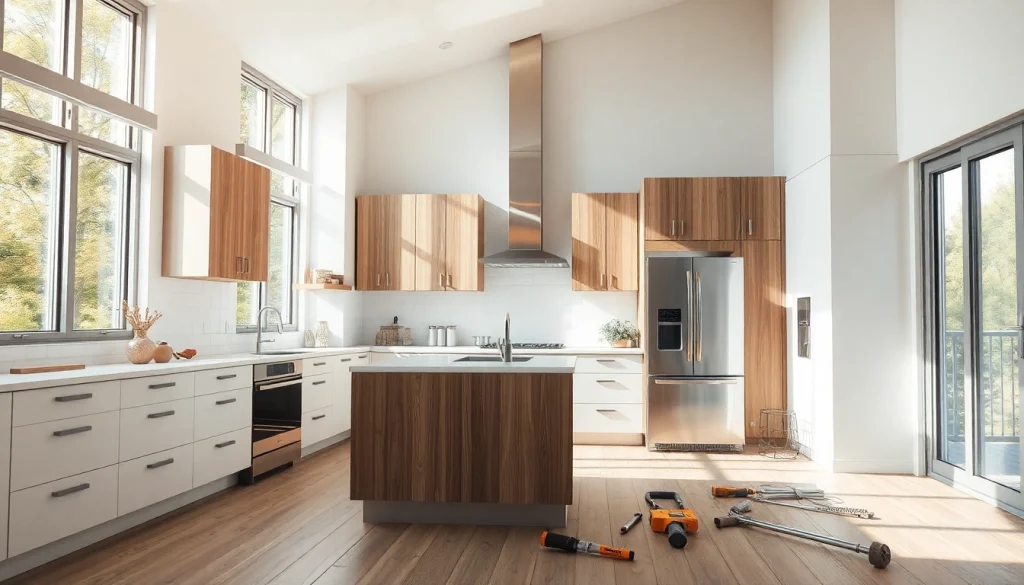
Understanding Home Renovation Basics
In today’s real estate market, home renovation has become a popular choice for homeowners looking to upgrade their living spaces, adapt to changing family dynamics, or simply breathe new life into their homes. Whether you are contemplating a minor facelift or a significant overhaul, understanding the fundamentals of Home renovation is essential. This guide will walk you through the basics, planning stages, execution, and even post-renovation considerations, equipping you with the information necessary to succeed in your home improvement journey.
What is Home Renovation?
Home renovation refers to the process of improving an existing structure. It can encompass anything from simple cosmetic upgrades, such as painting or redoing floors, to extensive remodeling projects that involve structural changes, like adding new rooms or completely redesigning living spaces. The primary goal of renovation is to enhance the functionality, aesthetics, and overall value of a home.
Types of Home Renovations
Home renovations can be categorized into several types, each serving different purposes:
- Cosmetic Renovations: These involve surface-level changes, like painting walls, replacing fixtures, or landscaping. They are typically the most cost-effective.
- Structural Renovations: This includes alterations to the physical structure of a house, such as removing walls, adding new rooms, or reinforcing foundations.
- Functional Renovations: Changes aimed at improving usability, like upgrading kitchens or bathrooms, which can also include modernizing electrical or plumbing systems.
- Energy-Efficiency Upgrades: These renovations focus on saving energy and improving sustainability, such as installing solar panels, better insulation, or energy-efficient windows.
Key Benefits of Home Renovation
Engaging in home renovation offers numerous benefits, including:
- Increased Property Value: Renovations can significantly enhance the market value of your home, making it more attractive to potential buyers.
- Enhanced Comfort: By tailoring renovations to fit your lifestyle, you can create a more comfortable and functional living environment.
- Energy Efficiency: Upgrading to modern fittings can lower energy costs and promote environmental sustainability.
- Personal Expression: Home renovations allow homeowners to express their individual styles and preferences through design choices.
Planning Your Home Renovation Project
Setting a Realistic Budget for Home Renovation
Financial planning is a crucial component of any successful renovation project. Setting a realistic budget involves understanding the costs associated with materials, labor, permits, and unexpected contingencies. Here are steps to help you establish your budget:
- Research Costs: Gather quotes for materials and labor from several sources.
- Consider Financing Options: Evaluate potential funding avenues, from savings to loans.
- Allocate Contingency Funds: Set aside an additional 10-20% of your budget for unforeseen expenses that may arise during the project.
Choosing the Right Design
Whether you are modernizing an old kitchen or adding a new room, selecting the right design is vital. Begin with these steps:
- Identify Your Needs: Assess what you need from each space, such as functionality, storage, and aesthetic preferences.
- Research Trends: Investigate current design trends and innovations by browsing platforms like design websites or magazines.
- Create a Vision Board: Collect images and ideas that resonate with you to provide a visual guide for the renovation process.
Creating a Project Timeline
A well-structured timeline ensures your renovation progresses smoothly. To create one:
- Define Phases: Break the project into phases, such as planning, demolition, construction, and finishing.
- Set Milestones: Assign specific start and end dates for each phase, taking into account potential delays and contractor schedules.
- Communicate with Stakeholders: Keep all parties informed (contractors, family members) about the timeline and any alterations that arise.
Hiring Professionals for Home Renovation
Finding Experienced Contractors
Finding the right professionals is essential for carrying out your renovation visions. Start by:
- Seeking Recommendations: Ask friends, family, or neighbors for referrals to reputable contractors.
- Checking Credentials: Research candidates’ qualifications, licenses, and insurance to ensure they meet industry standards.
- Reading Reviews: Look for online reviews and testimonials to gauge the contractor’s reputation and past work quality.
Questions to Ask Before Hiring
Before selecting a contractor, it’s important to interview them thoroughly. Consider asking the following:
- How long have you been in business?
- Can you provide references from previous clients?
- What is the estimated timeline and cost of the project?
- How will you handle unforeseen circumstances or changes in the project scope?
Establishing Clear Communication
Effective communication prevents misunderstandings and ensures that the renovation proceeds according to your expectations. Establish a communication plan by:
- Setting Up Regular Check-Ins: Schedule weekly or bi-weekly updates with your contractor to discuss progress.
- Using Project Management Tools: Consider using tools that facilitate tracking milestones, resources, and tasks for clearer oversight.
- Documenting Everything: Keep records of conversations, decisions, and changes to avoid confusion later in the project.
Executing the Home Renovation
What to Expect During Renovation?
Understanding the renovation process can help manage your expectations. Typically, you can expect the following stages:
- Preparation: This includes obtaining permits, securing insurance, and organizing logistics.
- Demolition: Contractors will begin removing old fixtures and structures, often creating noise and disruption.
- Construction: This phase involves building new structures, installing new systems, and other significant alterations.
- Finishing Touches: After the major work is done, final detailing and clean-up will occur.
Managing Disruptions and Expectations
Renovations can be chaotic, affecting your daily life and routines. Here are ways to manage disruptions:
- Prepare a Temporary Living Space: If renovations are extensive, consider making alternative living arrangements.
- Maintain Flexibility: Be ready for schedules to shift and be adaptable to changes in the project.
- Set Realistic Expectations: Understand that unexpected delays and challenges can arise and plan for them.
Staying On-Schedule and On-Budget
To ensure your project aligns with its initial budget and timeline, consider these tips:
- Monitor Progress Closely: Regularly assess the timeline to stay on track; address issues promptly.
- Stick to Your Plans: Avoid veering away from your original design choices unless necessary to minimize costs.
- Maintain Open Lines of Communication: Engage in constant dialogue with your contractor to promptly address discrepancies.
Post-Renovation Considerations
Evaluating the Success of Your Home Renovation
Post-renovation evaluation is key to understanding the success of your project. Consider the following criteria:
- Functionality: Does the renovated space meet your intended needs and purposes?
- Aesthetic Appeal: Are you satisfied with the look and feel of your home post-renovation?
- Budget Adherence: Did you stay within your budget, and was the investment worthwhile?
Maintaining Your Newly Renovated Space
To keep your renovated space looking its best and functioning well, you should:
- Establish a Maintenance Schedule: Regularly conduct maintenance checks for plumbing, electrical systems, and appliances.
- Implement Proper Cleaning Regimes: Use appropriate cleaning methods for all surfaces and materials.
- Make Adjustments as Needed: Be open to modifying layouts or designs as your needs evolve over time.
Increasing Property Value Through Smart Renovations
Last but not least, strategic renovations can significantly increase your property value. Focus on areas that yield high returns, such as:
- Kitchen and Bathroom Remodels: Upgrading these high-traffic areas typically offers great returns.
- Adding Energy-Efficient Features: These upgrades are increasingly appealing to environmentally conscious buyers.
- Curb Appeal Improvements: Enhancements to landscaping or exterior siding can make a strong first impression.