
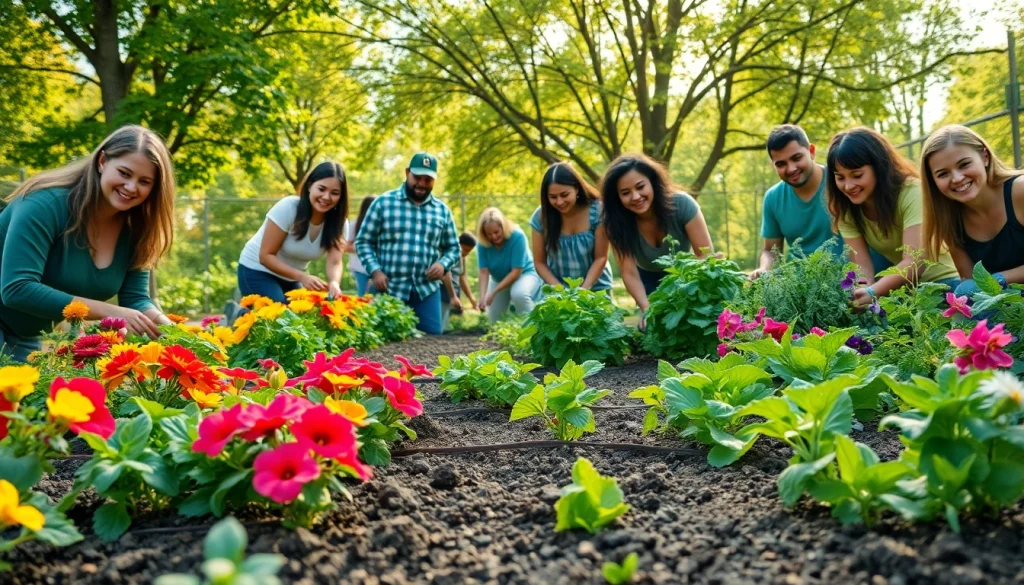
Understanding the Basics of Gardening
Gardening is an enriching and fulfilling practice that not only beautifies our surroundings but also offers a sustainable source of food. Whether you’re cultivating flowers, vegetables, or herbs, having a solid grasp of Gardening basics is essential for creating a thriving garden. This section aims to introduce essential terminology, tools, and guidance for selecting the right plants for your specific environment.
Gardening Terminology Everyone Should Know
Before diving into gardening, it’s crucial to familiarize yourself with some common terminology used in the field:
- Annuals: Plants that complete their life cycle within one growing season.
- Perennials: Plants that live for multiple seasons, coming back year after year.
- Hardiness Zone: A geographical area defined by climate, particularly winter temperatures, which can impact plant survival.
- Companion Planting: The practice of planting different crops in proximity for mutual benefit.
- Mulching: Applying a protective layer of material on top of the soil to conserve moisture, suppress weeds, and improve soil health.
Essential Tools for Successful Gardening
Equipping yourself with the right gardening tools can significantly enhance your gardening experience. Key tools include:
- Hand Trowel: For digging, planting, and moving soil.
- Pruning Shears: Essential for trimming plants and keeping them healthy.
- Garden Fork: Useful for turning and aerating soil.
- Watering Can: Helpful for controlled watering, especially for delicate seedlings.
- Gloves: Protect your hands from injury and irritants while gardening.
Choosing the Right Plants for Your Garden
Selecting the right plants is critical to the success of your garden. Consider the following factors:
- Climate: Choose plants suited to your USDA hardiness zone.
- Sunlight: Assess how much sun your garden receives daily (full sun, partial shade, or full shade).
- Soil Type: Understand whether your soil is sandy, clay, or loamy, as each plant requires different soil conditions.
- Maintenance Level: Evaluate how much time you can commit to your garden, selecting plants that match your maintenance capacity.
Soil Preparation for Gardening Success
Soil preparation is a foundational step in creating a productive garden. Healthy soil is fundamental to supporting plant life, influencing their growth and productivity.
Testing Soil Health and Quality
Understanding your soil’s health begins with testing its quality. Numerous kits and services can evaluate:
- pH Level: Most plants prefer a pH between 6.0 and 7.0. Adjusting soil pH can enhance nutrient availability.
- Nutrient Composition: Analyze the levels of essential nutrients like nitrogen, phosphorus, and potassium.
- Soil Texture: Determine the proportions of sand, silt, and clay to understand water and nutrient retention.
Enhancing Soil with Organic Amendments
Improving soil quality can sometimes necessitate adding organic amendments. Here are some effective ways to enhance soil:
- Compost: Add well-rotted organic matter to improve soil structure and nutrient content.
- Manure: Use animal manure but make sure it is well composted to eliminate pathogens and weed seeds.
- Cover Crops: Plant crops that can improve soil fertility when grown and then tilled back into the soil.
- Mulches: Apply organic mulches like straw or wood chips to retain moisture and suppress weed growth.
Creating the Perfect Planting Bed
Preparing your planting beds is a critical aspect of gardening. Follow these steps to create optimal conditions:
- Clear the Area: Remove weeds, stones, and debris from your planting site.
- Turn the Soil: Use a garden fork or tiller to aerate the soil to a depth of at least 12 inches.
- Level the Bed: Create a level surface to enhance drainage and plant layout.
- Shape the Rows: If planting in rows, establish clear pathways and maintain rows for easy access.
Mastering Watering Techniques in Gardening
Effective watering is essential to maintaining plant health. Over or under-watering can harm plants considerably.
Understanding Watering Needs of Different Plants
Each plant has unique watering requirements. Consider the following:
- Drought-Resistant Plants: Plants such as succulents and lavender require less frequent watering.
- Moisture-Loving Plants: Vegetables like lettuce and spinach thrive in consistently moist soils.
- Seasonal Changes: Adjust your watering frequency based on seasonal climate variations and plant growth stages.
Effective Irrigation Methods
Choose an irrigation method that matches your garden’s size, plant type, and water availability:
- Drip Irrigation: Provides targeted watering directly to plant roots, conserving water and reducing disease risk.
- Soaker Hoses: These permeable hoses slowly deliver water to the soil, ideal for large beds.
- Sprinklers: Suitable for vast areas, but ensure coverage is even to avoid over-saturation in some parts.
Tips for Water Conservation in Gardens
Conserving water in your garden not only reduces costs but is also beneficial for the environment. Here are some strategies:
- Collect Rainwater: Set up barrels to capture rainwater for supplemental irrigation.
- Mulch: As mentioned earlier, applying mulch around plants minimizes evaporation.
- Watering Early or Late: Avoid watering during peak sun hours to minimize evaporation.
- Group Plants: Arrange plants with similar water needs together to optimize watering strategies.
Pest and Disease Management in Gardening
Healthy gardens can still face challenges from pests and diseases. Vigilance and preventive measures are essential for a thriving garden.
Identifying Common Garden Pests
Recognizing pests early can prevent significant damage. Some common pests to look out for include:
- Aphids: Small insects that suck sap from plants, often causing leaf curling.
- Snails and Slugs: They can be particularly destructive at night, leaving a silvery trail in their wake.
- Caterpillars: Larvae of moths and butterflies can munch through leaves rapidly.
- Whiteflies: Tiny flying insects that can weaken plants by feeding on them.
Organic Pest Control Solutions
Utilizing organic methods for pest control can protect beneficial insects and the ecosystem. Some effective tactics include:
- Neem Oil: A natural pesticide that disrupts the life cycle of pests.
- Insecticidal Soap: Effective against soft-bodied insects like aphids and spider mites.
- Beneficial Insects: Encourage predatory insects like ladybugs to help control pest populations naturally.
Preventative Measures for Plant Health
Prevention is often the best strategy against pests and diseases. Implement the following practices:
- Crop Rotation: Change the location of your crops each year to prevent soil-borne diseases.
- Sanitation: Remove debris and dead plant material where pests can reside and reproduce.
- Plant Diversity: Grow a variety of plants to deter pests that target specific species.
Advanced Gardening Techniques for Experienced Gardeners
For those who have mastered the basics, advanced techniques can enhance your gardening success by promoting sustainability and biodiversity.
Exploring Companion Planting Strategies
Companion planting involves pairing plants that can benefit each other. Some successful combinations include:
- Tomatoes and Basil: Basil enhances tomato flavor and repels pests.
- Carrots and Onions: Their scents confuse pests that target either plant.
- Beans and Corn: Beans fix nitrogen in the soil, benefiting corn as it grows tall.
Implementing Permaculture Principles
Permaculture is a holistic design philosophy that promotes sustainable gardening practices. Key principles include:
- Observe and Interact: Understand your ecosystem to make informed decisions.
- Use Renewable Resources: Maximize natural systems for energy and soil fertility.
- Design for Diversity: Cultivate a variety of plants to build resilience against pests and diseases.
Seasonal Gardening: What to Plant and When
Understanding seasonal cycles is essential for maximizing your garden’s output. Refer to the following seasonal guidelines:
- Spring: Ideal for cool-weather crops such as peas, lettuce, and radishes.
- Summer: Plant warm-weather crops like tomatoes, peppers, and squash.
- Fall: Consider planting garlic or cover crops to enrich the soil for winter.
- Winter: Utilize this time to plan for the spring or consider indoor gardening.
In conclusion, successful gardening is a blend of knowledge, practice, and ongoing learning. By mastering the essentials outlined in this article, and through diligent observation and care, anyone can thrive in their gardening efforts. With patience and dedication, your garden can become a beautiful and productive extension of your home.