Unveiling the Secrets of a Successful Clothing Store
Understanding the Clothing Store Landscape
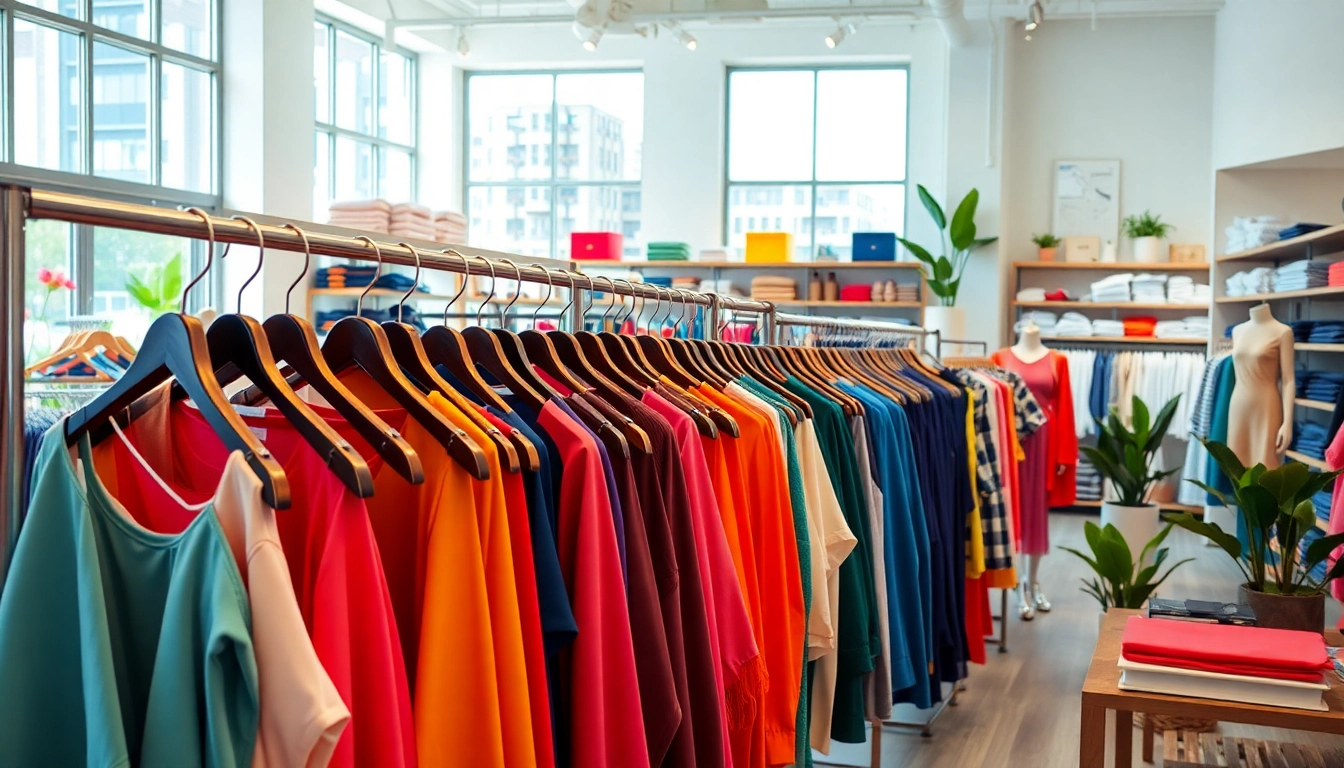
The clothing retail industry is a dynamic and diverse sector that caters to various consumer preferences and demands. It serves as a significant part of the global economy and reflects cultural trends, technological advances, and changing consumer behaviors. For entrepreneurs looking to break into this field, understanding the various facets of the clothing store landscape is essential. From recognizing market trends to determining your target audience, each element plays a crucial role in the success of your Clothing store.
Market Trends Influencing Clothing Stores
Market trends are shaped by a myriad of factors, including economic conditions, social changes, and technological advancements. One prominent trend is the shift towards sustainability, as consumers become more conscious of the environmental impact of their purchasing decisions. Many clothing stores are now focusing on ethical sourcing and eco-friendly materials to attract environmentally conscious customers.
Additionally, the rise of online shopping has transformed the clothing retail landscape. E-commerce sales have surged, compelling physical stores to adapt by integrating online channels into their business strategies. The ability for customers to browse and purchase products from the comfort of their homes has changed how stores operate, pushing them towards enhancing their online presence.
Identifying Your Target Audience
Understanding your target audience is crucial for effective marketing and product selection. Conducting market research can help identify demographic factors such as age, gender, income, and purchasing habits. Additionally, psychographic analysis—understanding customers’ lifestyles, values, and preferences—can provide deeper insights into what motivates their shopping decisions.
Creating customer personas based on this data allows you to tailor marketing strategies and product offerings to meet the specific needs and preferences of your target audience. By focusing on a well-defined demographic, stores can deliver a more personalized shopping experience, ultimately fostering customer loyalty and enhancing sales.
Analyzing Competitor Strategies
Identifying competitors and analyzing their strategies is essential for positioning your clothing store within the market. This involves reviewing their product ranges, pricing strategies, marketing techniques, and overall customer experience. By observing industry leaders, you can glean valuable insights into what works and areas where you might differentiate.
Competitor analysis can also reveal market gaps that your store could fill. For example, if many competitors focus on high-end fashion, tapping into a niche for affordable fitness apparel may attract customers seeking budget-friendly options. Understanding the competition helps you define your value proposition and develop strategies that set your store apart in the crowded marketplace.
Building a Unique Brand for Your Clothing Store
A strong brand identity is essential for any clothing store aiming to stand out in a competitive environment. Your brand not only represents your products but also conveys your store’s values, mission, and personality. A unique and memorable brand fosters recognition and loyalty among customers.
Crafting a Memorable Brand Identity
Creating a memorable brand identity requires a blend of visual and emotional elements. Start with your store name, logo, and color scheme—these should reflect your brand’s target demographic and overall ethos. For example, a youth-oriented clothing store might adopt bright colors and trendy designs, while a boutique catering to a professional audience might opt for a more minimalist aesthetic.
Moreover, consistency across all branding touchpoints—such as packaging, website design, and in-store displays—reinforces your identity and helps customers recognize your brand easily. Effective storytelling can also enhance your brand connections, as sharing the inspiration behind your collections or the values your store upholds can resonate with customers on a personal level.
Effective Branding Strategies
Your branding strategy should aim to enhance visibility, engagement, and conversion rates. Effective strategies may include leveraging social media platforms to showcase your clothing designs and promote customer interaction. Developing collaborations with local artists or influencers can also expand your brand reach while creating authentic connections with a wider audience.
Additionally, consider participating in community events or sponsoring local initiatives to elevate your store’s profile within the community. These efforts build brand goodwill and ensure that your store remains top-of-mind for consumers in your area, enhancing brand loyalty.
Establishing Emotional Connections with Customers
Establishing an emotional connection with customers is vital for fostering brand loyalty. Customers are more likely to return to a store that resonates with their values and beliefs. This can involve aligning your brand messaging with social causes or community issues that matter to your target demographic.
Engaging storytelling is another powerful tool. Sharing customer testimonials, success stories of individuals who have benefited from your products, or experiences that highlight the advantages of your clothing can create a deeper bond with your audience. Furthermore, personalized marketing tactics, like customized recommendations based on past purchases, can help tailor the shopping experience and foster loyalty.
Enhancing User Experience in Your Clothing Store
Creating a seamless and enjoyable user experience is fundamental to the success of any clothing store. From store layout design to customer service, every aspect of the shopping journey impacts consumer perceptions and purchasing decisions.
Store Layout and Design Best Practices
The physical layout and design of your store can significantly enhance the shopping experience. A well-organized store should facilitate easy navigation while showcasing products effectively. Consider using strategic placement of items; key merchandise can be placed at eye level, while impulse buys can be situated near the checkout to encourage additional purchases.
Moreover, the ambiance of the store—lighting, music, and overall aesthetic—should reflect your brand identity and create a welcoming atmosphere. Optimal store design can lead to increased dwell time, often resulting in higher sales conversion rates.
Creating a Seamless Omnichannel Experience
In today’s fast-paced retail environment, a seamless omnichannel experience is vital. Customers expect to engage with your clothing store through various channels—be it in-store, online, or mobile. Integrating these touchpoints ensures consistent messaging and an overall cohesive experience.
Implementing features such as click-and-collect services, where customers can purchase items online and pick them up in-store, caters to the needs of today’s consumer. Additionally, ensuring that inventory levels are updated across all platforms in real-time can prevent frustration and enhance customer satisfaction.
Leveraging Customer Feedback for Improvement
Customer feedback is an invaluable resource for enhancing store offerings and improving the shopping experience. Regularly solicit feedback through surveys, reviews, and direct conversations. Effective use of customer insights can identify pain points in the shopping journey, allowing you to make informed decisions on product ranges, service improvements, or store modifications.
This not only shows customers that their opinions are valued but also aids in building trust. When consumers see that their feedback leads to real changes, it fosters loyalty and encourages repeat visits.
Marketing Tactics for Your Clothing Store
Effective marketing tactics are crucial for attracting customers to your clothing store and retaining their loyalty. A multifaceted approach that leverages both digital and traditional marketing channels can yield the best results.
Effective Social Media Engagement
Social media platforms are powerful tools for modern marketing efforts. Engaging with potential customers through platforms like Instagram, Facebook, and Pinterest can help boost brand awareness and drive traffic to your store. Use visually appealing imagery and engaging content to showcase your products, while also encouraging customer interaction through comments and shares.
Running social media campaigns, such as contests or giveaways, can also enhance engagement levels and expand your reach. Consider collaborating with brand ambassadors or local influencers to tap into existing followers and lend credibility to your brand.
Utilizing Influencer Collaborations
Influencer marketing has emerged as a significant trend in retail. Partnering with individuals who have a strong following in your niche can amplify your brand message while also introducing your clothing store to a larger audience. Select influencers whose style aligns with your brand ethos to maintain authenticity.
Influencer collaborations can take many forms, including sponsored content, product reviews, or styling sessions. These partnerships help humanize your brand and create relatable content that resonates with potential customers.
Crafting Dynamic In-Store Promotions
In-store promotions remain an effective way to attract customers and drive sales. Consider running seasonal sales, limited-time offers, or holiday-themed events that create a sense of urgency and excitement around your products. Implementing loyalty programs can also incentivize repeat purchases by rewarding customers for their loyalty.
Promotions could be tied to social causes, engaging customers in charitable efforts that align with your brand values. This can enhance customer loyalty and community engagement while promoting larger initiatives beyond mere sales.
Measuring Success in Your Clothing Store
Understanding the effectiveness of your branding, marketing strategies, and user experience is crucial for continuous improvement and growth. This entails establishing key performance indicators (KPIs) and utilizing data analytics to measure success.
Key Performance Indicators to Monitor
To gauge the success of your clothing store, focus on relevant KPIs such as sales revenue, customer acquisition costs, and customer retention rates. Monitoring these indicators will help you understand areas of strength and identify opportunities for improvement. Additionally, assessing foot traffic in-store and website visit trends can provide insights into customer engagement.
Sales per square foot is another critical measure for physical stores, while conversion rates can help evaluate the effectiveness of your online store. By regularly reviewing these metrics, you can make data-driven adjustments to strategic plans.
Utilizing Data Analytics for Growth
Data analytics enables you to gain insights into purchasing behaviors and market trends. Implement advanced analytics tools to capture and analyze customer data, revealing patterns that inform your business strategies. For instance, identifying which products are top sellers or which demographics are driving sales can assist in inventory management and marketing focus.
By leveraging data insights, you can identify trends, test new clothing lines, optimize pricing strategies, and ultimately drive growth. This proactive approach allows for timely identification of changes in consumer behavior and market shifts.
Adapting Strategies Based on Performance Metrics
Flexibility is key in the fast-paced world of retail. Using performance metrics as a guide, adapt your strategies to respond to market changes and consumer preferences. Regularly reviewing your marketing campaigns, inventory levels, and customer feedback allows for agile decision-making.
For example, if certain clothing lines are underperforming, consider exploring feedback from your customer base, adjusting trends in stock, or testing new marketing approaches. Adapting based on performance metrics ensures your store remains relevant and competitive.