
The Comprehensive Guide to Structural Steel Fabrication Processes and Techniques
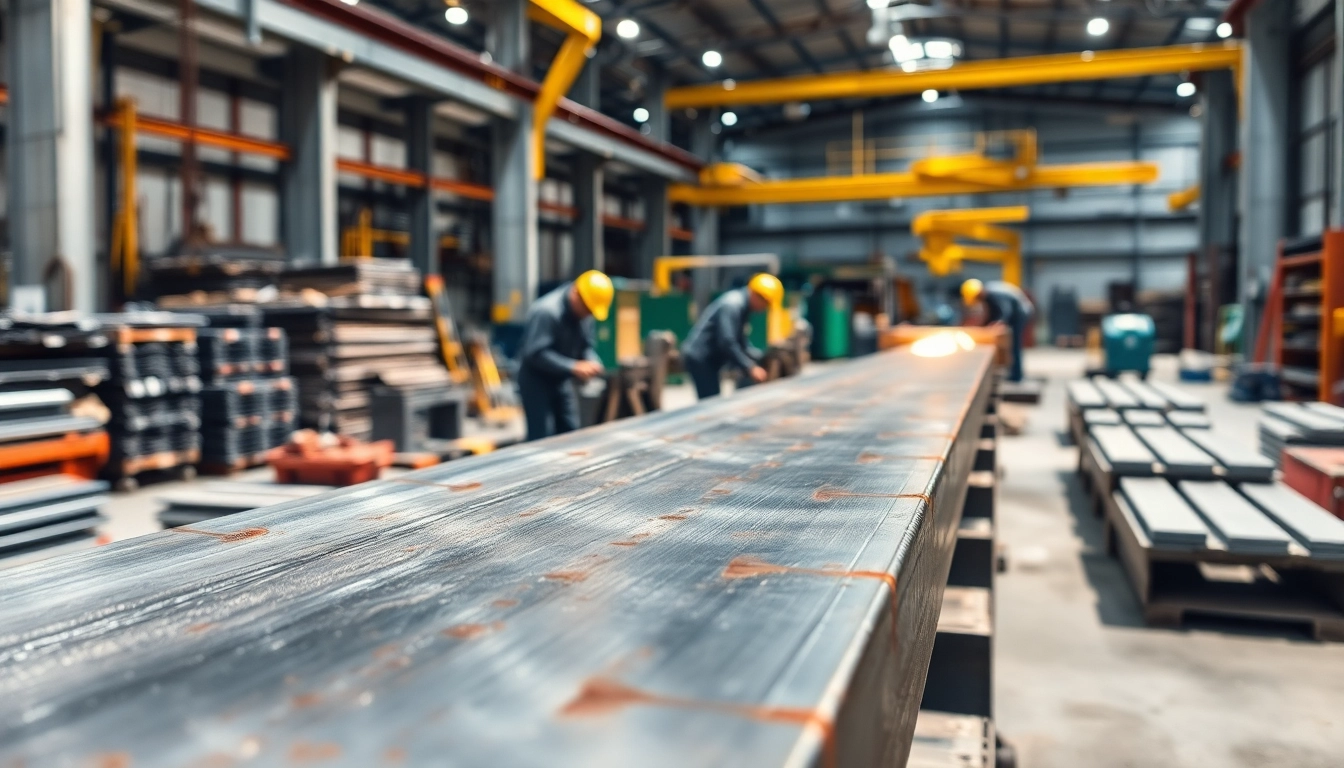
Understanding Structural Steel Fabrication
Definition and Importance of Structural Steel Fabrication
Structural steel fabrication is a critical process in the construction and manufacturing industries, involving the preparation, alteration, and assembly of steel components to precise specifications. This process is essential for creating structures that are safe, reliable, and capable of bearing significant loads. Without effective structural steel fabrication, the stability and integrity of buildings, bridges, and industrial facilities would be compromised. The importance of this process cannot be overstated, as it directly influences not just the functionality, but the durability and lifespan of the structures it serves.
Key Components of the Structural Steel Fabrication Process
The structural steel fabrication process typically encompasses several key components:
- Cutting: This involves slicing steel using various methods such as shearing, sawing, and plasma cutting. This step is crucial as it defines the initial dimensions of the components.
- Bending: After cutting, the steel pieces are often bent to create the desired shape. This is accomplished using hydraulic press brakes or rolling machines.
- Welding: Once shaped, components are joined using welding techniques to create the necessary structural integrity. Different welding methods can be employed, including MIG, TIG, and arc welding.
- Finishing: After assembly, finishing treatments such as galvanizing, painting, or powder coating may be applied to protect the steel from corrosion and enhance aesthetic appeal.
Common Applications of Structural Steel Fabrication
Structural steel fabrication finds applications in a plethora of projects across various industries:
- Commercial Construction: Skyscrapers and office buildings heavily rely on structural steel for their frameworks.
- Industrial Facilities: Factories and warehouses utilize steel for their structural support systems, enabling safe storage and operation.
- Bridges: Many modern bridges are constructed using fabricated steel, providing robust support for heavy traffic loads.
- Transportation Infrastructure: Railroads, airports, and other infrastructures benefit from the strength and flexibility of structural steel.
The Structural Steel Fabrication Process Explained
Step-by-Step Overview of Fabrication Techniques
The structural steel fabrication process can be divided into several systematic steps:
- Design Plans: Initial designs are created, often using computer-aided design (CAD) software to ensure precision.
- Material Selection: The appropriate grade and type of steel are selected based on project requirements, including load expectations and environmental factors.
- Cutting and Shaping: The steel is cut and shaped as per the design specifications.
- Assembly: Components are assembled according to the design, ensuring proper alignment and structural integrity.
- Inspection and Quality Control: Each fabricated piece undergoes rigorous inspection to meet safety and quality standards.
- Final Finishing: Finally, the pieces are coated or treated for durability and aesthetics.
Tools and Equipment Used in Structural Steel Fabrication
A variety of tools and equipment are integral to structural steel fabrication:
- Cutting Tools: Plasma cutters, band saws, and laser cutters are utilized to achieve precise cuts.
- Bending Machines: Hydraulic press brakes and plate rollers shape steel according to specifications.
- Welding Equipment: Different types of welders (MIG, TIG, stick) are used based on the required joint specifications.
- Measuring Tools: Levels, calipers, and laser measuring tools ensure accuracy in measurements and alignments.
Quality Control Measures in the Fabrication Process
Quality control is paramount in structural steel fabrication to ensure safety and compliance with regulations. Some effective quality control measures include:
- Regular Inspections: Performing regular checks during fabrication to ensure adherence to specifications.
- Testing Materials: Conducting tests on materials to confirm that they meet industry standards for strength and durability.
- Documentation: Keeping detailed records of the fabrication process, materials used, and inspections conducted helps maintain accountability.
Cost Factors in Structural Steel Fabrication
Analyzing Material Costs and Selection
The cost of materials is a significant factor in the overall expenses associated with structural steel fabrication. Selecting the right type of steel and grade is critical, as different materials come with varying price points. Factors influencing material costs include:
- Market Price: The fluctuating market prices for steel can impact the cost of raw materials.
- Material Specifications: Specific alloys and treatments required for a project can increase costs.
- Supplier Location: Proximity to suppliers may affect shipping costs and availability.
Labor Costs Associated with Structural Steel Fabrication
Labor costs are another significant component in structural steel fabrication. This includes wages for skilled labor necessary for cutting, welding, and assembling steel. Factors contributing to labor costs include:
- Skill Level: Higher skilled laborers often demand higher wages due to their expertise and the complexities involved in the fabrication process.
- Project Duration: The length of fabrication and installation processes can directly correlate to labor costs.
- Overtime Needs: Tight project deadlines may require overtime labor, increasing overall expenditures.
Understanding Erection Costs and Budgeting
Erection costs pertain to the expenses related to assembling fabricated steel on-site. This may involve cranes, scaffolding, and labor for installation. To effectively budget for erection costs, consider the following:
- Logistics Planning: Efficient planning for the placement of materials and equipment to minimize time and labor costs.
- Environmental Factors: Site conditions can impact equipment usage and labor efficiency, influencing overall costs.
- Insurance and Safety Regulations: Compliance with safety standards may add costs but is essential for risk management.
Best Practices for Effective Structural Steel Fabrication
Efficient Project Management Techniques
To streamline the structural steel fabrication process, effective project management techniques are essential. Best practices include:
- Clear Communication: Maintaining open lines of communication among all stakeholders ensures that everyone is aligned and aware of project goals and timelines.
- Utilizing Project Management Software: Tools like Gantt charts and scheduling software can enhance planning and tracking of project progress.
- Regular Meetings: Frequent team meetings can help identify issues early and promote collaborative problem-solving.
Safety Standards and Regulations in Steel Fabrication
Adhering to safety standards is not only regulatory but is critical for protecting workers and reducing liability. Key aspects include:
- OSHA Regulations: Ensuring compliance with Occupational Safety and Health Administration standards is essential for maintaining safe work conditions.
- Protective Equipment: Providing appropriate personal protective equipment (PPE) for workers minimizes injury risks.
- Training Programs: Conducting regular safety training for workers can instill a culture of safety and awareness.
Environmental Considerations in Steel Fabrication
Environmental considerations in structural steel fabrication are becoming increasingly important. Companies must be aware of their ecological impact and seek ways to mitigate it. Best practices include:
- Waste Management: Reducing, reusing, and recycling materials whenever possible to minimize waste generation.
- Energy Efficiency: Implementing energy-efficient processes and machinery can help reduce overall environmental footprints.
- Compliance with Environmental Regulations: Following local and national guidelines ensures that fabrication processes do not harm the environment.
Future Trends in Structural Steel Fabrication
Emerging Technologies Impacting Steel Fabrication
The field of structural steel fabrication is continuously evolving, with emerging technologies transforming traditional practices. Trends include:
- 3D Printing: This innovative technology is starting to be applied to create complex parts and components with reduced material waste.
- Automation: Automated machinery for cutting and welding is increasing productivity and precision in fabrication processes.
- Building Information Modeling (BIM): BIM allows for detailed visualization of projects before fabrication begins, facilitating better planning and execution.
Innovative Materials in Structural Steel Fabrication
As the demand for sustainable practices grows, the use of innovative materials in structural steel fabrication is on the rise. Some notable developments include:
- High-Strength Steels: These materials offer more strength with less weight, allowing for lighter, more sustainable structures.
- Corrosion-Resistant Alloys: Using alloys that resist corrosion enhances the longevity and durability of fabricated elements.
- Recycled Steel: The use of recycled materials promotes sustainability and reduces reliance on virgin steel production.
The Role of Sustainability in Future Fabrication Practices
The integrated approach of sustainability in structural steel fabrication will be pivotal in shaping future practices. Key areas of focus include:
- Carbon Footprint Reduction: Companies are increasingly adopting measures to reduce their carbon output during the fabrication process.
- Green Certifications: Achieving certifications like LEED can help organizations demonstrate their commitment to sustainable practices.
- Life Cycle Assessment: Integrating life cycle assessments during the design phase can provide insights into the environmental impact of materials used.