
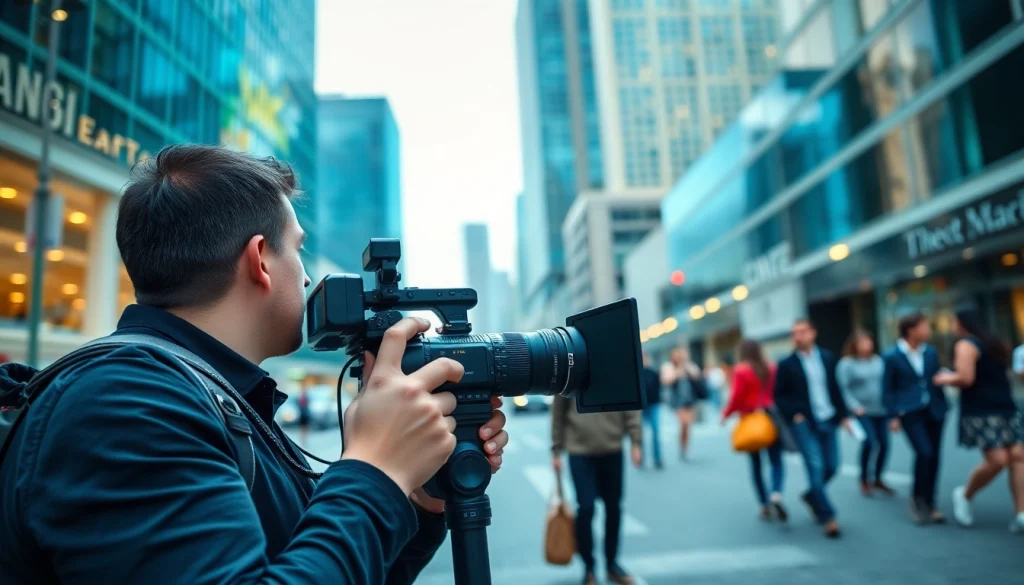
The Role of a Videographer in Modern Media
In today’s fast-paced digital world, the demand for visual content is higher than ever. From promotional videos that elevate brands to intimate wedding films that encapsulate treasured moments, the role of a Videographer has evolved into a crucial element of modern storytelling. This article explores the diverse functions of videographers, the core skills required, and their impact on various sectors of media.
Understanding Videography Basics
Videography encompasses the art and technique of capturing moving images on electronic media, often complemented by audio. Because it blends various disciplines, including cinematography, editing, and sound design, videography is a multifaceted field that requires a solid understanding of both technical and creative elements. To create compelling content, one must first learn about frame rates, lighting setups, shot composition, and post-production techniques.
Key Skills of a Professional Videographer
A skilled videographer must possess an array of talents that go beyond mere camera handling. Some of the essential skills include:
- Cinematography: The ability to choose the right angles, lenses, and lighting to create visually stunning footage.
- Editing: Proficiency in software such as Adobe Premiere Pro or Final Cut Pro to piece together footage and create a cohesive narrative.
- Sound Design: Understanding audio capture and mixing to enhance the storytelling aspect of the video.
- Project Management: Skills to coordinate with clients, managing timelines and budgets effectively.
The Importance of Storytelling in Videography
At the heart of videography lies storytelling. A good videographer doesn’t just capture events; they craft narratives that resonate with audiences. This requires an understanding of pacing, emotional beats, and how to evoke responses from viewers.
For instance, a wedding videographer may focus on emotional moments such as vows or the first dance, weaving these elements into a larger narrative that reflects the couple’s journey. Similarly, in corporate videos, storytelling can transform a simple promotional clip into an engaging tale that highlights a company’s values and vision.
Choosing the Right Videographer for Your Project
With countless videographers available today, selecting the right one for your project can be daunting. Here’s how to navigate that decision-making process effectively.
Identifying Your Project Needs
Before beginning the search for a videographer, consider the specifics of your project. Ask yourself:
- What is the primary purpose of the video? Is it promotional, educational, or purely entertainment?
- What style or tone do you envision? Should it be cinematic, documentary-style, or perhaps something more experimental?
- What is your budget, and are you willing to compromise on any specific elements?
How to Evaluate a Videographer’s Portfolio
Reviewing a videographer’s portfolio is crucial to understanding their style and capabilities. Look for the following aspects:
- Diversity of Work: A versatile videographer should have examples across genres, including weddings, corporate videos, events, and more.
- Quality of Production: Pay attention to the technical aspects—sharpness, color grading, and sound quality all contribute to a video’s experience.
- Storytelling Ability: Analyze how they construct narratives. Good videographers weave emotion into their work, creating memorable experiences.
Factors to Consider in Hiring a Videographer
Once you have shortlisted potential candidates, consider these additional factors:
- Experience: Opt for a videographer with experience relevant to your project type. A seasoned pro will know how to handle unexpected circumstances and execute your vision effectively.
- Communication: Ensure they understand your goals and can articulate their approach clearly. Good communication fosters collaboration and ensures expectations are met.
- Budget and Packages: Ask about their rates and what those rates include—travel, editing, additional crew members, etc.
Essential Equipment Every Videographer Should Have
High-quality videography requires more than capabilities; it also demands the right tools. Here are essential equipment considerations for any videographer.
Must-Have Cameras for Videographers
The foundation of any videographer’s toolkit is a reliable camera. Depending on the project, a videographer may choose from:
- DSLR Cameras: Popular for their versatility and high image quality.
- Mirrorless Cameras: Often lighter and more compact with similar, if not better, performance in video.
- Camcorders: Specifically designed for video recording, they provide intuitive controls for videographers.
Audio and Lighting Gear for Quality Production
A great video is not just about visuals; audio is equally important. Essential gear includes:
- Microphones: Invest in Lavalier or shotgun mics for clear audio capture.
- Lighting Kits: On-location lighting can drastically improve your footage quality, so portable LED lights should be part of any videographer’s arsenal.
Software Tools for Videographers and Editors
Editing is where the magic happens, and having the right software can make a huge difference in final output quality. Essential tools include:
- Editing Software: Programs like Adobe Premiere Pro, Final Cut Pro, or DaVinci Resolve are industry standards.
- Color Grading Tools: Enhancing visual appeal with tools that modify color hues and tones can elevate the audience’s viewing experience.
- Sound Editing Software: Options like Audacity or Adobe Audition help refine audio quality in post-production.
Videography Techniques That Captivate Audiences
Understanding advanced techniques in videography is key to captivating audiences and ensuring that your content stands out. The following techniques can elevate your videography work.
Effective Framing and Composition Strategies
The way a shot is composed can drastically affect how an audience responds. Techniques include:
- Rule of Thirds: Dividing your frame into thirds and placing points of interest accordingly can enhance visual interest.
- Leading Lines: Utilize natural lines within scenes to draw the viewer’s eye toward the focal point.
- Depth of Field: Manipulating focus can separate your subject from a busy background, highlighting what matters.
Using Angles and Perspectives Creatively
Experimenting with angles can create more immersive experiences. Whether using low angles to convey power, high angles to imply vulnerability, or dynamic moving shots to introduce energy, the right camera angle can transform the narrative.
The Art of Editing: Making Footage Shine
Editing techniques such as pacing, transitions, and rhythm in cuts can significantly impact storytelling. Effective edits lead the viewer through the narrative seamlessly, ensuring a compelling journey from start to finish.
Trends in Videography to Watch
As technology advances, so do the trends within videography. Recognizing and adapting to these trends can give videographers an edge in their craft.
Embracing Technology: Drones and 360 Video
The emergence of drones has allowed videographers to capture stunning aerial shots that were once impossible at such a low cost. Similarly, 360-degree videos have created new avenues for storytelling, providing immersive experiences for viewers.
Social Media and Its Impact on Videography
With the rise of platforms like Instagram, TikTok, and YouTube, videographers must create content that is not only high quality but also tailored for quick consumption. Short-form content is gaining traction, calling for smart, engaging storytelling that captures attention quickly.
Future Predictions for the Videography Industry
As artificial intelligence and machine learning continue to advance, tools for automation in editing and post-production will likely become more prevalent. Additionally, personalized video content will see a considerable rise, pushing the boundaries of conventional narratives to create bespoke viewer experiences.