
Why Artisans Choose Mimosa Hostilis Root Bark for Fabric Coloring
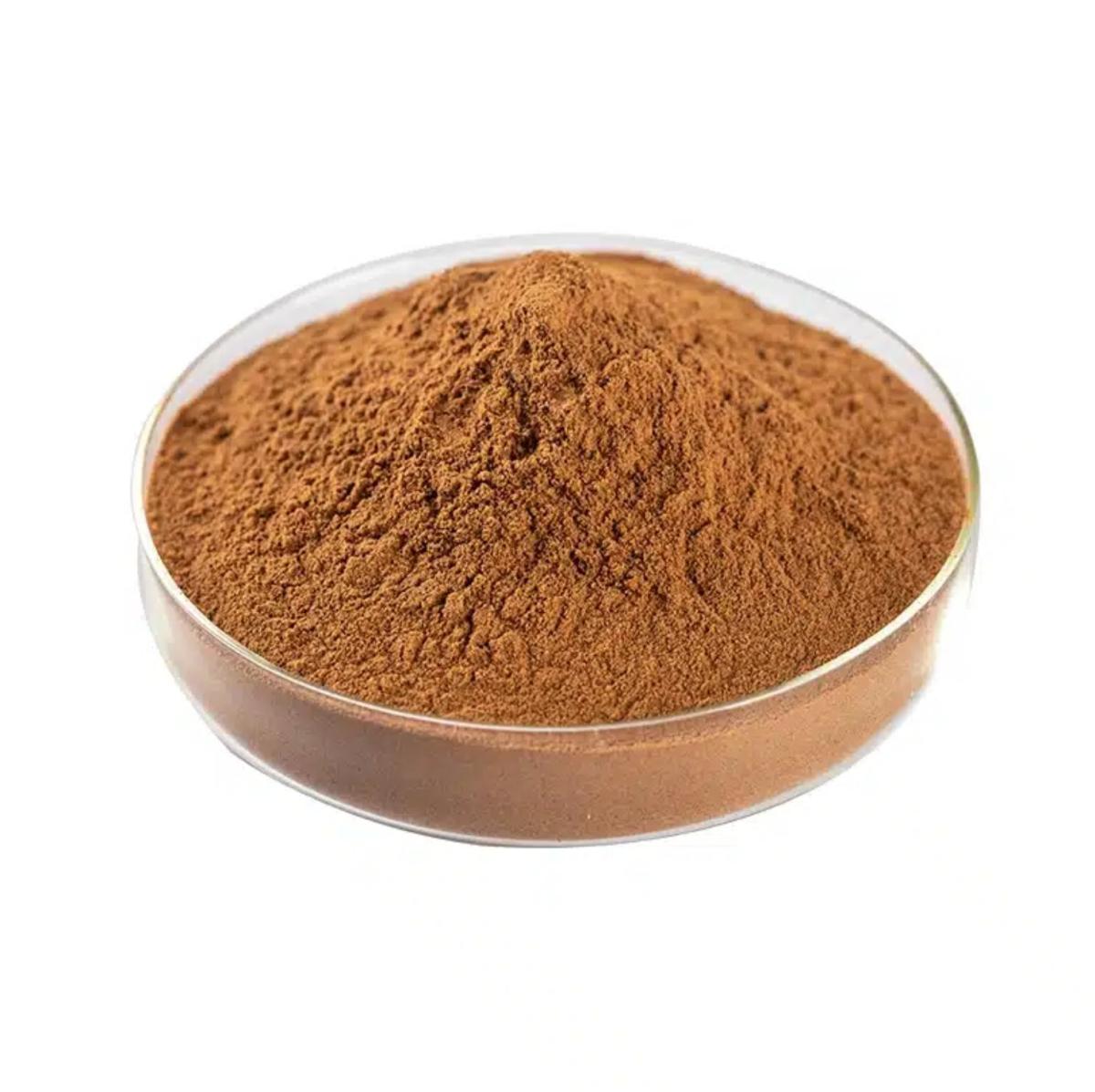
Natural dyeing has experienced a remarkable resurgence as artisans seek environmentally conscious, richly pigmented, and long-lasting alternatives to synthetic dyes. Among the most respected botanical materials in this movement is Mimosa hostilis root bark. Known for its versatility, strong tannin content, and impressive depth of color, Mimosa hostilis root bark has become a preferred choice for textile artists around the world. Whether used for wool, cotton, silk, or handcrafted yarns, this plant-based dye source delivers consistent and beautiful results. Understanding why artisans value Mimosa hostilis root bark can help you discover its place in your own dyeing practice.
- A Natural Dye Source with Exceptional Pigment Strength
- Versatility Across Different Fibers
- User-Friendly Dyeing Process
- Eco-Friendly and Sustainable Dyeing
- Stunning Visual Effects and Specialty Techniques
- Durability and Longevity Make It a Professional Favorite
- Troubleshooting for Best Results
- Conclusion
A Natural Dye Source with Exceptional Pigment Strength
Rich, Deep, and Saturated Hues
One of the main reasons artisans choose Mimosa hostilis root bark is its ability to produce incredibly rich tones. Depending on the fiber and mordant, it can create reds, purples, maroons, browns, and near-black shades. This pigment strength means Mimosa hostilis root bark requires smaller quantities to achieve bold color compared to many other natural dyes.
High Tannin Content
The bark naturally contains potent tannins, which improve colorfastness and help the dye bind strongly to fibers. Because of this, Mimosa hostilis root bark is especially effective when coloring cotton and other plant-based textiles that often need added tannins. The built-in tannins create better adherence and longer-lasting results without excessive mordanting.
Versatility Across Different Fibers
Works Beautifully with Protein and Plant Fibers
Artisans love Mimosa hostilis root bark because it can be used on a wide range of natural materials. Wool and silk quickly absorb its pigment, resulting in velvety, saturated colors. Plant fibers like cotton and linen also take the dye well, especially with light pre-mordanting. This versatility makes Mimosa hostilis root bark an excellent option for mixed-fiber projects.
Consistent and Predictable Results
Many natural dyes can be unpredictable, but Mimosa hostilis root bark is known for its reliability. When processed properly, it consistently yields strong, even tones without extensive experimentation. This makes it a favorite among professional artisans seeking repeatable outcomes for their collections.
User-Friendly Dyeing Process
Simple Preparation
Working with Mimosa hostilis root bark does not require complicated steps. Soaking and simmering the bark releases deep pigments that quickly infuse the dye bath. Many artisans appreciate that Mimosa hostilis root bark does not need chemical additives to create vibrant color.
Easy to Modify
Another benefit is how responsive the dye is to natural modifiers. Adding iron darkens shades, while adjusting mordants shifts tones toward brighter or deeper hues. Because of this adaptability, Mimosa hostilis root bark allows artisans to explore creative variations without adding synthetic chemicals.
Eco-Friendly and Sustainable Dyeing
Plant-Based and Biodegradable
More artisans are choosing environmentally responsible materials, and Mimosa hostilis root bark fits perfectly into eco-conscious dyeing. It is plant-derived, biodegradable, and requires minimal energy to process. Using Mimosa hostilis root bark greatly reduces the environmental footprint associated with textile coloration.
Sustainable Harvesting Options
When sourced from ethical suppliers, Mimosa hostilis root bark supports sustainable harvesting practices. Responsible collection ensures the tree continues regenerating, protecting the natural environment while providing a renewable dye resource. This emphasis on sustainability aligns with the values of artisans dedicated to mindful creation.
Stunning Visual Effects and Specialty Techniques
Layered Dyeing for Dramatic Tones
Layering is one of the most popular techniques used with Mimosa hostilis root bark. By dipping fabric multiple times into the dye bath, artisans build depth and create multidimensional color. This technique highlights the richly pigmented nature of Mimosa hostilis root bark and produces results difficult to achieve with synthetic dyes.
Complex Textures and Artistic Expression
Because of its strong adhesion to fibers, Mimosa hostilis root bark is excellent for resist-dyeing, shibori techniques, and pattern creation. Its ability to produce both bold and subtle tones gives artists freedom to experiment with detailed designs and textures on fabric.
Durability and Longevity Make It a Professional Favorite
Long-Lasting Colorfastness
One of the greatest strengths of Mimosa hostilis root bark is its durability. Textiles dyed with it maintain their richness over time, standing up well to washing, sunlight, and regular wear. This makes Mimosa hostilis root bark ideal for garments, home décor, and artisan goods meant for long-term use.
Ideal for High-Quality Craftsmanship
Professional dyers and small-batch creators often rely on Mimosa hostilis root bark for its ability to produce premium-quality color. Its consistent results, strong pigmentation, and long-lasting finish make it suitable for products sold in shops, markets, and craft fairs.
Troubleshooting for Best Results
If your fabric does not absorb enough color, try extending the simmering time of your Mimosa hostilis root bark extraction or increasing the amount of bark. Uneven tones may be caused by overcrowding the pot or insufficient stirring. For lighter-than-expected shades, simply repeat the dyeing process or adjust your mordanting method. Small test swatches can help you perfect your approach when working with Mimosa hostilis root bark.
Conclusion
Artisans choose Mimosa hostilis root bark because it combines beauty, sustainability, versatility, and reliability in one powerful natural dye source. Its deep pigments, strong tannin content, and ability to deliver long-lasting, high-quality color make Mimosa hostilis root bark a standout choice for textile creators. Whether you’re a beginner or a seasoned professional, incorporating Mimosa hostilis root bark into your craft allows you to explore rich, meaningful color while staying aligned with eco-conscious values. Let Mimosa hostilis root bark guide your next fabric coloring project and elevate your natural dyeing experience.