
Top Skills Required for Professional Video Editors in 2025
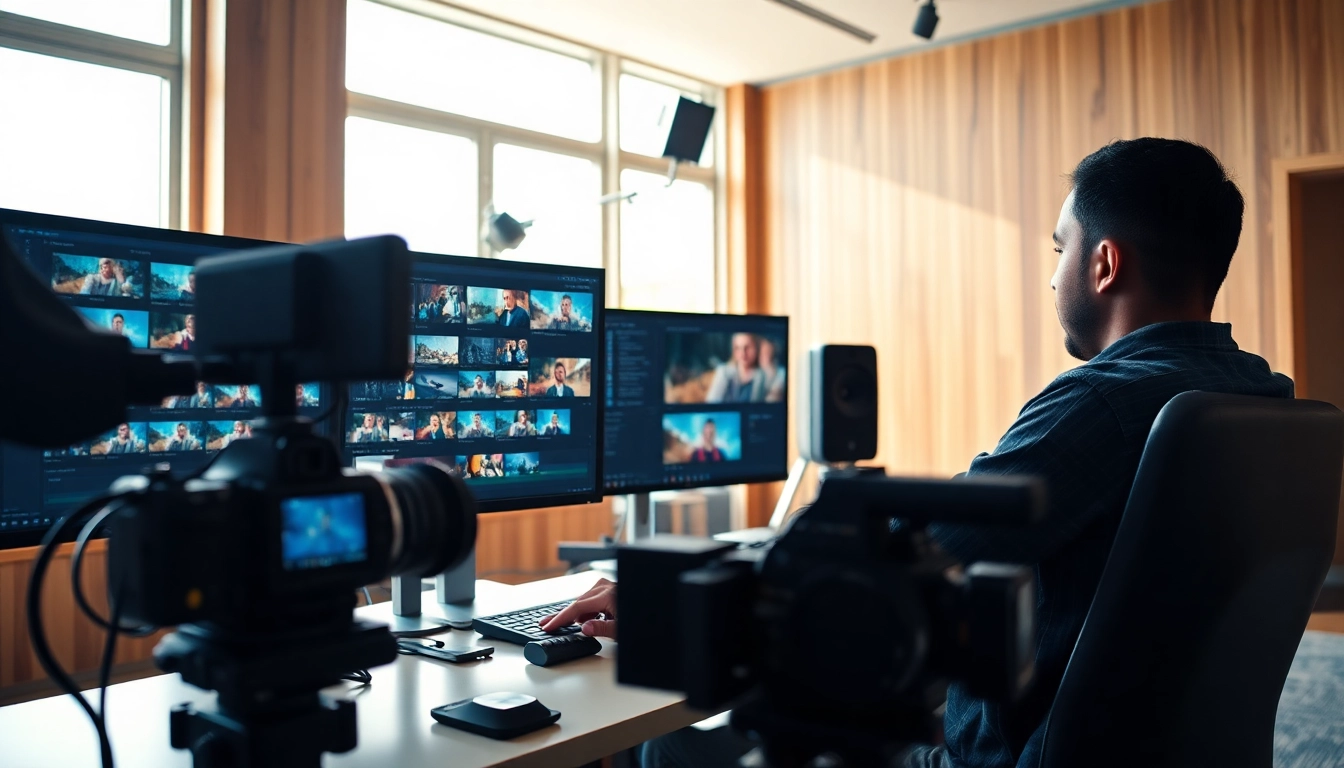
Understanding the Role of Professional Video Editors
In an era dominated by digital content, professional video editors play a crucial role in shaping the narratives and experiences we encounter through visual media. From films and television shows to online streaming content and corporate promotional videos, the influence of skilled editing is profound. Professional video editors not only refine raw footage but also enhance storytelling through effective pacing, visual dynamics, and emotional resonance.
The Impact of Video Editing in Modern Media
Video editing has evolved from being a mere technical process to a creative cornerstone of the filmmaking and content creation industries. The shift towards digital platforms has significantly increased the demand for high-quality video content, making skilled editors indispensable. Editing determines the flow and rhythm of a piece, which directly affects audience engagement. The ability to convey a message succinctly while keeping the viewers interested requires expert video editing skills.
Key Responsibilities of Professional Video Editors
Video editors are tasked with a product’s post-production phase, where they sort through raw footage, select the best takes, and piece them together according to a cohesive narrative structure. Key responsibilities include:
- Reviewing Raw Footage: Analyzing all recorded material and determining what best serves the narrative or project.
- Editing and Assembling Clips: Using software tools to cut, splice, and arrange video segments to craft a final product.
- Applying Effects and Narratives: Enhancing footage with transitions, color grading, sound effects, and music to complete the storytelling process.
- Collaborating with Directors and Producers: Working alongside creative professionals to ensure the final cut aligns with the artistic vision.
Skills Required for Success in Video Editing
To thrive as a professional video editor, individuals must possess a unique blend of technical and creative skills. These include:
- Technical Proficiency: Mastery of industry-standard software like Adobe Premiere Pro, Final Cut Pro, or DaVinci Resolve.
- Attention to Detail: The capacity to focus on minute aspects, from frame composition to sound synchronization.
- Storytelling Abilities: Understanding narrative structures to effectively communicate ideas through video.
- Time Management: Ability to work efficiently under tight deadlines while delivering high-quality work.
- Communication Skills: Collaborating effectively with directors, producers, and other team members to meet project goals.
Essential Tools for Professional Video Editors
Popular Software Options for Video Editing
Software choice can have a significant impact on the editing workflow. The following programs are widely recognized in the industry:
- Adobe Premiere Pro: Known for its versatility and comprehensive features, it is widely used in film and TV productions.
- Final Cut Pro: This is a staple among Mac users and offers powerful editing tools alongside exceptional performance.
- DaVinci Resolve: Apart from excellent color grading capabilities, it provides comprehensive editing functionalities.
- HitFilm Express: A free software option that caters to aspiring filmmakers while still offering professional-grade features.
Hardware Considerations for Professional Setups
A proficient editing suite is as important as the software itself. Here are a few key hardware components:
- Powerful Computer: A robust CPU and GPU for handling large files and complex processing tasks without delays.
- High-Resolution Monitor: For accurate color grading and attention to detail during the editing process.
- External Hard Drives: Essential for ample storage space, especially when working with large video files.
- Audio Equipment: Quality speakers or headphones for accurate sound editing and mixing.
Future Trends in Video Editing Technology
The landscape of video editing technology is rapidly evolving. Some notable trends include:
- AI Integration: Tools that leverage artificial intelligence to automate mundane tasks, streamlining the editing process.
- Cloud-Based Editing: Enabling collaboration across teams regardless of location, fostering remote working possibilities.
- Virtual and Augmented Reality: Expanding opportunities for editing immersive content as these technologies gain popularity.
- Real-Time Collaboration: Enhancing workflow within teams through shared editing platforms and instant feedback mechanisms.
The Importance of Post-Production in Video Editing
Best Practices for Effective Post-Production
Post-production is the heart of video editing, where the essence of the project truly comes to life. Here are some best practices:
- Organize Footage: Properly categorizing and labeling clips can save significant time during the editing process.
- Maintain a Clear Vision: Stick to the original narrative and keep the audience’s experience in mind.
- Experiment with Edits: Don’t hesitate to try different cuts, transitions, and pacing to find what works best.
- Seek Feedback: Collaborate with colleagues and clients for fresh perspectives and constructive criticism.
Techniques to Enhance Footage During Editing
Enhancing footage goes beyond simple cuts. Here are some techniques that can elevate the final product:
- Color Grading: Adjusting colors to convey moods and improve visual aesthetics.
- Sound Design: Adding sound effects and balancing audio levels to enrich the narrative.
- Motion Graphics: Incorporating animations and titles to make information engaging and visually appealing.
- Stabilization: Employing tools to smooth out shaky footage, enhancing viewer comfort during playback.
Collaboration with Other Production Team Members
The best video editors understand the value of collaboration. This involves working closely with:
- Directors: Aligning on creative visions and ensuring the final cut reflects artistic intents.
- Cinematographers: Understanding the filming techniques employed to effectively highlight the footage’s strengths.
- Sound Designers: Creating a synchronized audiovisual experience that resonates with the audience.
- Writers: Collaborating to maintain narrative coherence and ensure that the story arc flows effectively.
Hiring Professional Video Editors: What to Look For
Attributes of a Skilled Video Editor
When hiring a video editor, whether for a freelance position or as part of an in-house team, several key attributes should be evaluated. Look for editors who:
- Have a Strong Portfolio: A diverse portfolio showcasing various editing styles and techniques can give insight into their skills.
- Understand Your Vision: Editors who can translate your ideas into visual stories will offer a closer alignment to your goals.
- Communicate Effectively: Strong communication skills are necessary for understanding feedback and making necessary adjustments.
- Adapt to New Technologies: A willingness to learn and implement new editing methods and software is essential in keeping up with industry trends.
How to Evaluate Video Editing Portfolios
A portfolio is one of the best indicators of a video editor’s capabilities. When reviewing portfolios, consider:
- Variety of Work: Ensure the editor has experience across different genres – corporate videos, documentaries, short films, etc.
- Technical Proficiency: Note the smoothness of cuts, the use of transitions, color grading, and overall audio-visual quality.
- Storytelling Ability: Assess whether the editor effectively communicates ideas and emotions through the edit.
- Client Testimonials: Feedback from previous clients can provide insights into their professionalism and reliability.
Understanding Video Editing Rates and Budgeting
The costs associated with hiring a professional video editor can vary widely based on several factors, including experience, the complexity of the project, and geographical location. Typical rates can range from:
- Entry-Level Editors: $15 to $30 per hour.
- Intermediate Editors: $30 to $60 per hour.
- Expert Editors: $60 to $150+ per hour.
Budgeting realistically for video editing ensures that you can secure the right talent while also setting the stage for creative collaboration.
Common Challenges Faced by Professional Video Editors
Time Management and Meeting Deadlines
Professional video editors often work under tight deadlines. Efficient time management strategies include:
- Prioritizing Tasks: Allocate time to essential tasks by preventing less critical work from taking precedence.
- Using Time-Tracking Tools: Tools like Toggl or Asana can help manage and streamline tasks.
- Setting Realistic Goals: Break projects into manageable chunks with specific deadlines to avoid last-minute rushes.
Navigating Creative Differences with Clients
Editors must navigate creative differences, often requiring diplomacy and adaptability. Strategies for effective conflict resolution include:
- Open Communication: Encouraging frank discussions about preferences and vision helps in avoiding misunderstandings.
- Offering Options: Present multiple editing styles or approaches to foster collaborative decision-making.
- Documenting Feedback: Follow up on feedback in written form to ensure everyone is on the same page.
Keeping Up with Industry Trends and Tools
The video editing landscape is ever-changing. Editors can stay ahead by:
- Joining Professional Networks: Engaging with communities on platforms like LinkedIn or Reddit to learn about new trends.
- Attending Workshops and Conferences: These events provide exposure to emerging technologies and best practices.
- Regularly Experimenting: Trying out new tools and techniques keeps the editor’s skill set fresh and adaptable.