
Understanding Motorcycle Windscreen Basics
What is a motorcycle windscreen?
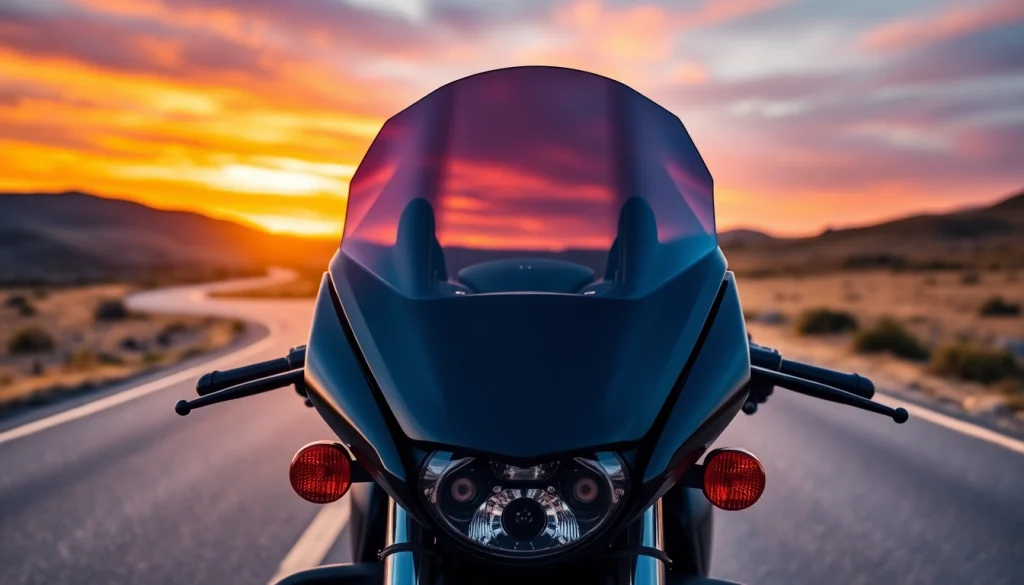
A motorcycle windscreen is a crucial component designed to enhance a rider’s experience by redirecting airflow, increasing comfort, and improving visibility. This piece of equipment is often made of transparent material, placed at the front of a motorcycle, and designed to cover the upper part of the rider. Its primary function is to minimize the impact of wind and debris at high speeds, providing not only protection but also contributing to the overall aerodynamics of the bike.
Benefits of using a motorcycle windscreen
The benefits of using a motorcycle windscreen extend far beyond mere aesthetics. One of the most significant advantages is the reduction of wind resistance. By affecting the airflow around the rider, a windscreen can reduce fatigue during long rides, allowing for a more enjoyable experience. Furthermore, it protects against small debris and weather elements like rain or bugs, enhancing safety. Another critical factor is improved visibility; many high-quality windscreens are treated to reduce glare and scratches, ensuring clearer sightlines regardless of the conditions.
Common materials used for motorcycle windscreens
Motorcycle windscreens are typically made from either polycarbonate or acrylic materials. Polycarbonate is highly durable, which makes it less likely to shatter upon impact, while acrylic offers excellent clarity and UV resistance. Each material has its pros and cons: polycarbonate is resilient, but it may be prone to scratching, while acrylic is clearer but can be less durable. The choice typically depends on the rider’s needs, preferences, and budget, with many opting for a blend of both materials in some cases.
How to Choose the Right Motorcycle Windscreen
Factors to consider when selecting a motorcycle windscreen
When choosing a motorcycle windscreen, several factors must be taken into consideration. First and foremost, the type of motorcycle plays a significant role; sport bikes may require a shorter, more streamlined windscreen for aerodynamic performance, while touring bikes might benefit from a taller option that offers more protection. Moreover, factors such as riding style, typical weather conditions, and personal comfort should be evaluated carefully. Additionally, riders should assess their height and seating position, as these factors will influence how effectively the windscreen operates.
Size and shape variations of motorcycle windscreens
Windscreens come in various sizes and shapes, including low, mid, and tall profiles. Low-profile windscreens are designed for sport riding, often tapering off to reduce the frontal area, promoting aerodynamics at high speeds. Mid-profile windscreens provide a balance between performance and protection, appealing to general riders. Tall windscreens, on the other hand, are excellent for long-distance touring, offering maximum wind protection and comfort. Understanding these shapes and sizes helps riders align their choices with their riding preferences and ergonomic needs.
Matching your motorcycle style with the right windscreen
The aesthetics of a motorcycle are integral to its identity, and the windscreen should complement this visual appeal. A stylish windscreen can enhance the overall look of a bike while fitting in with its style—be it cruiser, sport, or touring. For classic motorcycles, a vintage-style windscreen might be appropriate, while modern sport bikes may look best with a sleek, aggressive design. Riders should consider the color, shape, and finish of their windscreen to ensure a cohesive look that reflects their personal style.
Installation and Maintenance of Motorcycle Windscreens
Step-by-step installation guide for motorcycle windscreens
Installing a motorcycle windscreen can be a straightforward process if approached methodically. Here’s a simple step-by-step guide to follow:
- Gather tools and materials: Before beginning, ensure you have all the necessary tools, such as a screwdriver, wrench, and appropriate brackets.
- Remove the old windscreen: If replacing an old screen, carefully undo any screws or bolts keeping it in place, taking care not to damage the motorcycle.
- Align new brackets: Before installing the new windscreen, align and attach the brackets to the motorcycle frame according to the manufacturer’s instructions.
- Secure the windscreen: Position the windscreen on the newly attached brackets, ensuring it’s level and centered, then tighten all screws and bolts securely.
- Check for stability: Once installed, give the windscreen a gentle push to ensure it’s firmly attached and does not wobble.
Taking care to follow the manufacturer’s specifications for the specific motorcycle model is crucial for a proper and secure fit.
Effective cleaning tips for maintaining your motorcycle windscreen
Maintaining your motorcycle windscreen is vital for clarity and longevity. Here are some effective cleaning tips:
- Use a soft cloth: Always opt for a microfiber or soft cotton cloth to prevent scratches on the surface.
- Avoid harsh chemicals: Instead of traditional glass cleaners which can damage the screen, use products specifically formulated for plastics or motorcycle windscreens.
- Wash regularly: Regular washing can help prevent the buildup of dirt and grime, ensuring clear visibility.
- Dry with care: When drying the windscreen, gently pat it dry rather than rubbing, to avoid scratches or swirls.
Establishing a clear maintenance routine can significantly enhance the lifespan of the windscreen and maintain optimal visibility.
Troubleshooting common installation issues
Even with proper instructions, installation can encounter complications. Here are a few common issues and solutions:
- Windscreen wobble: If the windscreen is loose, revisit the screws to ensure they are securely fastened without over-tightening, which can cause cracks.
- Misalignment: If the windscreen looks crooked, remove it and re-align it before re-attaching the brackets. Use a level if necessary.
- Wind noise: Excessive noise may indicate incorrect sizing; consider trying a taller or different shaped windscreen to reduce turbulence.
By knowing common problems and their solutions, riders can ensure a smooth installation process for their motorcycle windscreen.
Performance Metrics of Motorcycle Windscreens
How to assess the effectiveness of your motorcycle windscreen
To evaluate how well a motorcycle windscreen performs, riders can consider several metrics, including wind resistance, clarity of vision, and comfort during rides. Feedback from actual riding experiences can gauge the reduction of wind buffeting and turbulence. Additionally, after-market wind tunnels and simulations can provide data on how changes in windscreen design can affect performance, although rider experience remains the gold standard for assessment.
Real-world performance comparisons
Real-world performance comparisons of different windscreens can highlight significant discrepancies in quality and effectiveness. Riders often share their experiences through forums and review platforms, discussing aspects such as noise levels, how well the windscreen deflects airflow, and any poor visibility issues that might arise. Conducting a side-by-side analysis of windscreens on identical motorcycle models allows for a more accurate determination of which options provide the best performance under various conditions.
Impact of windscreens on riding experience
The impact of the motorcycle windscreen on the overall riding experience cannot be understated. A well-chosen windscreen provides a smoother ride, reduces fatigue, and enhances comfort, which is paramount for longer journeys. Riders often report improvement in focus and concentration due to diminished distractions such as buffeting air or debris. Thus, understanding the significance of the right windscreen can greatly influence the quality of riding, especially during extended travels across varied terrains.
Trends in Motorcycle Windscreen Design
Innovations in motorcycle windscreen technology
Recent advancements in motorcycle windscreen technology have led to innovative features that enhance both performance and user experience. Innovations such as adjustable windscreen heights allow riders to switch positions based on riding conditions, while heated screens provide comfort in colder temperatures. New materials with increased durability and resistance to scratching are also becoming more prevalent, ensuring that riders can enjoy clarity and safety throughout their journeys.
Stylish designs: How aesthetics matter
The aesthetic appeal of motorcycle windscreens is becoming increasingly important for riders who seek to personalize their bikes. Manufacturers are developing windscreens with creative shapes and colors that not only serve functional purposes but also reflect individual style. Custom graphics and tinted options enhance the visual profile of motorcycles, allowing riders to express themselves while ensuring that performance is not compromised.
The future of motorcycle windscreens: What’s next?
Looking forward, the future of motorcycle windscreens holds exciting possibilities as technology continues to evolve. Potential trends include smart windscreen technology that could integrate heads-up displays showing speed, navigation, and other critical information without needing to look down. Additionally, advancements in nanotechnology may enable self-cleaning screens that repel dirt and moisture effectively, maintaining clarity without regular maintenance. As the motorcycle industry moves towards more innovative solutions, riders can anticipate greater functionality and customization in windscreens.