
How to Properly Set Ride Height with BMW E36 Coilovers
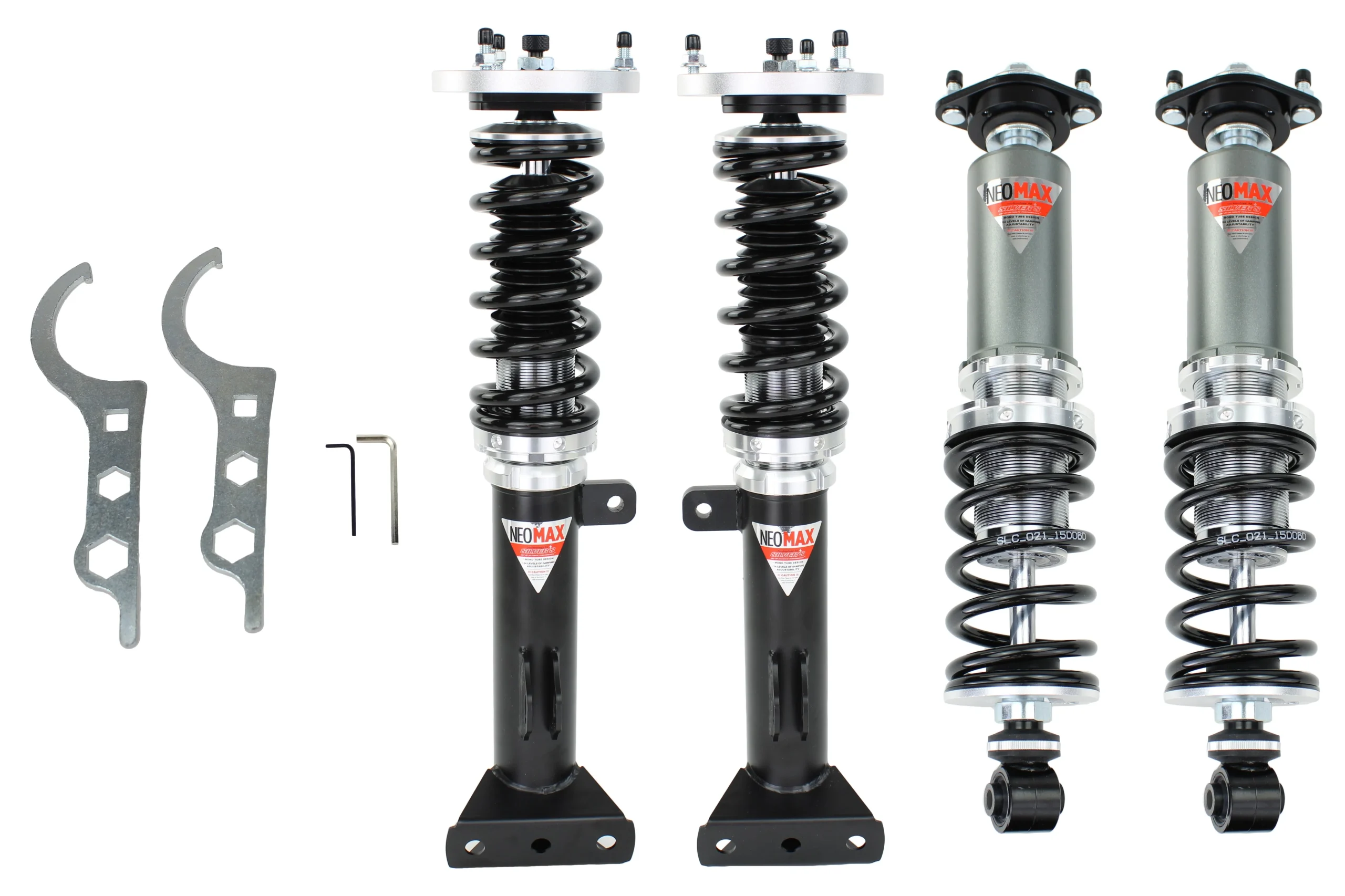
Setting the correct ride height on your BMW E36 coilovers is crucial for performance, handling, and overall vehicle aesthetics. Improper ride height can lead to poor handling, uneven tire wear, and even suspension damage. This guide will walk you through the process of properly adjusting your BMW E36 coilovers to achieve optimal performance and style.
- Understanding BMW E36 Coilovers
- Tools Needed for Adjusting Ride Height
- Preparing Your BMW E36
- Measuring Current Ride Height
- Adjusting the Ride Height
- Importance of Corner Balancing
- Checking Suspension Geometry
- Test Drive and Fine-Tuning
- Maintenance Tips for BMW E36 Coilovers
- Common Mistakes to Avoid
- Conclusion
Understanding BMW E36 Coilovers
Before adjusting the ride height, it’s important to understand what BMW E36 coilovers are. Coilovers combine a shock absorber and a coil spring into a single unit, offering adjustable ride height and damping options. Unlike standard springs, BMW E36 coilovers allow you to lower or raise your car to your preferred height while maintaining proper suspension geometry. This flexibility makes coilovers a popular choice among BMW enthusiasts.
Tools Needed for Adjusting Ride Height
To properly adjust your BMW E36 coilovers, you’ll need a few essential tools:
- Jack and jack stands
- Wrench set or coilover spanner
- Measuring tape
- Rubber mallet (optional)
Having these tools ready ensures a smooth and accurate ride height adjustment process.
Preparing Your BMW E36
Before adjusting your BMW E36 coilovers, make sure your car is on a flat, level surface. Engage the parking brake and place wheel chocks behind the rear wheels to prevent movement. Remove the wheels to access the coilovers easily. Proper preparation ensures safety and allows for precise measurement of ride height.
Measuring Current Ride Height
Start by measuring your current ride height. Measure from the center of the wheel hub to the fender lip. Record these measurements for all four corners of your BMW E36. This step is essential because it gives you a baseline to know how much adjustment your BMW E36 coilovers require.
Adjusting the Ride Height
To adjust your BMW E36 coilovers, follow these steps:
- Loosen the Locking Collar: Use the coilover spanner to loosen the locking collar on your coilover.
- Adjust the Spring Perch: Turn the spring perch up to raise the car or down to lower it. Adjust gradually to avoid over-lowering or creating uneven ride height.
- Check Evenness: Measure both sides to ensure symmetry. Uneven ride height can affect handling and tire wear.
- Tighten the Locking Collar: Once the desired height is achieved, tighten the locking collar to secure the adjustment.
Repeat this process for all four coilovers, keeping in mind that the front and rear may require different heights for proper stance and handling.
Importance of Corner Balancing
After adjusting your BMW E36 coilovers, corner balancing is recommended. Corner balancing ensures that the weight distribution across all four wheels is even, improving handling and stability. This step is particularly important if you plan to track your BMW E36 or want a more responsive ride.
Checking Suspension Geometry
Proper ride height adjustment with BMW E36 coilovers should not compromise suspension geometry. After lowering or raising the car, inspect the control arms, sway bars, and shocks to ensure nothing is under excessive stress. Correct geometry prevents premature wear and maintains optimal handling.
Test Drive and Fine-Tuning
Once your BMW E36 coilovers are adjusted, take the car for a test drive. Pay attention to handling, bump absorption, and cornering behavior. If the car feels too stiff, too soft, or uneven, make small adjustments to the ride height or damping settings. Fine-tuning ensures the best combination of performance and comfort.
Maintenance Tips for BMW E36 Coilovers
To keep your BMW E36 coilovers in top condition:
- Clean the coilovers regularly to prevent dirt and corrosion.
- Inspect for leaks or damaged components.
- Periodically check and retighten the locking collars.
- Lubricate threads to prevent seizing during adjustments.
Proper maintenance extends the life of your BMW E36 coilovers and ensures consistent performance.
Common Mistakes to Avoid
When setting ride height with BMW E36 coilovers, avoid these common mistakes:
- Lowering too aggressively without considering suspension geometry.
- Adjusting only one side, causing uneven stance.
- Forgetting to lock the collars, leading to height slippage.
- Neglecting a test drive and fine-tuning after adjustment.
Being aware of these pitfalls ensures a safe and effective ride height adjustment.
Conclusion
Properly setting ride height with BMW E36 coilovers enhances both performance and aesthetics. By following the steps outlined in this guide—from measuring current height to adjusting, corner balancing, and fine-tuning—you can achieve a perfect stance while maintaining optimal handling. Remember, consistent maintenance and careful adjustments are key to getting the most out of your BMW E36 coilovers.