
THCA RESEARCH: WHAT EXPERTS ARE DISCOVERING IN 2025
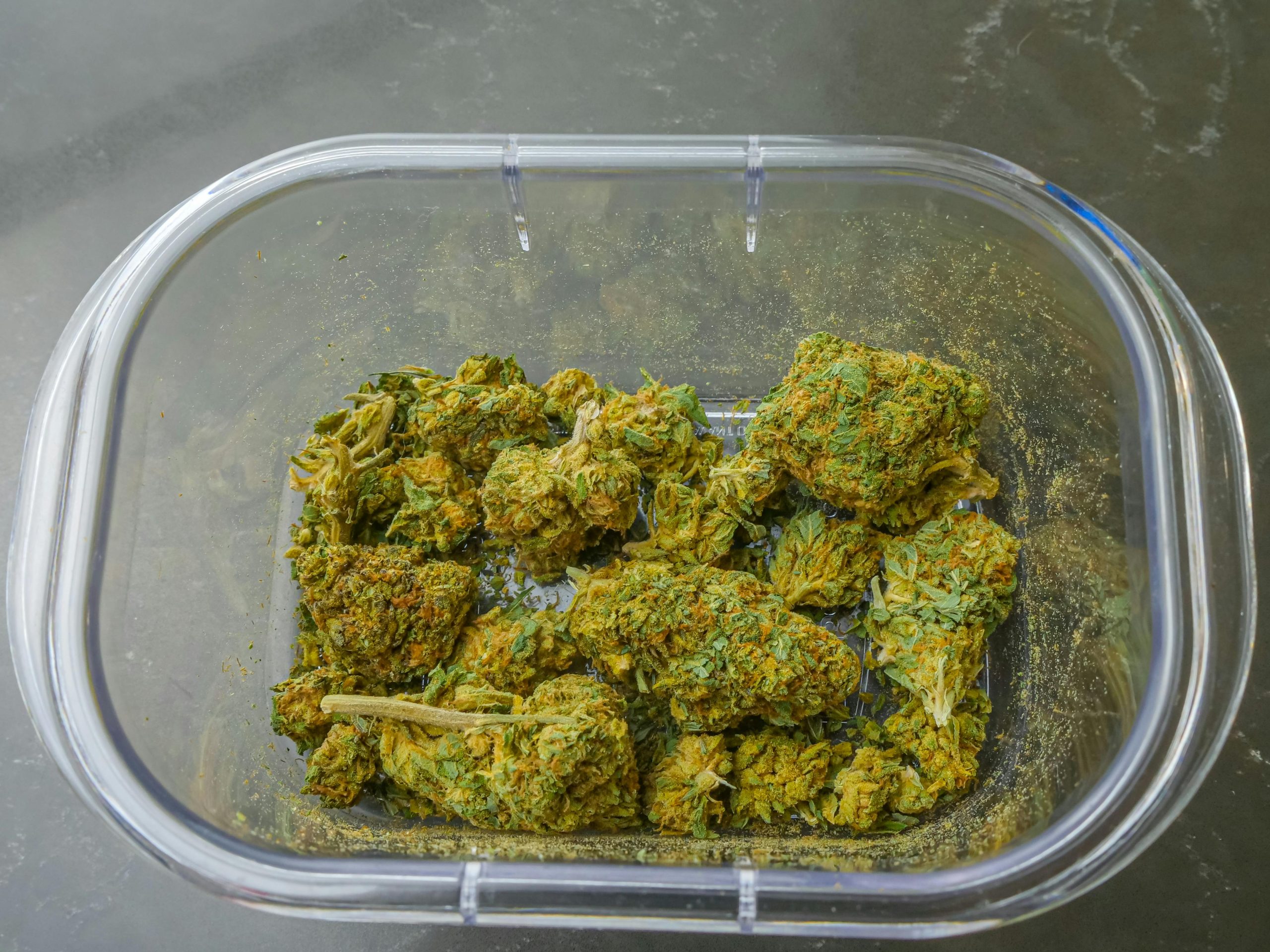
The Growing Scientific Interest in THCA
In 2025, THCA research has reached new levels of sophistication as scientists explore its unique properties. Unlike THC, THCA is non-psychoactive, which makes it an appealing compound for both wellness applications and medical research. Researchers are studying how THCA interacts with the human body, including its potential effects on inflammation, neurological function, and cellular health. With advancements in analytical techniques, scientists can now isolate THCA with high precision, enabling more detailed studies on its biological activity.
THCA’s Potential Therapeutic Applications
One of the key areas of THCA research involves its potential therapeutic benefits. Early studies suggest that THCA may play a role in reducing inflammation, supporting joint health, and promoting neuroprotection. Unlike THC, THCA does not produce psychoactive effects, allowing researchers to study its efficacy without concerns about altering cognitive function. Scientists in 2025 are conducting clinical trials to better understand how THCA can complement existing treatments and contribute to holistic wellness strategies.
Chemical and Biological Insights Into THCA
From a chemical perspective, THCA differs from THC due to its carboxyl group, which prevents it from binding directly to CB1 receptors in the brain. This distinction is critical in understanding why THCA is non-intoxicating. Researchers are also examining THCA’s interactions with other cannabinoids, terpenes, and natural compounds in the body. These studies reveal that THCA may have synergistic effects, enhancing the overall impact of cannabis-based formulations without causing psychoactive outcomes.
THCA and Food Science Research
Food science is another field where THCA research is gaining momentum. Experts are investigating how THCA behaves in raw, cold-processed foods and how its properties change under heat and storage conditions. These insights are crucial for culinary professionals and manufacturers looking to create stable, non-intoxicating cannabis products. By understanding THCA’s chemical stability and nutritional profile, researchers provide valuable guidance for safe and effective incorporation into food systems.
Regulatory and Analytical Advances in THCA Research
As interest in THCA grows, regulatory bodies are paying close attention to scientific findings. Accurate measurement of THCA content in products is now possible through advanced chromatography and spectroscopy techniques. These developments ensure that consumers and manufacturers can rely on precise labeling and safe dosages. The scientific validation of THCA also supports its inclusion in wellness and culinary applications while adhering to evolving regulations.
Consumer Implications of THCA Research
For consumers, the research on THCA in 2025 highlights the potential for non-intoxicating benefits from cannabis products. Wellness enthusiasts are increasingly seeking THCA-rich extracts, tinctures, and raw preparations that support daily routines without altering mental clarity. As research continues, THCA may become a mainstream ingredient in functional foods, supplements, and holistic health products.
Conclusion
The research landscape of 2025 positions THCA as a key cannabinoid with unique non-psychoactive properties. From therapeutic potential to culinary applications, THCA is gaining recognition for its stability, versatility, and health-related effects. Understanding THCA through ongoing studies empowers scientists, chefs, and consumers to make informed decisions, bridging the gap between cannabis science and practical use in everyday life.