
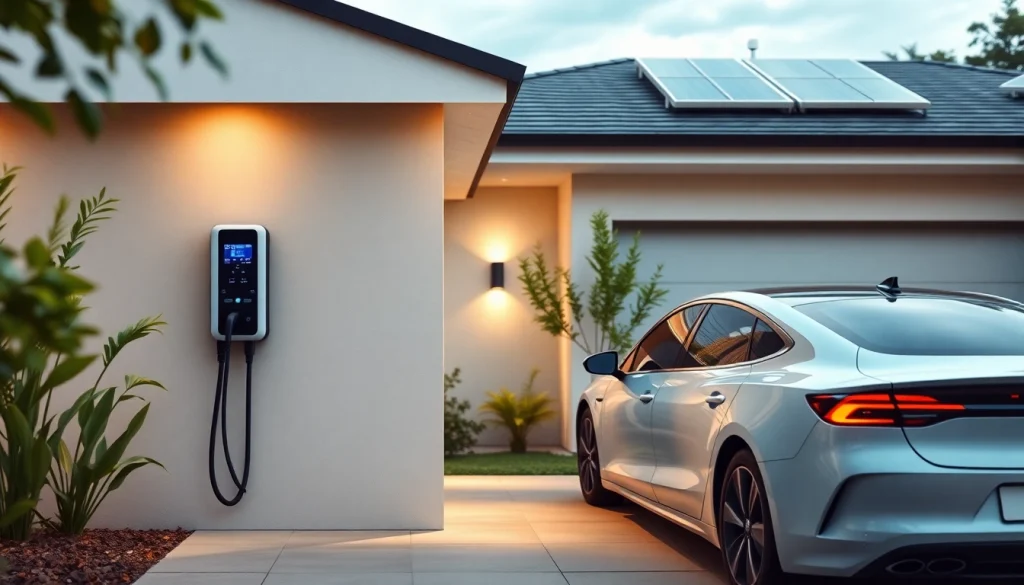
Understanding Home EV Chargers: An Introduction
In today’s rapidly evolving automotive landscape, electric vehicles (EVs) have surged in popularity, driven by advancements in technology and an increasing commitment to environmental sustainability. One key component of this transformation is the availability of convenient charging solutions. Specifically, home EV chargers offer vehicle owners the ability to charge their cars overnight, ensuring they start each day with a full battery. This article delves into the essentials of home EV chargers, their installation costs, and the ongoing evolution of charging technology.
What is a Home EV Charger?
A home EV charger is an electric charging station installed at residential properties that allows electric vehicle owners to charge their vehicles conveniently. These chargers can range from standard Level 1 chargers, which typically use a standard household outlet, to more efficient Level 2 chargers, which can charge vehicles much faster by operating on a dedicated 240V outlet. Installing a home charger eliminates reliance on public charging stations and offers more flexibility for EV owners as they can charge their vehicles overnight or during off-peak hours.
The Importance of Home Charging Solutions
As the global shift towards electrification of vehicles continues, the necessity for efficient home charging solutions becomes increasingly significant. Home charging not only enhances the convenience of EV ownership but also contributes to cost savings. By charging at home, users can avoid peak charging station fees, and many energy providers offer lower rates for charging during off-peak hours. Moreover, having a dedicated charger can reduce wear and tear on the vehicle’s battery, ensuring longevity and performance.
Key Benefits of Installing a Home EV Charger
- Convenience: Charge your vehicle overnight without the need to visit public charging stations.
- Cost-effective: Take advantage of lower electricity rates during off-peak hours.
- Faster Charging: Installations often allow for quicker charging compared to standard home outlets.
- Increased Property Value: Homes equipped with EV chargers can attract more buyers in the growing EV market.
- Enhanced Battery Health: Regular charging at home can improve battery life and performance.
Evaluating the Cost of Home EV Charger Installation
Determining the cost of installing a home EV charger involves several factors that vary from home to home. Understanding these factors will equip potential buyers with the knowledge to make informed decisions regarding their EV charging needs.
Factors That Influence Installation Costs
- Charger Type: The choice between Level 1 and Level 2 chargers can significantly impact costs. Level 1 chargers are cheaper but have slower charging speeds.
- Electrical Infrastructure: The condition of your existing electrical system may necessitate upgrades, affecting installation costs.
- Distance to Power Source: The farther the charger is from the main electrical panel, the higher the installation cost due to additional wiring.
- Labor Costs: Rates may vary depending on geographic location and the complexity of the job.
Typical Price Ranges for Different Charger Types
Installation costs for home EV chargers can vary widely based on the above factors. Generally, homeowners can expect to pay anywhere from $1,000 to $3,000 for a professionally installed Level 2 home EV charger. This price typically includes the charger unit, installation labor, and necessary electrical upgrades.
How to Get Accurate Quotes for Your Installation
The best way to get a reliable quote is to contact certified electricians who specialize in EV charger installations. They can evaluate your home’s electrical system and provide tailored quotes based on your specific needs. It’s advisable to gather multiple quotes to compare prices and services to ensure you make an informed decision.
Step-by-Step Installation Process of Home EV Chargers
Installing a home EV charger involves several steps, ensuring that the process is efficient, safe, and compliant with local regulations.
Preparing Your Home for Installation
The first step involves assessing your home’s electrical capacity and identifying the optimal location for the charger. Homeowners should ensure that their electrical panel can handle the additional load and that the wiring is up to code.
Choosing the Right Charger for Your Vehicle
Different EVs are compatible with varying charger types. Owners should consider their daily driving habits and vehicle specifications to choose a charger that meets their needs effectively. Consulting with a professional can provide insight into the best options based on vehicle make and model.
What to Expect on Installation Day
On installation day, a qualified electrician will arrive to mount the charger, connect it to the electrical system, and ensure that all safety protocols are followed. After installation, the electrician will conduct tests to confirm that the charger is functioning correctly and issue a Certificate of Electrical Safety.
Common FAQs About Home EV Charger Installations
As the popularity of electric vehicles grows, many potential buyers have questions about home charger installations. Here are some of the most frequently asked questions:
Do I Need a Professional for Installation?
It’s highly recommended to hire a licensed professional for EV charger installation to ensure compliance with safety standards and local regulations. Attempting a DIY installation can lead to safety hazards and void warranties.
Is There a Warranty on Installed Chargers?
Most reputable electric vehicle chargers come with a manufacturer’s warranty, and installation services often provide assurance through workmanship warranties. This means that if anything goes wrong with the installation due to workmanship issues, the installer will rectify it at no additional cost.
How Long Does Installation Take?
Typically, a home EV charger installation can take between 2 to 4 hours, depending on the existing electrical infrastructure and the complexity of the installation. Homeowners should plan accordingly and ensure that they are available for any necessary inspections.
Future Trends in Home Charging Solutions
The EV market is continually evolving, and future trends in home charging solutions will likely focus on enhancing convenience and efficiency.
Innovations in EV Charging Technology
New technologies are emerging that promise to speed up the charging process while increasing the safety and efficiency of home charging systems. Innovations such as smart chargers that can integrate with home energy management systems and optimize charging based on energy costs are becoming more prevalent.
Impact of Solar Energy on Home Charging
As solar energy adoption increases, many homeowners are combining solar panels with home EV chargers. This synergy allows EV owners to charge their vehicles with renewable energy, significantly reducing electricity costs and enhancing sustainability.
What to Expect in the EV Market by 2025
By 2025, it is anticipated that the market for electric vehicles will continue to grow exponentially. This growth will lead to more diverse charging solutions, increased competition among manufacturers, and further advancements in charger efficiency. Homeowners can expect a wider range of products tailored to their charging needs, making it easier to electrify their transportation.