
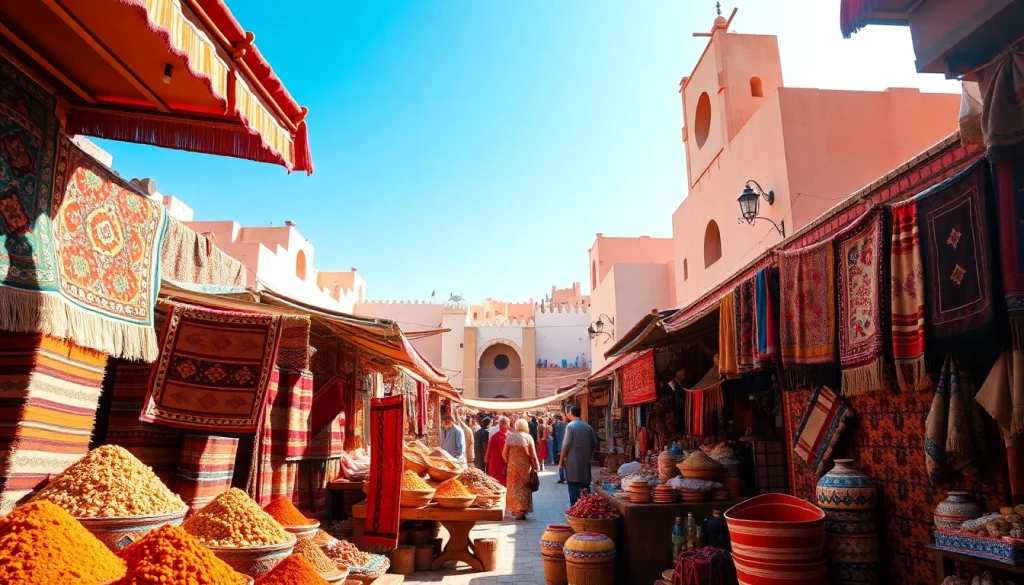
Understanding Morocco Travel: A Cultural Overview
Morocco, a land where diverse cultures, breathtaking landscapes, and rich history converge, offers travelers a unique experience that captivates the senses. As the gateway between Europe and Africa, morocco travel encompasses everything from bustling souks and stunning architecture to tranquil deserts and majestic mountains. This vibrant country, with its tantalizing flavors and welcoming people, invites you to immerse yourself in its beauty and traditions.
The Rich History of Morocco
The history of Morocco is a tapestry woven from various fabrics, with influences from Berber, Arab, French, and Spanish cultures. The indigenous Berbers were the first inhabitants, establishing ancient kingdoms before the arrival of Arab conquerors in the 7th century. These conquests catalyzed the spread of Islam, significantly influencing Moroccan society and architecture.
Over the centuries, Morocco has been a center for trade, scholarship, and cultural exchange, particularly during the Almoravid and Almohad dynasties in the 11th to 13th centuries. The medinas of Marrakech and Fes showcase intricate mosaics, stunning palaces, and the iconic Koutoubia Mosque, all remnants of a glorious past. Visitors can sense the pulse of history by wandering through the winding alleys of ancient cities, where every corner tells a story.
Key Regions to Explore in Morocco Travel
Morocco boasts several distinct regions, each with unique landscapes and cultural experiences:
- The Rif Mountains: Known for its rugged terrain and the blue-hued town of Chefchaouen, this region offers both breathtaking views and a laid-back atmosphere.
- The Atlas Mountains: A hiker’s paradise, the Atlas range is home to Toubkal, the highest peak in North Africa. The Berber villages nestled in these mountains provide a glimpse into traditional life.
- The Sahara Desert: This vast desert offers surreal landscapes, including golden dunes and starry nights in luxury tents. Camel trekking is a popular activity, allowing travelers to appreciate the stark beauty of the desert.
- The Coastal Regions: From the beaches of Agadir to the surf spots in Essaouira, Morocco’s Atlantic coastline is ideal for relaxation and water sports.
- Historic Cities: Cities like Marrakech, Fes, and Rabat encapsulate Morocco’s rich heritage, with each offering unique attractions and experiences for visitors.
Must-See Landmarks and Attractions
While traveling in Morocco, certain landmarks are not to be missed:
- The Medina of Fes: A UNESCO World Heritage site, this sprawling labyrinth of alleyways is filled with artisan shops, traditional hammams, and ancient mosques.
- Majorelle Garden: Originally designed by French painter Jacques Majorelle, this vibrant garden in Marrakech is a serene escape filled with exotic plants and colorful tiles.
- Hassan II Mosque: Located in Casablanca, this mosque features stunning architectural design and is one of the largest in the world, allowing visitors to admire its grandeur.
- Ouzoud Waterfalls: Situated in the Middle Atlas region, these waterfalls are a natural wonder offering picturesque scenery and opportunities for hiking and swimming.
Planning Your Trip to Morocco: Essential Tips
Best Times to Visit Morocco
When planning your trip, timing is crucial. The most pleasant times to visit Morocco are during spring (March to May) and fall (September to November). During these months, temperatures are moderate, making it ideal for outdoor activities and exploring cities. Summer months can get extremely hot, particularly in the interior and southern regions, while winter can bring snow to the mountains and cooler temperatures in cities.
What to Pack for Your Morocco Travel
When packing for your adventure, consider the diverse climates and cultural norms of Morocco:
- Lightweight Clothing: Loose-fitting, breathable fabrics are ideal for warm weather. Remember, modest clothing is recommended, especially in rural areas and religious sites.
- Layers: Evenings can be cool, especially in the mountains, so bring layers for comfort.
- Comfortable Footwear: A good pair of walking shoes is essential for exploring the medinas and the diverse landscapes.
- Sun Protection: Sunscreen, hats, and sunglasses will help protect you from the intense sun, especially in summer.
Transportation Options Within Morocco
Getting around Morocco can be smooth with various transportation options available:
- Trains: The train network is efficient and connects major cities, making it a great option for travelers.
- Buses: Intercity buses are affordable and offer a chance to see the countryside.
- Grand Taxis: Shared taxis are a popular means of transportation for both locals and tourists.
- Car Rentals: Renting a car provides the most flexibility to explore off-the-beaten-path destinations.
Experiencing Moroccan Cuisine: A Culinary Journey
Traditional Dishes to Try During Morocco Travel
Moroccan cuisine is a vibrant blend of flavors, spices, and ingredients that reflect its diverse heritage. Here are must-try dishes:
- Couscous: Often considered Morocco’s national dish, couscous is a comforting grain typically served with vegetables and meat.
- Tagine: Named after the earthenware pot it’s cooked in, tagine combines meat, vegetables, and fragrant spices, slow-cooked to perfection.
- Pastilla: A savory pie made with layers of flaky pastry, pigeon or chicken, and dusted with powdered sugar and cinnamon.
- Harira: A traditional soup that incorporates legumes, lentils, and spices, especially enjoyed during Ramadan.
Street Food Delights in Moroccan Markets
Exploring Moroccan street food is an adventure in itself. Each market offers a wide array of affordable and delicious options. Some popular street food items include:
- Merquez: Spicy lamb sausages grilled to perfection and often served in a sandwich or on skewers.
- Boiled Snails: A unique street snack seasoned with spices and served with a broth for dipping.
- Fresh Juices: Markets are filled with vendors selling freshly squeezed orange juice and other fruit blends, ideal for refreshing yourself in the heat.
Dining Etiquette and Customs in Morocco
Understanding local dining etiquette enhances your experience. Here are key customs to observe:
- Use of the Right Hand: It is considered polite to eat with your right hand. The left hand is viewed as unclean.
- Sharing Food: Meals are often shared, and it’s common to serve food from communal dishes.
- Tea Ritual: Moroccan mint tea is a symbol of hospitality. Drinking tea during gatherings is a key aspect of Moroccan culture.
Exploring Morocco’s Diverse Landscapes
Desert Adventures: Sahara Experiences
Experiencing the Sahara Desert is a highlight of any Morocco travel itinerary. Options for exploring this vast landscape include:
- Camel Treks: Guided camel tours through the dunes offer travelers a chance to fully immerse themselves in the serene desert environment.
- Dune Camping: Spending a night under the stars in traditional Berber tents is an unforgettable experience, complete with campfires and storytelling.
- Sandboarding: For the adventurous, sandboarding on the dunes provides a thrilling twist to desert exploration.
Coastal Beauty: Discovering Morocco’s Beaches
Morocco’s coastline stretches over 1,200 kilometers, with numerous beaches worth visiting:
- Agadir: Famous for its sandy beaches and vibrant nightlife, it is ideal for soaking up the sun and water sports.
- Essaouira: A UNESCO World Heritage site, Essaouira’s fortified old town and beach make it a charming coastal retreat.
- Asilah: Known for its Portuguese architecture and artistic vibe, Asilah offers stunning beaches and a laid-back experience.
Mountain Escapes: The Atlas Mountain Range
The Atlas Mountains provide a stark contrast to the desert and offer diverse opportunities for outdoor enthusiasts:
- Trekking: The Atlas region is perfect for hiking, with trails varying from gentle walks to challenging climbs.
- Cultural Encounters: Visiting Berber villages allows for immersion in local culture, including handcrafted goods and traditional practices.
- Skiing: In winter months, opportunities for skiing exist at resorts near Ifrane, dubbed “Little Switzerland” for its alpine charm.
Making the Most of Your Morocco Travel: Tips for Travelers
Cultural Sensitivity and Local Etiquette
Being culturally sensitive enhances your travel experience in Morocco. Key points to remember include:
- Dress Modestly: Adopting a dress code that respects local customs is essential, especially in rural areas and places of worship.
- Respect Religious Practices: Understanding and respecting the five daily prayers and Ramadan fasting customs are vital when visiting.
- Seek Permission for Photos: Always ask before photographing individuals, particularly in more rural areas.
Budgeting and Money-Saving Strategies
Visiting Morocco on a budget is possible with careful planning. Here are ways to save:
- Local Markets: Eating at local food stalls and markets can save money while allowing you to savor authentic cuisine.
- Public Transportation: Utilizing buses and trains for travel between cities is affordable compared to taxis or rentals.
- Negotiate: Haggling is expected in souks, so don’t shy away from bargaining to get a reasonable price.
Connecting with Local Communities
Engaging with local communities enriches your experience and fosters understanding. Consider these approaches:
- Participate in Workshops: Many towns offer workshops on pottery, weaving, or cooking, providing a hands-on experience.
- Volunteer Opportunities: Engaging in community service can create lasting connections and insights into Moroccan culture.
- Stay with Locals: Opt for guesthouses or homestays to immerse yourself in the local lifestyle.