
Understanding the Impact and Management of Wildfire Events
The Reality of Wildfire Events
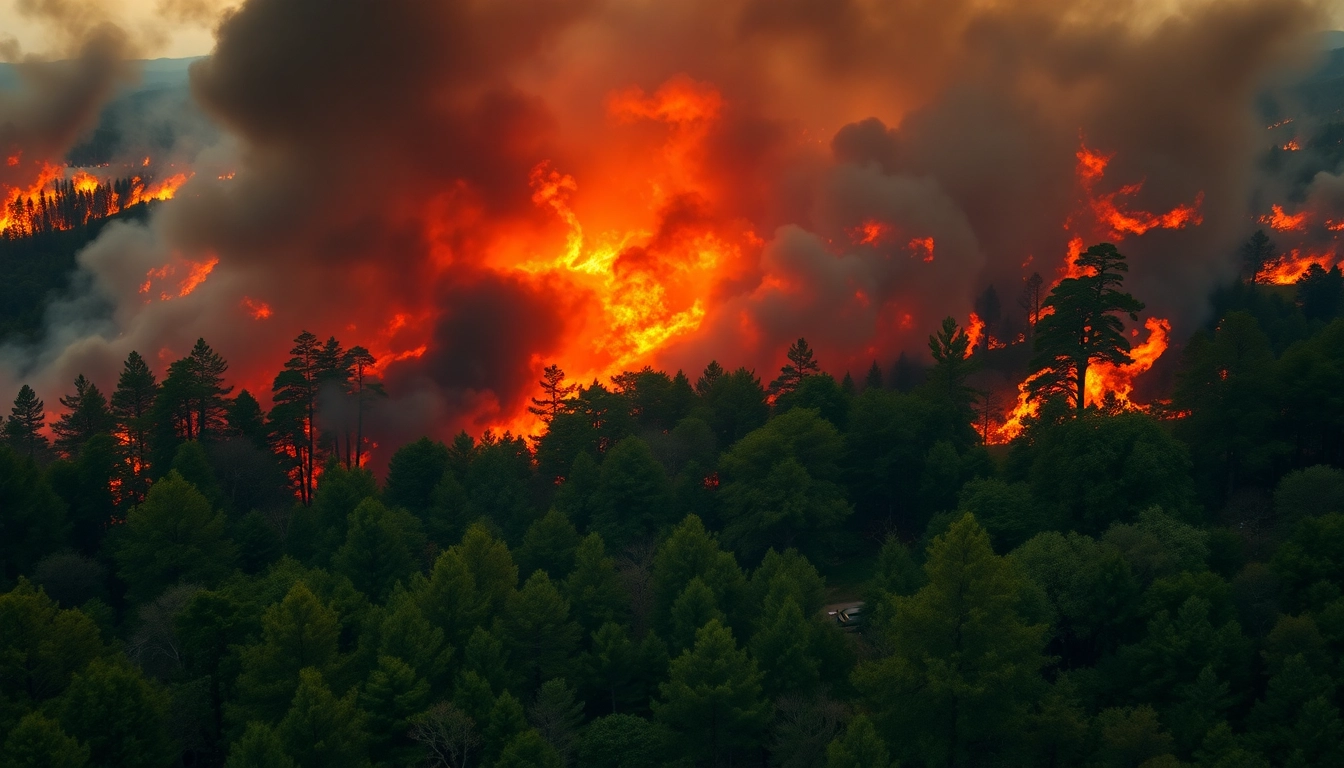
Wildfire events have become a pressing concern across the globe, significantly impacting communities, ecosystems, and economies. As climates shift and human activities expand into wilderness areas, understanding wildfire events—including their causes, risk factors, and management strategies—is essential. The rise in frequency and intensity of these events necessitates an informed and proactive approach involving both awareness and preparedness. For further insights, visit Wildfire events, a valuable resource on this topic.
Defining Wildfire Events
A wildfire, or forest fire, refers to any uncontrolled fire that occurs on undeveloped land. These fires can arise due to several factors including natural occurrences, like lightning strikes, or human actions, such as negligence or arson. They exhibit a variety of behaviors influenced by environmental conditions, including topography, weather patterns, and available fuel (vegetation and debris).
Causes and Contributing Factors
Several factors contribute to the initiation and spread of wildfire events. Understanding these helps in crafting effective prevention strategies:
- Weather Conditions: High temperatures, low humidity, and strong winds can exacerbate fire conditions, making areas more susceptible.
- Vegetation Types: Forests with dense, dry vegetation provide ample fuel for wildfires, enabling them to spread rapidly.
- Human Activities: Many wildfires start as a result of human errors such as campfires left unattended, discarded cigarettes, and sparks from machinery.
- Climate Change: Increasing temperatures and altering precipitation patterns contribute to longer and more intense fire seasons.
The Importance of Awareness
Awareness around wildfire events cannot be overstated. Communities must recognize the risk levels in their areas and the potential for devastating impacts. Education initiatives can equip residents with knowledge on how to prevent wildfires, recognize fire hazards in their environments, and evacuate safely when fires threaten.
Historical Context of Wildfire Events
Significant Wildfire Events in History
Historically, various wildfire events have had monumental impacts, reshaping landscapes and communities. For instance, the Peshtigo Fire, which occurred in 1871 and is considered the deadliest wildfire in U.S. history, claimed more than 1,500 lives. Such incidents underscore the catastrophic consequences of wildfires and serve as crucial learning points for modern fire management.
Lessons Learned from Past Incidents
Each significant wildfire event has provided vital lessons in fire response and preparedness. The 2016 Fort McMurray Fire in Canada, which forced the evacuation of over 88,000 residents, highlighted the importance of preemptive evacuation planning and effective communication between agencies and the public. Similarly, the California wildfires revealed the need for better land management practices and community engagement in fire prevention.
Comparative Analysis of Global Trends
The trends surrounding wildfire events demonstrate stark variations across different regions of the world, influenced by climate, land management practices, and urban development. In the United States, for example, the National Interagency Fire Center tracks increasing acreage burned annually. On the other hand, countries like Australia have implemented strict land management strategies, resulting in more controlled fire behavior, although they too face challenges from changing climate conditions.
Preparing for Wildfire Events
Community Preparedness Initiatives
Effective preparation for wildfire events hinges on community involvement through organized preparedness initiatives. Programs that engage local residents educate them on the importance of creating defensible spaces around their homes and developing evacuation plans. Regular community drills can also ensure that residents know how to respond in case of an emergency, fostering a culture of preparedness.
Wildfire Risk Assessment
Understanding the wildfire risk in a given area is crucial in mitigating its potential impacts. Risk assessments evaluate the probability of fire occurrences and the potential consequences on life, property, and the environment. Agencies can use this data to prioritize resource allocation, implementing preventive measures, and defining emergency response strategies.
Creating Emergency Plans
Incorporating a well-defined emergency plan is vital for communities at risk of wildfires. This includes identifying escape routes, establishing community communication channels, and conducting regular reviews and updates of the emergency protocol as conditions change. Emphasis should be placed on evacuation maps and local emergency services’ contact information being readily available.
Responding to Wildfire Events
Firefighting Techniques and Strategies
Firefighting strategies have evolved to address the complexities of wildfire events. Techniques may vary from creating firebreaks, which are gaps in vegetation that can slow or stop a fire, to employing controlled burns designed to reduce excess fuel. Resources will generally combine aerial firefighting, ground crews, and strategic planning based on weather forecasts and fire behavior predictions.
Role of Technology in Wildfire Management
Technology plays a crucial role in enhancing wildfire management practices. Drones equipped with thermal imaging, satellite monitoring, and predictive modeling software provide essential data for assessing fire conditions and hotspots. Additionally, mobile apps serve as platforms for real-time information sharing among responders and communities, facilitating swift action during an emergency.
Volunteer and Agency Collaboration
Collaboration between governmental agencies, non-profits, and local volunteers is indispensable in combating wildfires. Each entity brings unique capabilities to the table—agencies provide strategic oversight and resources, while volunteers can offer immediate assistance in firefighting efforts. Community-based volunteer programs not only boost firefighting efforts but also foster resilience and solidarity in face of disasters.
Aftermath and Recovery from Wildfire Events
Assessing Damage and Impact
The aftermath of wildfire events requires thorough assessment to understand both the immediate and long-term effects on communities and ecosystems. Damage assessments help identify the extent of destruction to infrastructure, analyze ecological impacts, and evaluate changes to local economies. This information is vital for directing recovery efforts and funding initiatives.
Restoration of Affected Areas
Restoration following a wildfire is an intricate process that often involves habitat rehabilitation and erosion control to prevent further ecological degradation. Agencies may utilize methods such as reseeding native plant species, restoring water drainage systems, and monitoring wildlife populations to foster recovery in affected areas. Community engagement is essential to enhance the effectiveness of restoration efforts.
Psychological Support for Affected Communities
The psychological impact of wildfires extends beyond immediate physical destruction—communities face emotional distress, anxiety, and displacement. Providing psychological support services and resources becomes paramount. Initiatives such as support groups and counseling services can help communities cope with trauma, promote recovery, and rebuild social ties, emphasizing the importance of holistic recovery.
Frequently Asked Questions
What is a wildfire?
A wildfire is an uncontrolled fire that burns in wildland areas such as forests, grasslands, or prairies. They are fueled by vegetation and can spread rapidly under certain conditions.
How do wildfires impact the environment?
Wildfires can have significant environmental impacts, including habitat destruction, changes in soil composition, air and water pollution, and loss of biodiversity.
What causes wildfires to spread?
Wildfires spread due to various factors, including wind, dry conditions, and the presence of combustible materials. The specific combination of these factors influences fire behavior.
How can communities prepare for wildfires?
Communities can prepare by creating emergency plans, educating residents on fire safety, maintaining defensible spaces around homes, and participating in fire drills.
What should I do if I encounter a wildfire?
If you encounter a wildfire, prioritize your safety by evacuating the area if instructed. Stay informed through local news and emergency services about evacuation routes and shelter locations.