
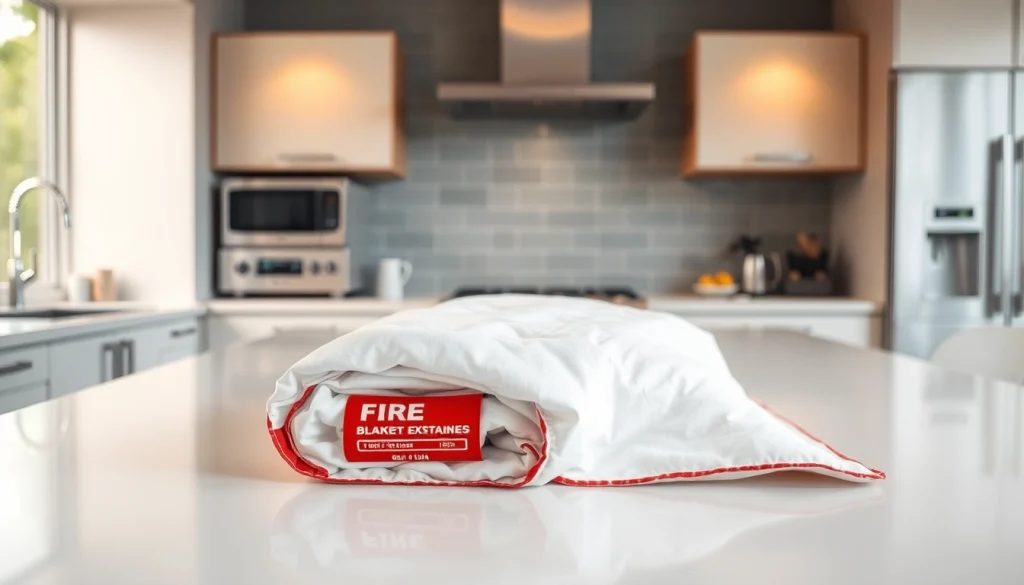
Understanding the Importance of Fire Blankets
Fire safety is a critical element in ensuring the well-being of individuals and property alike. One of the most effective and often overlooked tools in fire safety is the fire blanket. These composite safety devices can play a pivotal role in fire prevention and extinguishing small fires before they escalate. Their practical application, coupled with understanding their features, benefits, and maintenance, is essential for households and businesses alike.
What is a Fire Blanket?
A fire blanket is a form of passive fire protection consisting of a blanket made from fire-resistant materials used to smother and extinguish small fires. Typically, these blankets are made of materials such as glass fiber fabric and are encased in a flame-retardant layer, allowing them to withstand high temperatures. Fire blankets are especially effective against small fires caused by flammable liquids or cooking appliances, making them essential safety equipment in settings from homes to industrial applications.
When to Use a Fire Blanket?
The primary function of a fire blanket is to contain and extinguish small, localized fires quickly. Here are situations when the use of a fire blanket is advisable:
- Cooking Fires: Grease fires in kitchens can be efficiently controlled with a fire blanket by smothering the flames.
- Clothing Fires: If clothing catches fire, wrapping yourself in a fire blanket can prevent severe burns and allow for safe extinguishment.
- Small Appliance Fires: Any fire involving small electrical devices can be quickly managed with a fire blanket.
Benefits of Having a Fire Blanket at Home
Incorporating a fire blanket into a home safety plan comes with several advantages:
- Ease of Use: Fire blankets are user-friendly; they require minimal training to use effectively.
- Portability: They are lightweight and can be easily stored in kitchens, living rooms, or garages for quick access.
- No Residue: Unlike fire extinguishers, fire blankets do not leave behind a residue that requires cleanup after use, making them convenient.
- Cost-Effective: Fire blankets are relatively inexpensive compared to other fire safety equipment.
Types of Fire Blankets and Their Materials
Cotton vs. Fiberglass Fire Blankets
Understanding the composition of fire blankets is crucial for selecting the right one for your needs. There are primarily two types of materials used in fire blankets: cotton and fiberglass.
Cotton Fire Blankets: These are made from natural fibers and are often cheaper. While cotton fire blankets can extinguish flames, they may not withstand high temperatures as effectively as fiberglass options.
Fiberglass Fire Blankets: Fiberglass blankets are made from synthetic fibers and tend to provide superior fire resistance. They can withstand higher temperatures and are ideal for industrial and commercial settings.
How Material Affects Performance
The choice of material directly impacts the efficacy of a fire blanket. Fiberglass fire blankets are typically rated to withstand temperatures exceeding 1,000°F, making them suitable for high-risk environments such as kitchens or laboratories. On the other hand, cotton blankets might only handle lower temperatures, making them more suitable for controlled home use where high heat exposure is less likely.
Choosing the Right Fire Blanket for Your Needs
Selecting the appropriate fire blanket depends on various factors, including:
- Setting: Consider where the blanket will be used; industrial environments may require fiberglass options.
- Size: Fire blankets come in various sizes, and the right size for effective coverage depends on the potential fire hazards in your space.
- Safety Certifications: Ensure that the blanket meets safety standards specific to your locality for optimal protection.
How to Properly Use a Fire Blanket
Step-by-Step Instructions for Use
Knowing how to use a fire blanket correctly in an emergency situation can save lives. Here are the steps to follow:
- Remain Calm: Assess the situation before acting. If the fire is too large, evacuate and call emergency services.
- Retrieve the Fire Blanket: Grab the blanket from its storage location. Ensure that it is accessible and easy to pull out.
- Protect Yourself: Hold the blanket in front of you, ensuring you are adequately covered, as flames can spread quickly.
- Smother the Fire: Gently lay the blanket over the flames to cut off oxygen. Do not throw it; this may cause the fire to flare up.
- Leave the Blanket in Place: Allow the fire to be suffocated for several minutes before checking that it is fully extinguished.
Common Mistakes to Avoid
Even with a fire blanket, mistakes can lead to dangerous situations. Avoid these common pitfalls:
- Panic: Keeping calm can prevent hasty decisions that exacerbate the fire.
- Using Water: Never pour water on grease fires as it can spread the flames; use the blanket instead.
- Checking Too Soon: Wait for a few moments after laying the blanket to ensure the fire is fully extinguished.
Safety Tips During an Emergency
While fire blankets are effective, adhering to safety tips can enhance your fire response:
- Evacuate if Necessary: If the fire is uncontrollable, evacuate everyone and call the fire department.
- Keep Pathways Clear: Ensure escape routes are accessible and free from obstruction.
- Practice: Familiarize yourself with the fire blanket and practice procedures regularly as part of your emergency preparedness plan.
Maintaining Your Fire Blanket
Storage and Accessibility Best Practices
Proper maintenance and storage of fire blankets are essential for ensuring they function effectively when needed. Fire blankets should be stored in a readily accessible location, away from direct sunlight and heat sources. Ideal storage options include:
- Wall Mounts: Installing a wall mount keeps the blanket visible and easy to reach.
- Cabinets: Store the blanket in a cabinet that is labeled for quick identification during emergencies.
Regular Inspections: What to Look For
Regular inspections can help ensure that your fire blanket remains in good condition. Check the following:
- Signs of Wear: Inspect for tears, frayed edges, or discoloration that could affect performance.
- Storage Condition: Ensure it has been stored in an appropriate environment, away from moisture and damage.
- Labels and Instructions: Confirm that all identifying information and instructions are clear and readable.
When to Replace Your Fire Blanket
Even fire blankets have a lifespan. You should replace your fire blanket if:
- It has been used in an emergency, even if it appears unchanged.
- Signs of deterioration are present, which could interfere with its effectiveness.
- If your fire safety regulations or standards update, prompting a need for compliant equipment.
Fire Blankets in Different Settings
Home Safety: Kitchen and Living Areas
In domestic settings, kitchens are the most common areas where fire blankets can be invaluable. From stove-top frying to toaster fires, quick response times can minimize risk:
In living areas, having a fire blanket near heating sources or areas with electrical appliances ensures coverage against unexpected fire outbreaks.
Commercial Use: Restaurants and Offices
Restaurants that handle open flames or oils must prioritize fire safety by using fire blankets. In office settings, fire blankets can be strategically placed near electrical equipment prone to overheat, ensuring quick action can be taken if needed.
Travel Safety: Camping and Outdoor Activities
For those who enjoy camping or outdoor trips, carrying a portable fire blanket can be an excellent safety measure. These blankets can help extinguish campfires that get out of hand, offering a crucial line of defense against wildfires.