
Understanding Gold Price Trends: Insights and Market Dynamics
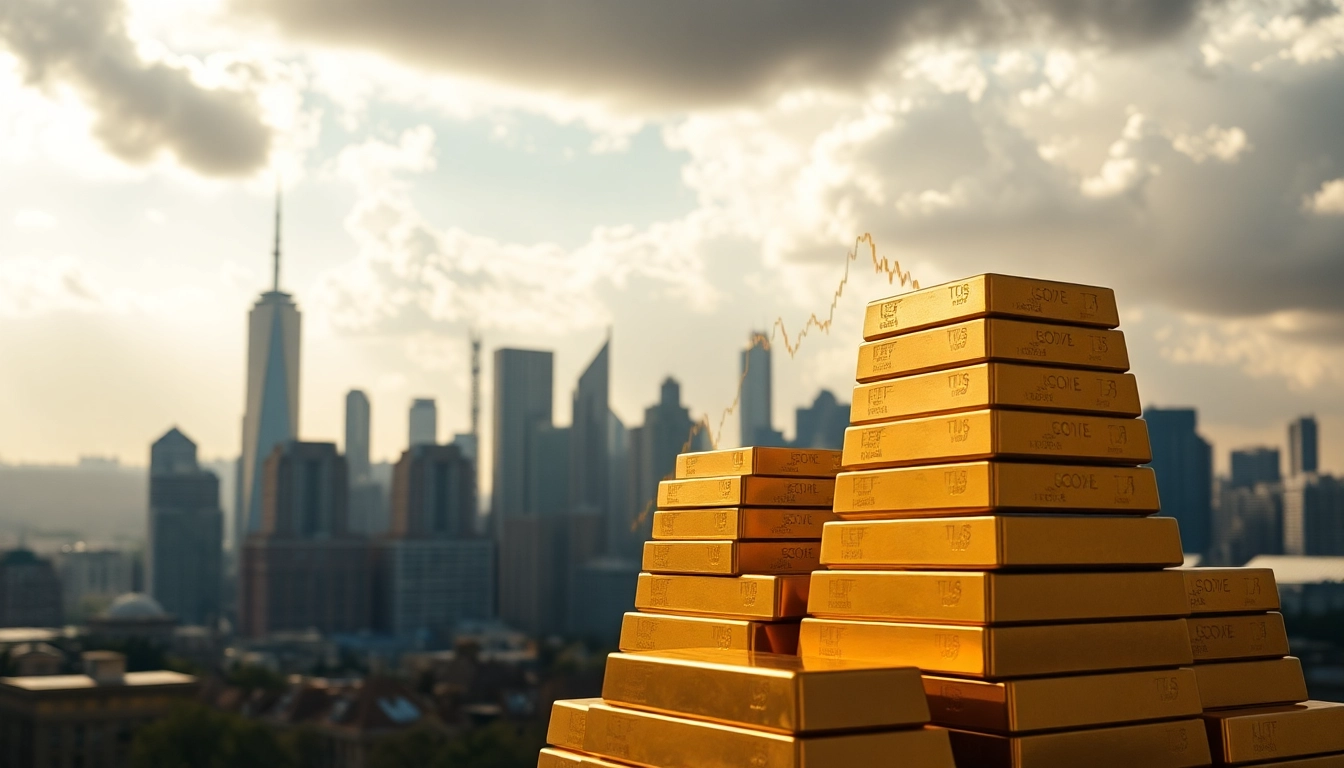
Introduction to Gold Price Dynamics
Gold has been a significant player in the global economy, serving as both a currency and a store of value for centuries. Today, the gold price remains a focal point for investors, traders, and economists alike. Understanding what influences gold price movements can be essential for making sound investment decisions. This article dives deep into the complexities of gold price dynamics, exploring the factors that affect its value, as well as strategies for investing in gold.
What Influences Gold Price Movements?
The gold price is influenced by multiple variables, creating a complex matrix of interrelated elements. Key factors include demand from consumers and investors, central bank policies, inflation rates, and the performance of alternative financial assets such as stocks and bonds. Whenever uncertainty washes over the global market, investors often turn to gold as a safe haven, leading to fluctuations in its price. Moreover, changes in interest rates significantly impact gold prices as they affect opportunity costs—when interest rates rise, the non-yielding asset becomes less attractive, usually leading to a decrease in its price.
The Role of Supply and Demand in Gold Price
Supply and demand form the backbone of any market, including gold. On the supply side, factors such as mining output and recycling contribute significantly to global gold availability. Conversely, demand is driven by several sectors, including jewelry, industrial uses, and investment. Jewelry accounts for a considerable share of global gold demand, with cultures around the world using gold for various ornamental items. As demand fluctuates based on economic conditions, so does the gold price. In times of economic stability, jewelry demand may peak, while during economic downturns, investment demand tends to soar.
Historical Trends in Gold Price Fluctuations
Historical data shows that gold prices have undergone various cycles. Significant events, such as the financial crises and geopolitical tensions, have historically driven gold prices to new highs. For example, during the 2008 financial crisis, many investors sought refuge in gold, pushing its price upwards significantly. Over the decades, these fluctuations have created patterns—long-term investors often analyze these trends to predict future movements. Recognizing how external events, both short and long-term, have influenced gold price history can empower investors to make more informed decisions moving forward.
Factors Affecting Gold Price in Global Markets
The Impact of Currency Values on Gold Price
The value of the U.S. dollar has a strong inverse relationship with gold prices. When the dollar strengthens, gold becomes more expensive in other currencies, leading to decreased global demand. Conversely, a weak dollar typically drives gold prices up as investors look for a hedge against increased inflation and declining currency values. Exchange rates and central bank policies likewise play critical roles in setting the stage for gold price movements. Understanding how currency fluctuations impact gold prices is crucial for any investment analysis.
Geopolitical Events and Their Influence on Gold Price
Geopolitical tensions, such as wars and diplomatic disputes, can significantly affect gold prices. During volatile times, gold is perceived as a safe store of value, prompting increased buying and driving prices higher. Recent events in the Middle East, for example, have often led to spikes in gold prices as investors seek safety amid uncertainty. Analysts closely monitor these geopolitical developments to predict potential price shifts, as sudden geopolitical shocks can create immediate and profound impacts on the market.
Economic Indicators Linked to Gold Price
Several economic indicators play a critical role in influencing gold prices. Key indicators such as the Consumer Price Index (CPI), interest rates, and unemployment rates provide insight into the overall health of the economy. Higher inflation levels typically increase the allure of gold as a hedge against declining purchasing power. Similarly, decreasing unemployment signals economic strength, which may negatively impact gold prices as investors revert to riskier assets. By understanding how these indicators affect gold prices, investors can better anticipate market movements.
Investment Strategies Related to Gold Price
Long-Term vs Short-Term Investment in Gold Price
Investing in gold can be approached with different strategies, primarily classified into long-term and short-term investments. Long-term investors typically buy gold bars or coins, holding onto them until they appreciate significantly. This strategy relies on gold’s historical tendency to retain value over decades. On the other hand, short-term investors usually engage in commodities trading, capitalizing on price volatility for quick profits. Techniques such as technical analysis help short-term traders identify entry and exit points based on price movements.
Diversifying with Gold: Benefits for Portfolios
Incorporating gold into an investment portfolio can provide significant benefits, especially during economic uncertainty. Gold often moves independently from stocks and bonds, serving as a stabilizing asset. When other investments falter, gold’s value can increase, acting as a buffer against market fluctuations. Diversifying with gold can enhance overall portfolio performance and risk management, and seasoned investors typically recommend holding a portion of assets in gold to mitigate potential losses.
Analyzing Gold Price for Future Investments
Investors keen on gold must continuously analyze market trends to make educated decisions. Tools such as Fundamental and Technical analysis can provide insights into potential price movements. Fundamental analysis focuses on high-level macroeconomic indicators and geopolitical events. In contrast, Technical analysis emphasizes price patterns and historical data trends to forecast future movement. By combining these analytical strategies, investors can create a comprehensive view of market conditions, optimizing their gold investment strategies.
Tracking Gold Price: Tools and Resources
Top Platforms for Monitoring Gold Price
Numerous platforms provide real-time data on gold prices, essential for investors looking to make timely decisions. Websites and tools like commodities exchanges offer live tracking of gold prices, along with charts and graphs to analyze trends. Mobile applications also allow on-the-go access, providing alerts for significant price changes. By leveraging these tools, investors can stay updated with the ever-changing gold landscape.
Utilizing Analysts and Reports for Gold Price Insights
Industry analysts produce reports that provide insights and forecasts related to gold prices based on current market conditions. These analyses can inform investment strategies, allowing investors to make data-driven choices. Regularly reviewing expert analyses can provide a competitive edge, as staying abreast of market predictions can help investors capitalize on opportunities when they arise.
How Technology is Changing Gold Price Tracking
Emerging technologies are revolutionizing how investors track gold prices. With advances in mobile technology, investors now have access to real-time data anytime, anywhere. Furthermore, artificial intelligence and machine learning techniques are helping analysts create more accurate models for forecasting gold price movements. These technologies enhance decision-making capabilities, providing additional tools for investors to optimize their strategies and portfolios.
Frequently Asked Questions about Gold Price
What factors most influence gold price changes?
Gold price changes are influenced by supply and demand, geopolitical events, currency values, and economic indicators like inflation. Each factor interacts to create a dynamic pricing environment.
How can I invest in gold price efficiently?
Investing efficiently involves understanding market trends, utilizing tools for tracking prices, and diversifying your portfolio with both physical gold and gold-based financial instruments.
Does gold price rise during economic downturns?
Yes, gold prices often rise during economic downturns as investors seek safety and security in this asset class, driving up demand significantly.
Are there seasonal patterns in gold price trends?
Gold prices can exhibit seasonal patterns, particularly around holidays and festive seasons when jewelry demand peaks, affecting overall market trends.
How is gold price determined in the market?
Gold price is determined by global supply and demand dynamics, impacted by economic indicators, geopolitical events, and trading activity in financial markets.