Neuromuscular Massage Therapy Techniques for Optimal Wellness
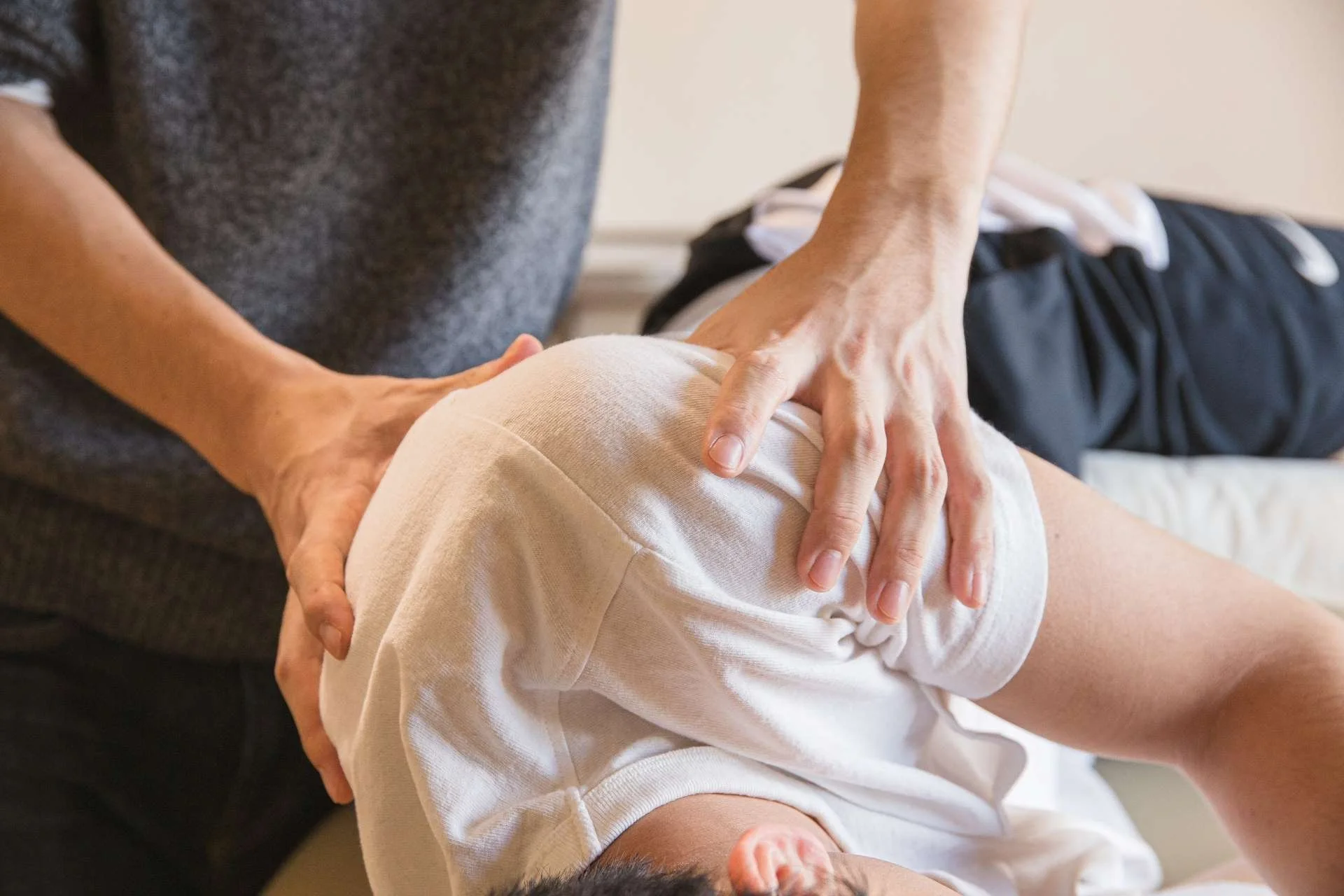
Persistent muscle tension, repetitive strain, and postural imbalances can significantly impact daily life, reduce productivity, and contribute to long-term discomfort or injury. Neuromuscular massage therapy provides a highly targeted approach by addressing the root causes of muscular pain rather than merely masking symptoms. This therapy integrates deep tissue techniques, trigger point therapy, and a detailed understanding of the nervous system to improve blood flow, release chronic knots, restore mobility, and enhance overall functional movement.
Regular sessions help retrain muscles, correct imbalances, and prevent recurring injuries, making it particularly beneficial for individuals with sedentary lifestyles, athletes, or those recovering from physical trauma. When combined with stretching routines, ergonomic guidance, and self-care practices, neuromuscular therapy supports proper alignment, promotes faster recovery, and reduces the risk of future strain. Integrating this therapy into a comprehensive wellness routine can significantly reduce chronic pain, improve posture, boost energy levels, and enhance overall quality of life, establishing it as a proactive and long-term solution for musculoskeletal health.
Key Benefits of Neuromuscular Massage Therapy
By addressing both the symptoms and root causes of muscular discomfort, neuromuscular massage therapy delivers a wide range of physical and mental benefits. Its targeted approach supports overall musculoskeletal health, enhances performance, and promotes long-term wellness.
- Reduces chronic and acute muscle pain caused by overuse or injury: By targeting deep tissue layers and specific trigger points, this therapy alleviates tension and helps prevent recurring discomfort.
- Improves posture by correcting muscular imbalances: Consistent treatment supports proper alignment, reduces strain on joints, and enhances overall body mechanics.
- Enhances blood flow and oxygen delivery for faster recovery: Increased circulation accelerates healing, reduces inflammation, and helps muscles recover more efficiently after strenuous activity.
- Promotes relaxation and reduces stress levels: Gentle yet precise techniques stimulate the nervous system, releasing tension, lowering cortisol levels, and supporting mental well-being.
- Supports long-term mobility and functional performance: By retraining muscles, increasing flexibility, and restoring balanced movement patterns, this therapy improves everyday functionality and reduces the risk of future injuries.
- Complements other wellness practices: Neuromuscular massage therapy works effectively alongside physical therapy, chiropractic care, and exercise routines to create a holistic approach to muscle health.
How Neuromuscular Massage Therapy Works
Neuromuscular therapy begins with a comprehensive assessment to identify trigger points, areas of chronic tension, and muscular imbalances. Therapists use their expertise to apply precise, targeted pressure that releases knots, reduces adhesions, and restores proper alignment, addressing both the symptoms and the underlying causes of discomfort. This process retrains muscles, improves posture, and enhances overall functional movement, helping to prevent recurring pain and long-term strain.
The therapy often incorporates complementary techniques such as deep tissue manipulation, myofascial release, soft tissue mobilization, and occasionally stretching or joint mobilization, all designed to achieve optimal results. Integrating therapy sessions with guided stretching routines, ergonomic adjustments, and self-care strategies empowers individuals to maintain muscle balance, flexibility, and strength between appointments.
Regular neuromuscular therapy promotes long-term muscle health by improving circulation, reducing inflammation, accelerating recovery from physical strain or injuries, and supporting overall musculoskeletal wellness. When included in a holistic wellness plan, it not only alleviates current discomfort but also builds resilience, helping individuals maintain peak physical function and enhance quality of life.
Ideal Candidates for Neuromuscular Massage Therapy
Neuromuscular massage therapy is suitable for a wide range of individuals, from those experiencing everyday muscle tension to people recovering from injuries. Office workers who spend long hours sitting often develop tight hips, rounded shoulders, and chronic neck or back pain, while athletes may experience muscular imbalances or overuse injuries that benefit from targeted therapy. Individuals with persistent neck, back, or shoulder discomfort can find relief through precise techniques that address trigger points and restore proper alignment.
Additionally, this therapy complements other wellness practices such as chiropractic care or physical therapy, supporting holistic recovery and long-term muscle health.
Key Beneficiaries:
- Office workers and sedentary individuals with posture-related tension
- Athletes and active individuals recovering from training or injuries
- Individuals with chronic neck, back, or shoulder pain
- People seeking complementary care alongside chiropractic or physical therapy
Tips for Maximizing Therapy Benefits
To achieve the best results from neuromuscular massage therapy, it is important to combine professional treatment with proactive self-care and lifestyle adjustments. Implementing simple strategies between sessions can enhance muscle balance, improve recovery, and extend the long-term benefits of therapy.
- Schedule regular sessions to maintain muscle balance: Consistency is key to achieving lasting benefits from neuromuscular therapy. Regular sessions help prevent tension from building up in overused or stressed muscles, retrain muscles for proper alignment, and support long-term functional movement.
- Perform recommended stretches at home: Following a therapist’s customized stretching plan enhances flexibility, releases residual tension, and accelerates recovery between sessions.
- Incorporate ergonomic adjustments at work or home: Proper desk setup, supportive seating, and correct posture reduce strain on muscles and help maintain the improvements gained from therapy.
- Stay hydrated to support tissue repair: Adequate water intake is essential for muscle recovery and overall wellness. Proper hydration helps flush out toxins, improves circulation, and supports nutrient delivery to muscle tissues, which accelerates healing after therapy. It also maintains optimal muscle elasticity, reduces cramping, and enhances the effectiveness of neuromuscular therapy.
- Combine therapy with mindful movement or light exercise: Gentle yoga, Pilates, or mobility exercises complement neuromuscular therapy by strengthening supportive muscles and preventing recurring imbalances.
- Track progress and communicate changes: Keeping a journal of pain levels, mobility improvements, and daily activity helps therapists tailor future sessions for maximum benefit.
Conclusion
Choosing neuromuscular massage therapy is a proactive and effective step toward lasting muscle health, improved functional mobility, and overall stress relief. By targeting the root causes of muscular discomfort, this therapy not only alleviates chronic pain but also supports proper posture, enhances circulation, and prevents future injuries. Personalized treatment plans ensure that each session addresses specific needs, making care both safe and highly effective.
Integrating neuromuscular therapy into a wellness routine can complement physical activity, ergonomic adjustments, and self-care practices, creating a holistic approach to long-term musculoskeletal health. Individuals experiencing chronic tension, repetitive strain, or postural issues can benefit significantly from professional guidance. For those seeking targeted relief, enhanced mobility, and improved overall well-being, professional care provides expert solutions tailored to individual goals.
Learn more and explore available services at Living Arts Wellness.