Essential Insights into Metal Roofing: Benefits, Materials, and Installation
Understanding Metal Roofing
What is Metal Roofing?
Metal roofing is a durable roofing solution composed of metal materials that protect homes and commercial buildings from the elements. Known for its longevity and resistance to harsh weather conditions, metal roofing is comprised of various metals, including aluminum, steel, copper, and zinc. As a testament to its performance, many homeowners are increasingly opting for metal roofing as a trusted roofing alternative.
Types of Metal Roofing Materials
Metal roofing comes in different types of materials, each offering unique benefits and aesthetic appeal. The most common types include:
- Steel Roofing: Often galvanized or coated to resist rust, steel roofing is among the most durable and affordable metal roofing options available.
- Aluminum Roofing: Lightweight and resistant to corrosion, aluminum is an excellent choice for coastal areas prone to salt exposure.
- Copper Roofing: Known for its exceptional aesthetics, copper roofing develops a distinctive patina over time, adding character and charm.
- Zinc Roofing: Engineered for longevity, zinc roofing is self-healing and highly corrosion-resistant, making it an ideal choice for prolonged use.
Advantages of Metal Roofing
The growing popularity of metal roofing can be attributed to several advantages:
- Longevity: Metal roofs can last between 40 to 70 years, far surpassing traditional roofing materials.
- Energy Efficiency: Metal reflects solar heat, reducing cooling costs and improving overall energy efficiency.
- Low Maintenance: Metal roofs require minimal maintenance, often needing only periodic inspections and cleaning.
- Environmentally Friendly: Many metal roofs are made from recyclable materials and can be reused at the end of their life cycle.
- Fire Resistance: Most metal roofing materials are non-combustible, offering superior protection against fire hazards.
Choosing the Right Metal Roofing for Your Home
Factors to Consider Before Selection
Choosing the right metal roofing requires careful consideration of various factors:
- Climate Conditions: Evaluate local weather patterns to determine which metal roofing material will withstand the elements effectively.
- Home Style: Consider the architectural style of your home when selecting the type, color, and finish of the metal roof.
- Budget: Set a realistic budget that includes materials, labor, and potential unforeseen expenses.
- Local Building Codes: Be sure to check local regulations and codes that could affect roofing material choices.
Cost Comparison with Other Roofing Types
When comparing metal roofing costs to other types such as asphalt shingles, slate, or tiles, it’s essential to consider both initial costs and long-term savings:
- Initial Investment: Metal roofing may have a higher upfront cost compared to asphalt shingles, but its durability often presents a better value over time.
- Long-term Savings: The longevity and low maintenance of metal roofing can lead to significant long-term savings, offsetting higher initial expenses.
- Energy Savings: Metal roofs can reduce cooling costs, further contributing to overall financial savings.
Environmental Impact of Metal Roofing
In today’s eco-conscious world, understanding the environmental impact of your roofing choice is paramount. Metal roofing stands out for several reasons:
- Recyclability: Many metal roofing materials are made from recycled content and are fully recyclable at the end of their lifecycle.
- Energy Efficiency: Reflective metal roofing helps to reduce heat absorption, which can lead to lower energy demands for cooling.
- Life Cycle Assessment: Studies show that metal roofs have a lower environmental impact over their lifespan compared to traditional roofing materials.
Installation Process of Metal Roofing
Step-by-Step Guide to Installation
The installation of metal roofing can be complex, requiring precision and expertise. Here is a step-by-step guide to ensure a successful installation:
- Preparation: Begin by assessing the condition of the existing roof. Remove old roofing materials if necessary to ensure a solid foundation.
- Install Underlayment: Install a protective underlayment to provide additional insulation and moisture barrier.
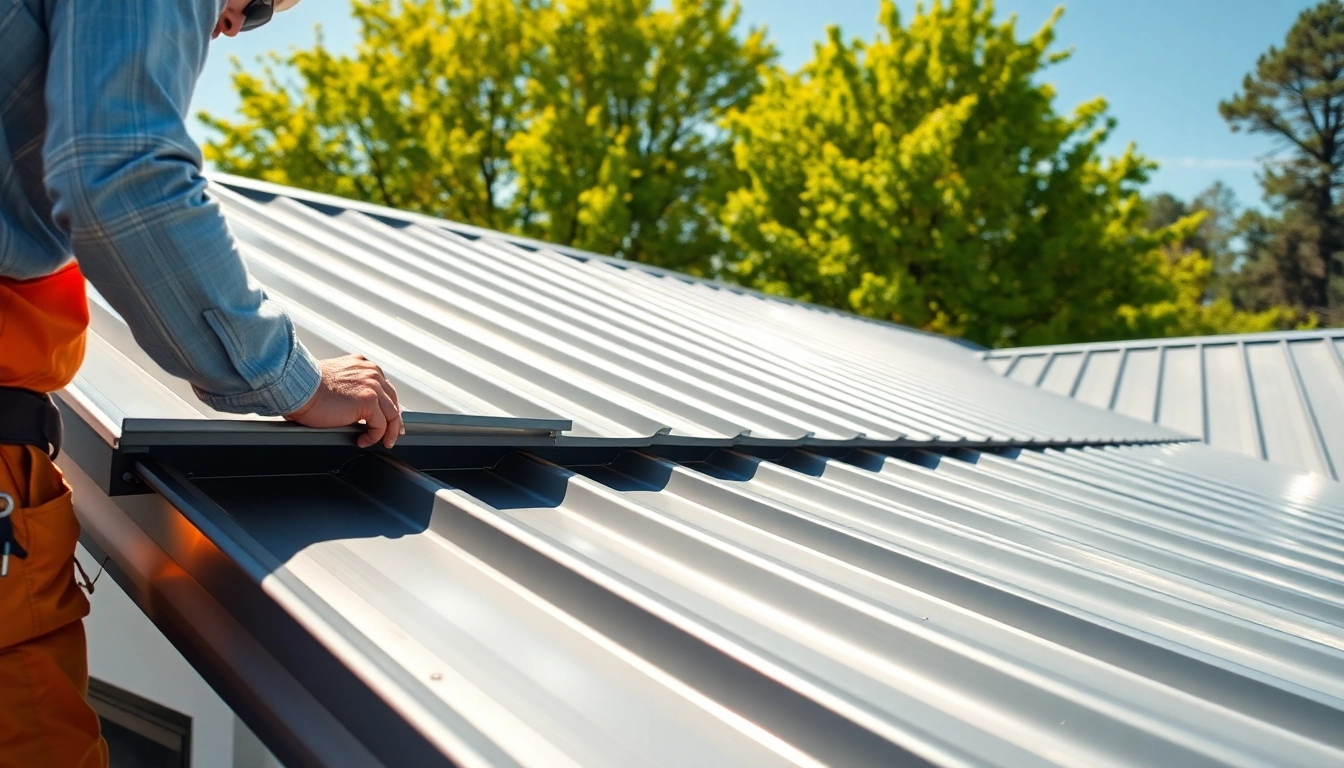
- Attach Metal Panels: Begin laying the metal panels from the eave upward, ensuring proper overlap and alignment.
- Secure with Fasteners: Use appropriate fasteners designed for metal roofing to secure each panel, paying attention to manufacturer specifications.
- Install Flashing and Trim: Finish installation by adding flashing to areas that require extra protection against water infiltration.
Common Mistakes to Avoid
Even seasoned professionals can make mistakes during installation. Here are common pitfalls to watch for:
- Improper Flashing: Ensure flashing is correctly installed to prevent leaks around chimneys and valleys.
- Poor Alignment: Always check that panels are aligned to avoid difficulty in securing fasteners and uneven aesthetics.
- Neglecting Underlayment: Skipping or improperly installing the underlayment can undermine the roof’s integrity.
Best Practices for Long-lasting Results
To maximize the lifespan and performance of your metal roof, consider the following best practices:
- Regular Inspections: Schedule routine inspections to identify and address any signs of wear or damage early.
- Proper Cleaning: Clean the roof surface periodically to remove debris, moss, and algae, minimizing potential damage.
- Use Quality Materials: Prioritize high-quality materials and professional installation to ensure the best long-term results.
Maintenance and Care for Metal Roofing
Regular Maintenance Tasks
To keep metal roofing in prime condition, conduct regular maintenance tasks that include the following:
- Routine Inspections: Inspect the roof at least twice a year for signs of damage or wear.
- Gutter Cleaning: Keep gutters clean to ensure proper drainage and prevent water buildup.
- Check for Rust: Regularly inspect for rust patches and treat them immediately to avoid further deterioration.
Handling Repairs and Damage
In the event of damage, here’s how to effectively remedy the situation:
- Assess Damage: After severe weather or noticeable damage, inspect the roof to determine the extent of the repairs needed.
- Professional Repair: Engage professional services for significant repairs, such as re-seaming or replacing panels.
- DIY Fixes: Minor damages, like small dents, can often be addressed with sealants or patching materials.
Extending the Lifespan of Your Roof
To ensure your metal roofing lasts as long as possible, consider these strategies:
- Invest in Quality: Opt for high-grade metal and coatings to resist corrosion and weather damage.
- Proper Installation: Ensure that your roof is installed correctly, as improper installation can lead to premature issues.
- Maintain Vegetation: Keep trees trimmed to prevent overhanging branches from causing unnecessary wear or damage.
FAQs about Metal Roofing
How long does metal roofing last?
Metal roofing can last 40 to 70 years with proper maintenance, making it a durable choice.
Is metal roofing energy-efficient?
Yes, metal roofing reflects solar heat, helping reduce cooling costs and improve energy efficiency.
Can I install metal roofing myself?
While DIY installation is possible, it’s recommended to hire professionals for best results.
Does metal roofing make noise?
Metal roofing can be noisier than other materials, but proper insulation minimizes sound from rain or hail.
What colors are available for metal roofing?
Metal roofing comes in various colors, allowing homeowners to match their aesthetic preferences.