
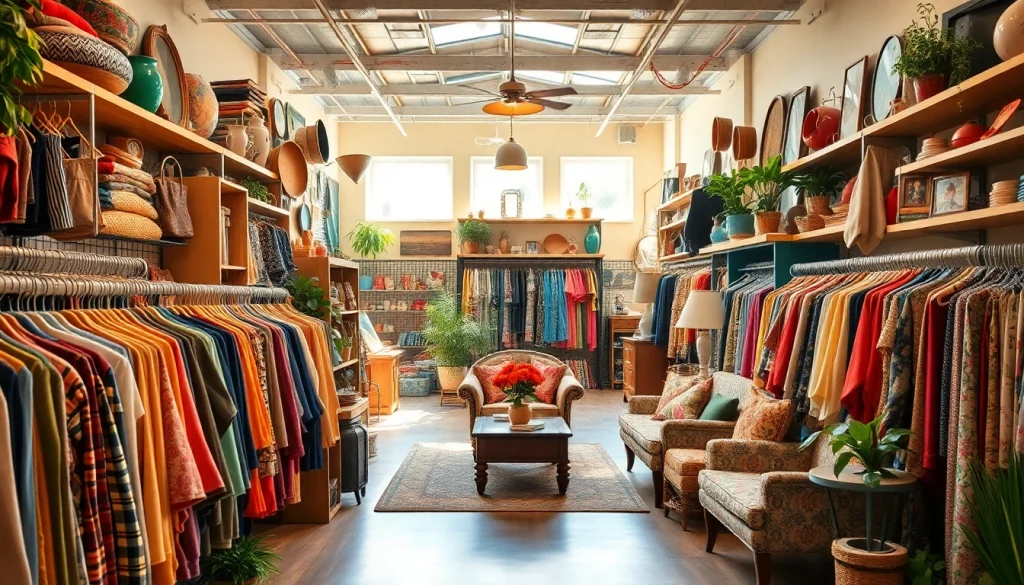
1. What is a Thrift Store?
1.1 Definition and Purpose
A thrift store is a retail establishment that sells secondhand goods. These items are donated by individuals, thrift organizations, and sometimes even businesses. Typically, thrift stores focus on offering affordable clothing, household items, and accessories, making them an ideal choice for budget-conscious shoppers. The primary purpose is to provide affordable goods while promoting reuse and recycling, contributing to a circular economy.
1.2 Historical Background
The origins of thrift stores date back to the 19th century. Initially, charitable organizations started these stores to fund their services, with profits reinvested into the community. The Great Depression further popularized thrift, as people sought affordable alternatives to new items. Over the decades, thrift stores have evolved into significant retail options, embraced for both their affordability and unique stock.
1.3 Benefits of Shopping at a Thrift Store
Shopping at thrift stores comes with numerous benefits. First, it offers substantial cost savings compared to traditional retail outlets. Second, buying secondhand reduces the demand for new products, effectively minimizing environmental impacts associated with manufacturing. Additionally, thrift shopping promotes creativity; unique finds can inspire personal style. Lastly, many thrift stores reinvest profits into local communities or charities, combining shopping with social good.
2. How to Navigate a Thrift Store Effectively
2.1 Tips for Finding Hidden Gems
Unearthing hidden gems at a thrift store can be an exciting adventure. Start by visiting regularly, as inventory often changes. Familiarize yourself with different sections, ensuring you don’t overlook any area. Use a keen eye to assess each item’s condition—sometimes, the most unique finds need a little TLC. Lastly, don’t hesitate to dig through bins or shelves, as treasure could be just beneath a less appealing item.
2.2 Organizing Your Time and Approach
Effective navigation of a thrift store requires strategy. Allocate specific time slots for your visit, ideally during weekdays when stores tend to be less crowded. Prioritize sections by personal interest, such as clothing, electronics, or home décor. Stay patient; browsing can take time, and finding the perfect item isn’t always immediate.
2.3 Knowing What to Look For
Understanding what to search for can maximize your thrift store experience. High-quality materials, unique designer labels, and vintage items tend to hold value and charm. Look for versatile pieces that can be styled multiple ways, ensuring that your purchases can serve various functions in your wardrobe. Recognizing items such as collectibles or rare finds can also make your shopping trip rewarding.
3. Sustainability and Thrift Stores
3.1 Environmental Impact of Thrifting
Sustainability is an increasingly vital issue in today’s culture. Thrift stores play a remarkable role in this by promoting the secondhand market, which effectively reduces waste. Each purchase at a thrift store diverts items from landfills and decreases the demand for resource-intensive new production. Hence, shopping at thrift stores contributes to a more sustainable lifestyle.
3.2 Supporting Local Communities
Thrift stores often contribute a portion of their profits back to local communities. Many well-known charitable organizations run thrift shops, using their revenues to fund programs and services that benefit those in need. By shopping at these stores, you support initiatives that address hunger, education, and healthcare in your community.
3.3 Thrift Store Contributions to Charity
Charitable thrift stores, such as those run by nonprofits, focus on providing community services alongside retail. Profits generated from sales are typically funneled into social programs, enabling a wide range of community support activities. This creates a holistic approach where consumers not only receive great deals but also contribute positively to societal issues.
4. Styling Tips from Thrift Store Finds
4.1 Mixing Vintage with Modern Pieces
One of the joys of thrift shopping is the potential for unique combinations in styling. Mixing vintage pieces with modern items allows for a personalized and eclectic aesthetic. Consider pairing a vintage jacket with contemporary jeans or using a classic handbag alongside modern attire. This blend enhances personal style while celebrating the uniqueness of thrifted items.
4.2 Customizing Thrift Store Purchases
Customization is a significant advantage when shopping at thrift stores. If you find an item that almost meets your needs, consider DIY modifications. This could involve simple alterations, like hemming pants or adding embellishments to a sweater. Such personalized touches can elevate thrift store finds to new heights, transforming them into one-of-a-kind treasures.
4.3 Everyday Outfits from Thrift Store Selections
Thrift stores can provide versatile pieces that suit everyday wear. Start by creating a capsule wardrobe composed of mix-and-match thrifted tops, bottoms, and shoes, allowing for effortless outfit creation without breaking the bank. Prioritize basic items in neutral colors that can be layered or accented with bold thrifted accessories.
5. Frequently Asked Questions about Thrift Stores
5.1 How can I tell if a thrift store item is valuable?
To determine the value of thrift store items, research the brand, condition, and market demand. Rare vintage pieces or designer labels typically have higher resale values. Utilizing online resources can provide insight into specific item’s market trends.
5.2 Are all thrift store items used?
While many items in thrift stores are used, some are new or gently worn, often donated by businesses or overstock sales. These new items might be perfect for buyers looking for fresh options without the retail price tag.
5.3 How often do thrift stores restock their inventory?
Thrift stores generally restock regularly, often daily or weekly, depending on donation frequency and store policies. Visiting frequently increases your chances of snagging new treasures as shelves are constantly refreshed.
5.4 Can I donate to thrift stores?
Absolutely! Most thrift stores welcome donations of clothes, furniture, and household items. Donating not only declutters your space but also supports the store’s mission to provide affordable goods to the community.
5.5 Do thrift stores offer online shopping?
Some thrift stores have embraced e-commerce and offer online shopping options, allowing customers to browse and purchase items from home. Check local store websites for availability and offerings.