
Mental Health Tips for Better Sleep, Focus, and Mood
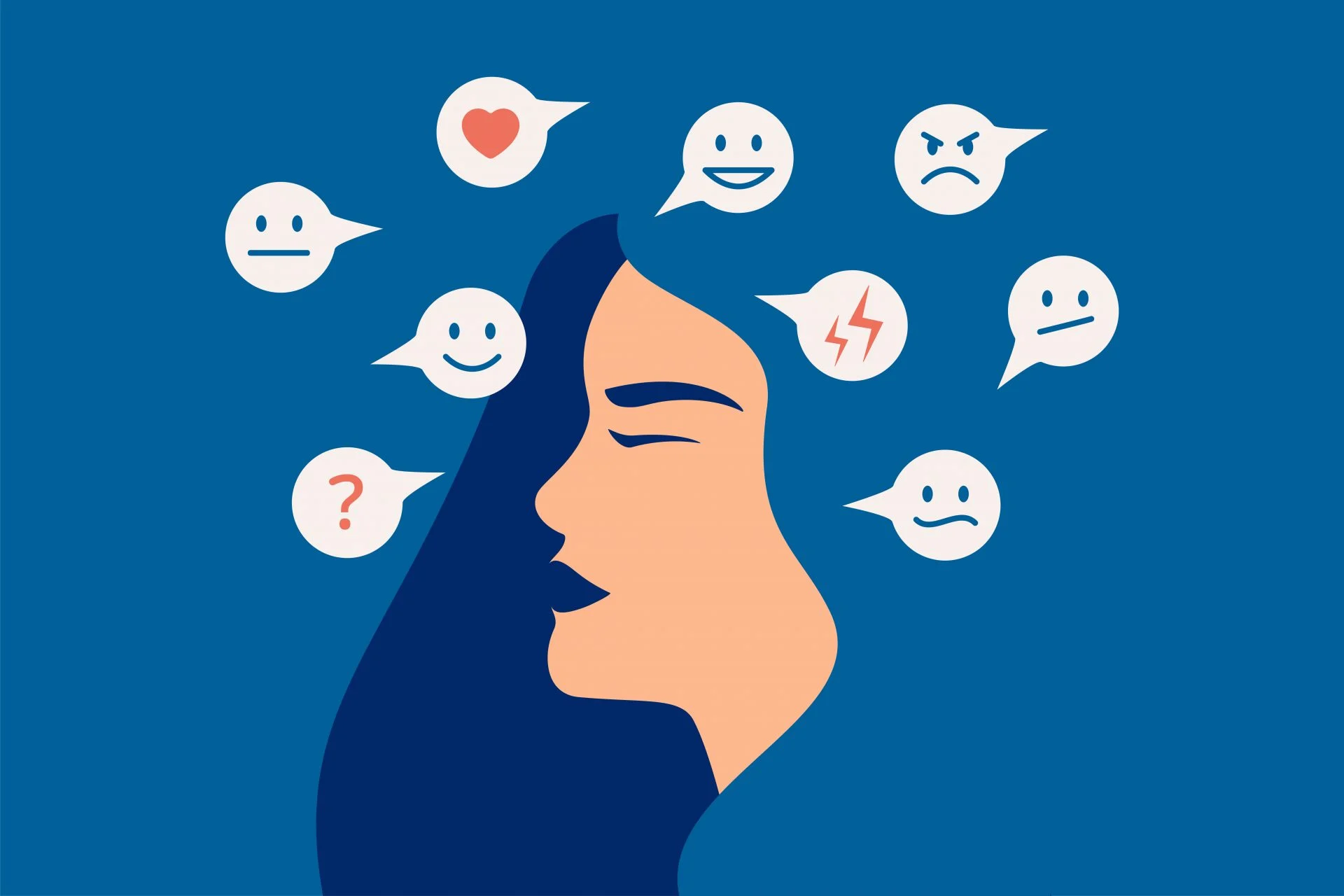
Achieving consistent mental clarity, emotional stability, and restorative sleep is essential for overall wellbeing. At Calm Minds Hub, we emphasize practical Mental health tips that support better sleep, improved focus, and a balanced mood. Integrating these strategies into your daily routine can enhance cognitive performance, reduce stress, and foster emotional resilience.
The Connection Between Sleep, Focus, and Mood
Why Sleep Matters
Quality sleep is fundamental to emotional regulation, memory consolidation, and physical health. Chronic sleep deprivation disrupts brain function, increases irritability, and heightens vulnerability to stress and anxiety.
Focus and Cognitive Performance
Cognitive focus allows individuals to process information efficiently, make decisions, and manage tasks effectively. Poor sleep, high stress, and mood disturbances impair attention, memory, and productivity.
Mood Regulation
Emotional stability is closely linked to sleep quality and mental focus. Lack of restorative sleep or chronic fatigue often leads to mood swings, irritability, and reduced resilience to daily stressors.
Evidence-Based Mental Health Tips for Better Sleep
Establish a Consistent Sleep Schedule
Going to bed and waking up at the same time every day helps regulate the circadian rhythm. Consistency enhances sleep quality and supports overall mental clarity and emotional balance.
Create a Restful Sleep Environment
A calm, dark, and quiet bedroom promotes restorative sleep. Using comfortable bedding, reducing light and noise, and maintaining a moderate room temperature enhances relaxation and improves sleep efficiency.
Limit Stimulants Before Bedtime
Reducing caffeine, nicotine, and alcohol intake in the evening prevents disruptions in sleep patterns. Choosing herbal teas or warm water before bed supports relaxation and prepares the body for restful sleep.
Practice Relaxation Techniques
Engaging in calming activities before bed, such as deep breathing, meditation, or gentle stretching, reduces stress and prepares the mind for sleep. Regular practice enhances both sleep quality and emotional balance.
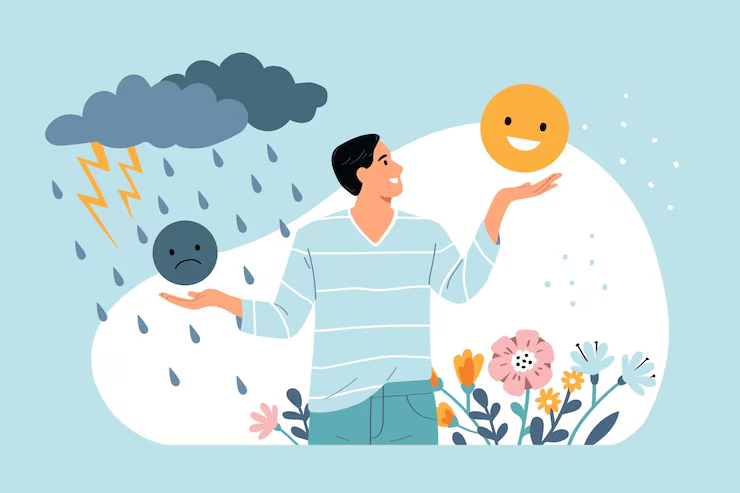
Strategies to Improve Focus
Mindfulness and Meditation
Mindfulness meditation strengthens attention and awareness, allowing individuals to stay present and reduce cognitive distractions. Short daily sessions improve focus, reduce anxiety, and enhance mental clarity.
Break Tasks into Manageable Steps
Structuring work into smaller, achievable tasks prevents overwhelm and improves concentration. Prioritizing tasks and setting realistic goals enhances productivity and reduces cognitive fatigue.
Take Regular Breaks
Incorporating short breaks during work or study sessions restores mental energy. Techniques like the Pomodoro method, alternating focused work with rest periods, improve sustained attention and efficiency.
Minimize Digital Distractions
Reducing notifications, limiting social media, and creating a dedicated workspace supports concentration. Mindful digital use helps maintain focus and prevents mental overload.
Tips for a Balanced Mood
Engage in Physical Activity
Regular exercise releases endorphins, reduces cortisol levels, and improves overall mood. Activities such as walking, yoga, or cycling enhance emotional stability and cognitive function.
Practice Gratitude and Positive Thinking
Focusing on daily achievements, strengths, and positive experiences improves emotional resilience. Keeping a gratitude journal shifts perspective away from stressors, promoting a calmer mindset.
Healthy Nutrition
Eating a balanced diet with whole foods, vitamins, and omega-3 fatty acids supports brain health and mood regulation. Avoiding excessive sugar and processed foods prevents energy crashes and irritability.
Social Connection
Strong social relationships provide emotional support, reduce feelings of isolation, and improve mood. Engaging with friends, family, or support groups enhances emotional wellbeing and cognitive function.
Integrating Mental Health Tips into Daily Life
Morning and Evening Routines
Starting the day with a calming morning routine, such as stretching or mindfulness, sets a positive tone. A structured evening routine focused on relaxation prepares the mind and body for restorative sleep.
Limit Multitasking
Focusing on one task at a time reduces stress, improves productivity, and supports emotional balance. Single-tasking allows deeper engagement and better retention of information.
Creative and Leisure Activities
Engaging in hobbies or creative outlets promotes emotional release, reduces stress, and improves mood. Regularly setting aside time for enjoyable activities strengthens overall wellbeing.
Professional Support
Consulting mental health professionals can provide tailored strategies for improving sleep, focus, and mood. Evidence-based therapies, coaching, or counseling support sustainable mental health improvements.
Conclusion
Applying mental health tips to enhance sleep, focus, and mood is crucial for maintaining overall wellbeing. Evidence-based practices, lifestyle adjustments, and mindful routines contribute to emotional stability, cognitive performance, and restorative sleep. Consistently integrating these strategies allows individuals to navigate daily life with clarity, resilience, and a balanced mindset. We update our homepage regularly with new features and highlights.
FAQs
How can I improve my sleep quality naturally?
Establishing a consistent sleep schedule, creating a calm sleep environment, limiting caffeine and alcohol before bedtime, and practicing relaxation techniques can naturally enhance sleep quality.
What are effective ways to boost focus throughout the day?
Mindfulness meditation, breaking tasks into smaller steps, taking regular breaks, and minimizing digital distractions improve concentration, mental clarity, and productivity.
How can I maintain a stable mood daily?
Engaging in regular physical activity, practicing gratitude, maintaining a balanced diet, fostering social connections, and dedicating time to hobbies support a positive and balanced mood.