
GHK-CU Peptide Benefits: A Research-Based Overview
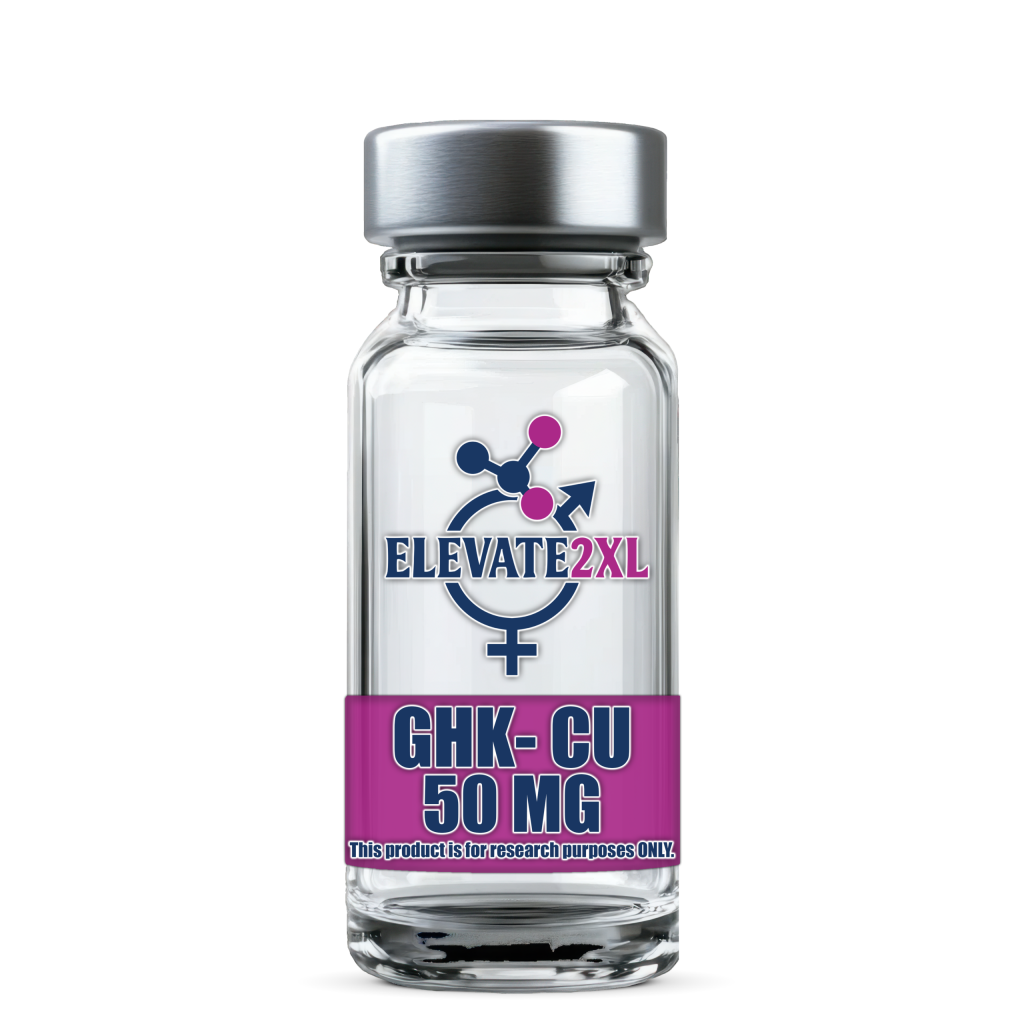
GHK-CU is a naturally occurring copper-binding peptide that has gained extensive attention for its regenerative and therapeutic potential. Found in human plasma, saliva, and urine, GHK-CU plays a vital role in tissue repair, cellular communication, and overall biological health. Research has increasingly focused on the multiple benefits of GHK-CU, making it a key molecule in regenerative medicine, dermatology, and anti-aging applications.
GHK-CU and Skin Regeneration
One of the most significant benefits of GHK-CU is its impact on skin health. GHK-CU stimulates collagen and elastin production, improving skin elasticity, firmness, and hydration. By regulating genes involved in tissue remodeling and antioxidant defense, GHK-CU enhances the skin’s ability to repair itself. Studies indicate that GHK-CU can reduce fine lines, promote healing of minor wounds, and improve overall skin texture, making it a valuable component in cosmetic and therapeutic formulations.
Hair Health and Follicle Support
GHK-CU also benefits hair growth and follicle integrity. Research has shown that GHK-CU strengthens hair follicles, prolongs the anagen (growth) phase, and may help reduce hair thinning. By stimulating cellular activity in the scalp, GHK-CU ensures optimal nutrient delivery and structural support to hair follicles. These effects highlight the peptide’s importance in maintaining healthy hair and preventing age-related hair loss.
Cellular Repair and Regeneration
Beyond skin and hair, GHK-CU promotes overall cellular health. GHK-CU activates fibroblasts, keratinocytes, and other regenerative cells, enhancing tissue repair and renewal. It also regulates genes associated with inflammation, oxidative stress, and extracellular matrix production. These mechanisms make GHK-CU a powerful peptide for promoting cellular repair, maintaining tissue integrity, and supporting long-term regenerative health.
Wound Healing Properties
Scientific studies emphasize the role of GHK-CU in wound healing. The peptide accelerates tissue repair by increasing fibroblast activity, stimulating angiogenesis, and reducing oxidative stress. Additionally, GHK-CU modulates inflammation to create an optimal environment for healing. These properties make GHK-CU an effective tool for post-surgical recovery, chronic wound management, and overall tissue regeneration.
Anti-Aging Benefits
The regenerative properties of GHK-CU translate directly into anti-aging benefits. GHK-CU reduces inflammation, enhances antioxidant defenses, and stimulates collagen production, which helps maintain youthful tissue function. Regular use or application of GHK-CU has been linked to improved skin appearance, reduced hair thinning, and increased tissue resilience, reinforcing its role as a key peptide in anti-aging research and therapies.
Research and Future Applications
Ongoing studies continue to explore new therapeutic applications of GHK-CU. Researchers are investigating innovative delivery methods such as topical creams, injections, and combination therapies to maximize the peptide’s regenerative potential. With its ability to influence multiple cellular pathways, GHK-CU is poised to play an increasingly important role in regenerative medicine, dermatology, and systemic health interventions.
Conclusion
GHK-CU is a versatile copper peptide with well-documented benefits for skin, hair, and overall cellular health. By promoting collagen synthesis, enhancing hair follicle function, and supporting cellular repair, GHK-CU contributes to tissue regeneration and anti-aging effects. Scientific research continues to validate the therapeutic and cosmetic applications of GHK-CU, making it a cornerstone molecule in regenerative science and modern health solutions.