Advanced Railroad Engineering for Industrial & Freight Rail
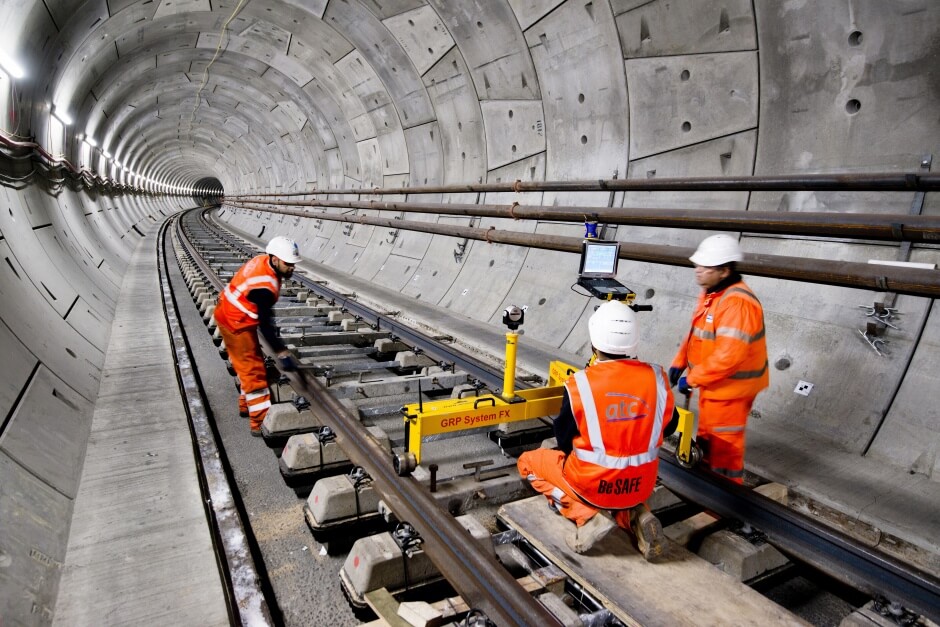
Railroads have long been a critical component of industrial and freight transportation, providing efficient, reliable, and high-capacity movement of goods across vast distances. At American Track, we focus on advanced railroad engineering, blending modern technology, precision planning, and innovative design to support industrial and freight rail networks. This article explores the essentials of Railroad Engineering, its significance in industrial logistics, and how modern techniques are shaping the future of freight rail systems.
Understanding Railroad Engineering
Railroad engineering is the discipline dedicated to the design, construction, operation, and maintenance of railway systems. It involves a combination of civil, mechanical, and electrical engineering principles to ensure that rail networks are safe, efficient, and capable of handling heavy freight loads. From track alignment and rail materials to signaling and bridge design, every element of railroad engineering is meticulously planned to support the long-term reliability of the system.
Modern railroad engineering goes beyond basic track construction. It includes designing advanced rail junctions, integrating automated signaling systems, and employing materials that reduce wear and tear on both rails and rolling stock. By combining engineering expertise with cutting-edge technology, industrial and freight rail operators can achieve enhanced performance and safety.
Track Design and Alignment
One of the core aspects of railroad engineering is track design and alignment. Proper track design ensures smooth and safe travel for freight trains, reduces maintenance costs, and increases operational efficiency. Track alignment involves planning the path of the railway to optimize travel time, minimize sharp curves, and avoid unstable terrains. Engineers also consider soil conditions, drainage systems, and environmental factors to enhance track longevity.
Industrial rail networks often deal with heavy freight loads, which require reinforced tracks and substructures. Using advanced materials like high-strength steel rails and concrete ties is a common practice in modern railroad engineering. This ensures that freight trains can operate at higher speeds while minimizing the risk of track deformation or failure.
Bridges, Tunnels, and Supporting Structures
In addition to tracks, railroad engineering encompasses the construction of bridges, tunnels, and other supporting structures. These elements are essential for maintaining continuous rail connectivity across challenging landscapes, such as rivers, mountains, and urban areas. Engineering teams analyze load capacities, environmental impacts, and durability to create structures capable of supporting heavy industrial rail traffic for decades.
Advanced techniques in railroad engineering also incorporate seismic analysis, corrosion-resistant materials, and prefabricated modular designs. Such innovations allow industrial and freight rail systems to operate safely even under extreme conditions, ensuring uninterrupted logistics operations.
Signaling and Communication Systems
Efficient rail operations rely on robust signaling and communication systems. In railroad engineering, these systems control train movements, prevent collisions, and maintain schedule adherence. Modern freight rail networks employ automated signaling, GPS-based train tracking, and centralized control centers to optimize traffic flow. By integrating intelligent transportation systems, railroad engineers enhance safety and reduce delays across industrial corridors.
Moreover, advanced communication networks support predictive maintenance programs. Sensors along tracks and rolling stock collect data in real time, enabling engineers to anticipate wear and address potential issues before they disrupt operations. This proactive approach is a hallmark of contemporary railroad engineering.
Maintenance and Sustainability
Maintenance is a critical aspect of railroad engineering, especially for industrial and freight rail lines that experience heavy usage. Regular inspections, track replacement, and component upgrades are essential for ensuring system reliability. Modern maintenance strategies leverage technology, including drones, automated inspection vehicles, and real-time monitoring systems, to detect problems early and reduce downtime.
Sustainability has also become a priority in railroad engineering. Engineers now consider energy-efficient locomotives, environmentally friendly construction materials, and optimized routing to reduce carbon emissions. Industrial and freight rail systems are increasingly designed to minimize environmental impact while maintaining operational efficiency.
Future Trends in Railroad Engineering
The field of railroad engineering continues to evolve with emerging technologies. High-speed freight trains, autonomous operations, and AI-driven traffic management systems are becoming integral to modern rail networks. Industrial rail operators are adopting these innovations to improve efficiency, reduce costs, and meet growing demand for fast, reliable cargo transport.
Furthermore, predictive analytics and smart infrastructure are reshaping railroad engineering practices. By using data-driven approaches, engineers can optimize track usage, extend the life of components, and reduce maintenance costs while ensuring the safety of freight operations.
Conclusion
In conclusion, railroad engineering plays a pivotal role in supporting industrial and freight rail systems, combining advanced design, innovative technology, and sustainable practices to create safe and efficient networks. From track alignment and structural design to signaling, maintenance, and future innovations, every aspect of railroad engineering is geared toward enhancing performance and reliability. As industrial and freight demands grow, advanced railroad engineering solutions provided by experts at American Track will continue to ensure that rail networks remain robust, efficient, and capable of handling the complex logistics needs of the modern world.