
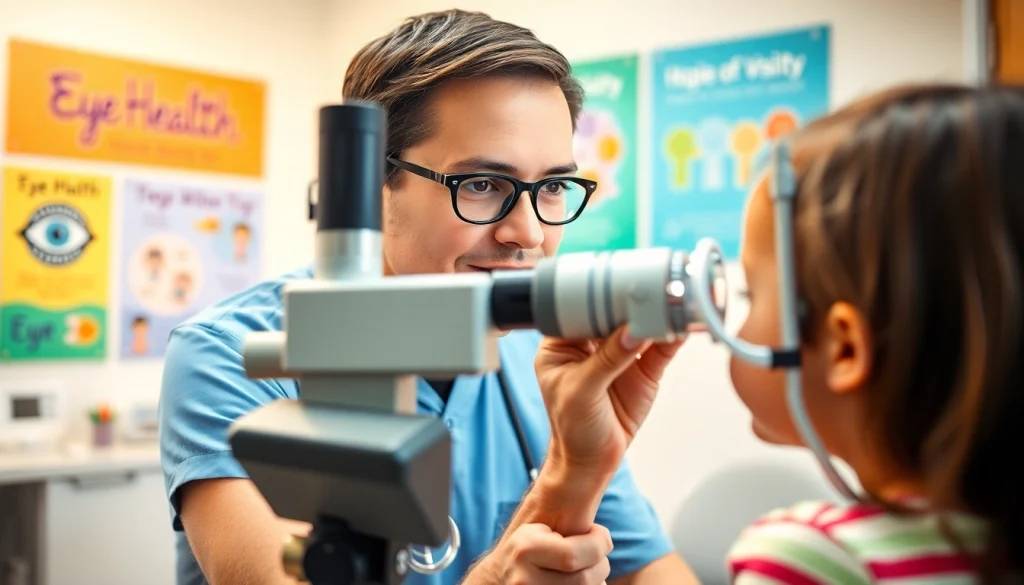
Understanding Our Children’s Vision Needs
Ensuring that every child has access to proper eye care is crucial not only for their health but also for their developmental and educational success. With millions of children facing vision impairments due to lack of access to necessary eye care services, initiatives like Our Children’s Vision are more important than ever. This global campaign serves as a call to action for communities to prioritize eye health and support impactful solutions for our children.
The Importance of Early Eye Care
The foundation of proper vision begins during early childhood. Early eye care plays a critical role in the healthy development of children. Research shows that undiagnosed vision problems can lead to difficulties in learning, social interactions, and even mental health issues. Regular eye examinations for children are vital to detect any issues as early as possible; this can ensure timely interventions that can prevent long-term consequences.
Common Vision Problems in Children
Children may face various vision problems, some of which are more prevalent than others. Common conditions include:
- Myopia (Nearsightedness): Difficulty seeing distant objects clearly.
- Hyperopia (Farsightedness): Trouble focusing on near objects.
- Astigmatism: Blurred vision due to irregularly shaped cornea.
- Amblyopia (Lazy Eye): Poor vision in one eye that is not correctable by glasses.
- Strabismus (Crossed Eyes): Misalignment of the eyes.
It is essential for parents to understand these conditions and their implications, as early detection can significantly improve outcomes.
Signs Indicating Vision Issues
Identifying potential vision problems in children can be challenging, particularly for parents who may not be aware of the signs. Some common indicators that a child may be experiencing vision issues include:
- Squinting or tilting the head to see better.
- Frequent eye rubbing.
- Complaining about headaches related to vision tasks.
- Difficulty reading or doing homework.
- Covering one eye to see better.
If any of these signs are observed, it’s crucial to consult a healthcare professional for an eye examination.
Effective Strategies for Eye Health
Addressing eye health proactively can help to reduce the prevalence of vision-related issues among children. By implementing effective strategies, communities can boost children’s eye health significantly.
Regular Eye Examinations
Regular eye examinations are the cornerstone of maintaining good vision. It is recommended that children have their first comprehensive eye exam at six months of age, followed by additional exams at age three, before entering school, and then every two years thereafter or as advised by an eye care professional. These eye exams can help catch any developing issues early, offering a better chance for treatment and management.
Promoting Healthy Screen Time Habits
In today’s digital age, screen time has become a significant part of children’s lives. While technology can offer educational benefits, excessive screen time can lead to digital eye strain. Some effective strategies for promoting healthy screen time habits include:
- Establishing dedicated tech-free times.
- Encouraging outdoor play and activities.
- Implementing the 20-20-20 rule: every 20 minutes, look at something 20 feet away for 20 seconds.
- Monitoring and limiting the amount of screen time based on age-appropriate guidelines.
Nutritional Contributions to Eye Health
Nutrition plays a pivotal role in eye health. A balanced diet rich in fruits, vegetables, and omega-3 fatty acids can contribute positively to children’s vision. Important nutrients include:
- Vitamin A: Essential for maintaining healthy vision.
- Lutein and Zeaxanthin: Found in leafy greens, they play a protective role in eye health.
- Omega-3 Fatty Acids: Found in fish and nuts, they are believed to support retinal health.
Encouraging children to adopt healthy eating habits from a young age can lead to long-term benefits for their eye health.
Community Initiatives Supporting Our Children’s Vision
Community involvement is essential in addressing the challenges faced in ensuring adequate eye care for children. Various initiatives can make a significant difference.
Awareness Campaigns for Eye Health
Awareness campaigns can educate communities on the importance of regular eye care for children. These campaigns can include workshops, distribution of educational materials, and community events that focus on eye health and prevention of vision problems.
Partnerships with Local Organizations
Collaborating with local health agencies, schools, and non-profits can enhance the effectiveness of eye care initiatives. Such partnerships can provide resources, supports, and a platform to reach more families. Programs that offer free or low-cost eye exams and eyewear can be essential in bridging gaps in access to eye care.
Volunteer Opportunities in Vision Care
Communities can greatly benefit from volunteer programs targeting children’s vision health. Volunteers can assist in organizing vision screenings, educating families, and providing follow-up care. Engaging community members fosters a culture of care and responsibility towards children’s health.
Engaging Families in Eye Health
Families are fundamental in shaping attitudes and practices around eye health. Engaging them effectively can yield significant benefits for children’s vision.
Educational Resources for Parents
Providing educational resources to parents equips them with the knowledge they need to support their children’s eye health. Resources can include pamphlets, brochures, online workshops, and access to visual screening tools that help them identify potential concerns.
Creating a Supportive Home Environment
Creating a home environment that promotes eye health can be pivotal. This includes ensuring appropriate lighting for reading, maintaining a healthy distance from screens, and integrating discussions about eye health into daily family routines.
Utilizing Technology for Eye Health Monitoring
Technology can be leveraged to monitor and enhance eye health. Numerous apps and tools exist that can help parents track their child’s screen time, remind them of eye care appointments, and even provide information on eye exercises. Using technology appropriately can help mitigate risks associated with prolonged screen exposure.
Measuring Success in Improving Our Children’s Vision
Evaluating the effectiveness of initiatives aimed at enhancing children’s vision is critical. Metrics and success stories can provide insights that guide future efforts.
Metrics for Evaluating Eye Health Programs
Establishing clear metrics allows for assessment in various areas such as:
- Number of children receiving eye screenings.
- Improvement in vision among screened children.
- Community engagement rates in eye health initiatives.
By regularly assessing these metrics, programs can refine their strategies and improve overall effectiveness.
Success Stories from Local Initiatives
Highlighting success stories not only celebrates the achievements of initiatives but also inspires other communities to take action. Documenting case studies where children have benefited significantly from eye care programs can galvanize support and encourage participation.
Future Goals for Enhancing Children’s Eye Care
Setting future goals helps keep the momentum going in the mission to improve children’s vision. These can include expanding coverage for eye exams, increasing community awareness of children’s eye health, and advocating for policies that support comprehensive eye care for all children.
In conclusion, addressing the needs of children’s eye health through systematic early care, community support initiatives, and family engagement is vital for creating a brighter future for our children. The mission of Our Children’s Vision serves as an important reminder of the collective responsibility to ensure the healthy development of our next generation.