
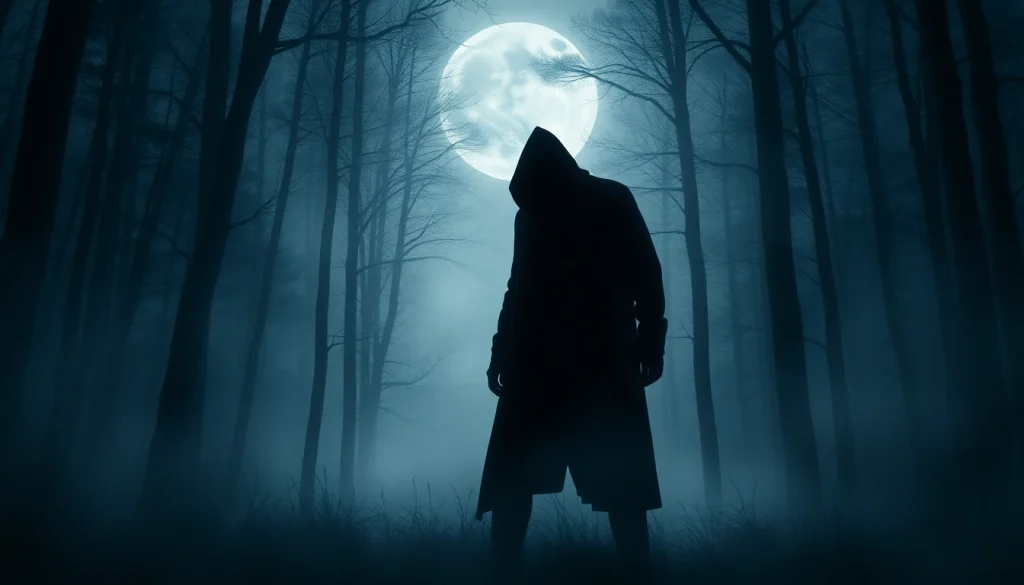
The Essence of Thriller: Understanding Its Core Elements
The Thriller genre has always captivated audiences with its unique blend of suspense, drama, and unexpected turns. From the heart-pounding tension of film noir to the cerebral twists of psychological thrillers, the essence of a thrilling narrative rests on key elements that evoke an emotional response from the reader or viewer. This exploration dives deep into the core components that define the thriller genre.
What Defines a Thriller?
A thriller is a genre designed to elicit excitement and suspense, keeping audiences on the edge of their seats. Thrillers often feature a fast-paced plot, high stakes, and a sense of urgency. Central to a thriller’s appeal is its ability to manipulate time, often compressing events into a short span to enhance tension. Furthermore, a well-crafted thriller creates a psychological journey, inviting the audience to explore the depths of motivation, morality, and fear.
Key Themes in Thriller Narratives
Common themes in thrillers often revolve around betrayal, moral ambiguity, and the quest for truth amidst deception. Characters frequently find themselves in dire situations, forcing them to confront their fears and ethical dilemmas. This exploration of human nature is essential to the genre, allowing readers to connect more deeply with the narrative. Additionally, societal issues such as crime, justice, and human rights abuses often serve as backdrop themes, adding layers of meaning to the story.
The Role of Tension and Suspense
At the heart of any thrilling story lies tension and suspense. Writers employ various techniques to build anticipation, such as pacing, cliffhangers, and the strategic placement of red herrings. The careful balance between revelation and concealment keeps the audience mentally engaged, as they attempt to solve the puzzle presented in the narrative. Ultimately, effective use of tension not only drives the plot forward but also influences the emotional state of the audience, making the experience immersive.
Thriller Genres: A Vast Landscape of Choices
Thrillers are not a monolithic genre; instead, they encompass various sub-genres, each offering distinct narratives and emotional experiences. Understanding the differences among these categories can enhance both the reading and viewing experiences.
Psychological Thriller: Unearthing the Mind’s Depths
Psychological thrillers delve into the complexities of the human mind, often blurring the lines between sanity and madness. These narratives typically revolve around characters with deep psychological conflicts, making readers question what is real. Author examples include Patricia Highsmith and Gillian Flynn, who have mastered the art of combining intricate psychological portraits with suspenseful plots. The emotional stakes are high in psychological thrillers, where the true threat may be the mind itself.
Crime and Mystery Thrillers: The Chase for Justice
Crime and mystery thrillers revolve around the investigation of a crime, usually featuring a detective or amateur sleuth. The suspense lies in unraveling clues and red herrings while piecing together the puzzle behind the perpetrator’s motives. Notable examples include detective novels by Agatha Christie and modern works by authors like Tana French. These thrillers often reflect societal preoccupations with justice, morality, and the implications of crime on the community.
Supernatural Thrillers: Blurring Reality and Fantasy
Supernatural thrillers incorporate elements of horror and the paranormal, weaving together the unknown with suspenseful storytelling. These narratives often feature ghosts, demons, and otherworldly entities that challenge characters’ understanding of reality. Works like Stephen King’s “The Shining” exemplify how supernatural thrillers can heighten fear and unease, tapping into primal human fears regarding the unknown and the afterlife.
Crafting Compelling Characters in Thriller Stories
Strong characters are essential for a gripping thriller. Each character must face internal and external conflicts that drive the narrative forward, adding depth and emotional resonance.
Protagonists: Heroes or Antiheroes in the Thriller Genre
Protagonists in thrillers may range from traditional heroes to morally ambiguous antiheroes. This spectrum creates a complex narrative dynamic, enabling readers to engage with characters on different levels. Examples include classic figures like Sherlock Holmes, who embodies intellect and justice, juxtaposed against darker figures like Dexter Morgan, who blurs the lines between heroism and villainy. These contrasting paradigms allow audiences to grapple with their perspectives on morality, justice, and the human condition.
Villains: The Heart of Thrilling Conflict
A compelling villain is often crucial for the success of a thriller. These antagonists are not merely obstacles; they are embodiments of fear, moral conflict, or societal issues. Their motivations should be layered and complex, evoking both hatred and empathy, as seen in characters like Hannibal Lecter or Anton Chigurh. Creating a memorable villain adds significant depth to the narrative, as their interactions with protagonists culminate in high-stakes confrontations that resonate emotionally with the audience.
Supporting Characters: Adding Depth to the Story
Supporting characters play vital roles in thrillers, enriching the story through their relationships with the protagonist and antagonist. These characters often provide emotional support, serve as comic relief, or introduce subplots that enhance the main narrative. Well-crafted supporting roles, such as the loyal friend or the skeptical colleague, help to create a more immersive and relatable world, thereby elevating the overall storytelling experience.
Plot Structure: Building a Gripping Thriller Narrative
The construction of a thriller narrative involves careful planning and execution to ensure maximum engagement. A well-structured plot enhances the thematic elements and character development.
Setting Up the Conflict: Hooking the Reader
Each thriller must begin with a hook that captures the audience’s attention from the first page or scene. This could be an unforeseen event, an intriguing character introduction, or an ethical dilemma. By establishing a compelling conflict early on, writers create a strong foundation for suspense and tension. Engaging the audience at this stage is crucial, as it sets the tone for the entire narrative.
Developing Twists and Turns: Enhancing Reader Engagement
As the plot unfolds, delivering unexpected twists is vital to maintaining reader engagement. These surprises can be plot revelations, character betrayals, or unfolding secrets that challenge preconceived notions. Successful thrillers, such as “Gone Girl,” exemplify the effective use of twists to enhance suspense, keeping readers guessing until the very end. Crafting these moments requires careful planning to ensure that resolutions come across as both surprising and believable.
Crafting an Unforgettable Climax and Resolution
A thrilling story culminates in a powerful climax where tensions reach their peak. This moment of confrontation should effectively resolve the central conflict while addressing character arcs and themes introduced earlier. Following the climax, the resolution should provide closure but might leave lingering questions or consequences, encouraging readers to reflect on the story’s moral implications. An unforgettable climax not only satisfies the audience but also reinforces the thematic essence of the thriller.
The Impact of Thrillers on Popular Culture
Thrillers have left an indelible mark on popular culture, influencing various forms of media and shaping societal perceptions of suspense, crime, and morality.
Thriller in Literature: A Transformative Influence
Literary thrillers have evolved over time, giving rise to diverse sub-genres and styles. Pioneers like Edgar Allan Poe and Daphne du Maurier laid foundational elements that continue to inspire writers today. Contemporary authors such as Lee Child and Paula Hawkins have brought thrillers into the modern era, using innovative narrative techniques and societal reflections in their work. This evolving literary landscape ensures that thrillers maintain relevance while addressing new challenges and themes.
Thriller in Film and Television: Analyzing Iconic Works
Thrillers in film and television have transcended cultural boundaries, producing iconic works that captivate global audiences. Classics like “Psycho” and modern hits such as “Mindhunter” exemplify the genre’s versatility, adapting various themes and narratives to suit changing societal landscapes. Thrillers have also pushed the envelope in terms of storytelling techniques, employing complex narratives and groundbreaking visual effects, ultimately reimagining what it means to be thrilling.
The Future of Thrillers: Trends and Evolution
The future of thrillers looks promising as genre boundaries blur and storytelling becomes more sophisticated. Hybrid genres, where thrillers intersect with science fiction, fantasy, and even romance, are gaining popularity. Moreover, the rise of psychological awareness in storytelling reflects society’s growing interest in character-driven narratives that explore deeper themes. Audiences are increasingly seeking out thrillers that challenge their perceptions, delivering not only excitement but also thought-provoking content.