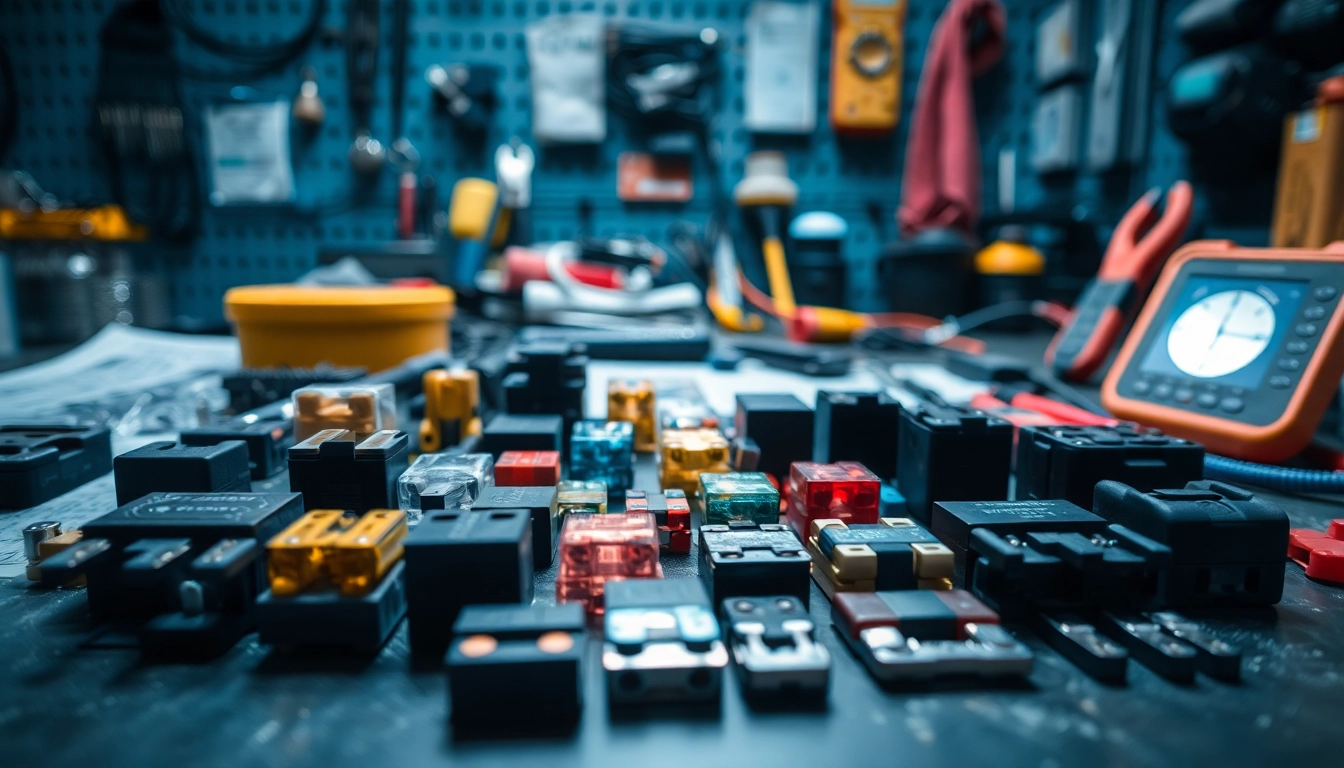
Understanding Automotive Fuses
Automotive fuses are integral components in vehicle electrical systems, designed to protect wiring and devices from potential damage caused by electrical overloads or short circuits. They act as safeguard devices, limiting the amount of current that flows through electrical circuits. To better understand how these components function, let’s dive into their types, the significance of choosing the right fuse for your vehicle, and the common issues associated with them.
What are Automotive Fuses?
An automotive fuse is a protective device that disrupts the flow of electrical current when it exceeds a predetermined level. This action prevents overheating and potential fires in the wiring harness of your vehicle. Automotive fuses are usually found in fuse boxes, which serve as the distribution points for electrical components throughout the car's systems, including lighting, ignition, and entertainment systems.
Types of Automotive Fuses
Fuses come in various types and sizes, catering to different applications and current ratings. The major categories include:
- Blade Fuses: Among the most common types, blade fuses are characterized by their plastic bodies and metal prongs. They are easy to replace and come in various amperages.
- Glass Tube Fuses: These cylindrical fuses are less common in modern vehicles but still found in some older models. They provide a clear view of the filament to see if it's blown.
- Mini and Low-Profile Fuses: Designed for specific applications, these are smaller than standard blade fuses and are used in compact spaces.
- Resettable Fuses: Also known as polyfuses or PTCs (Positive Temperature Coefficient), these can reset themselves after cooling down, eliminating the need for replacement after an overload.
- Circuit Breakers: While not technically fuses, circuit breakers serve a similar purpose by reopening the circuit in case of an overload and can be reset manually.
Choosing the Right Fuse for Your Vehicle
Choosing the correct fuse is crucial to ensure the safety and functionality of your vehicle’s electrical system. It’s important to consider the amperage ratings specified in your vehicle's owner manual or the fuse box cover. Using a fuse with a higher amperage than recommended can lead to wiring damage or fire hazards, while using one with a lower rating may blow frequently, causing electrical failures. To maintain safety, always replace a blown fuse with another of the same type and rating. You can explore a comprehensive range of automotive fuse information and dependencies at https://bezpieczniki24.pl.
Common Issues with Fuses
Despite their essential role, fuses can present several issues that may compromise vehicle functionality. Understanding how to identify these issues is instrumental in maintaining optimal vehicle performance.
Identifying Blown Fuses
A blown fuse can often be identified by physical inspection. Many fuses have a transparent casing, allowing you to easily see the broken filament inside. In cases where fuses are not transparent, a continuity test with a multimeter can be employed. If a fuse is blown, it'll show no continuity and needs replacement. Additionally, frequent blowing could indicate deeper electrical problems within the system.
Signs of Electrical Problems in Vehicles
There are several signs that may indicate electrical issues linked to blown fuses:
- Inoperable Electrical Components: If certain features like headlights, windshield wipers, or power windows suddenly stop working, this may be due to blown fuses.
- Dim Lighting: If interior or exterior lights appear dimmer than usual, it could signal electrical instability or a failing fuse.
- Intermittent Electrical Function: Components functioning sporadically can indicate failing or blown fuses.
- Strange Odors or Sounds: Burning smells or unusual sounds from the fuse box could indicate melting wiring or other electrical issues.
How to Replace a Blown Fuse
Replacing a blown fuse is a straightforward process. Here’s how you can do it safely:
- Turn off the Ignition: Ensure the vehicle is off to prevent any electrical shock.
- Locate the Fuse Box: Refer to your vehicle's manual to find the fuse box location.
- Remove the Blown Fuse:Use a fuse puller or pliers to carefully remove the blown fuse.
- Inspect the Fuse: Confirm the fuse is blown by checking for a broken filament or discoloration.
- Insert a New Fuse: Choose a fuse of the same amperage and insert it into the slot.
- Test the System: Once replaced, turn on the vehicle and test the affected electrical system to ensure functionality.
Exploring Relays in Vehicles
Relays serve as crucial components within a vehicle's electrical framework, managing high currents for various electrical devices.
What is an Automotive Relay?
An automotive relay is an electromechanical switch that controls a circuit by opening and closing contacts in another circuit. They are typically used to control high-power devices like headlights, fuel pumps, and motors while being operated by low-power signals from other components, such as a switch or control module.
Different Types of Relays
There are several types of automotive relays, each serving a specific purpose:
- Electromechanical Relay (EMR): These are the most common types, using electromagnetic forces to mechanically switch a circuit.
- Solid-State Relay (SSR): Unlike EMRs, SSRs use semiconductor devices to perform switching without moving parts, allowing for faster switching and longer life.
- Time Delays Relays: These relays operate a circuit after a predetermined time period.
- Temperature Relays: These relays activate circuits based on temperature thresholds.
Function of Relays in Vehicle Electrical Systems
Relays primarily serve to protect vehicle electrical systems by controlling large currents through low-power circuits, preventing damage to switches and other components. This design allows the manufacturer to use lighter wires in the activation circuit, which can be easier to handle and install. Properly functioning relays are crucial for components like fuel pumps and cooling fans, which can draw significant current that a standard switch could not handle.
Diagnosing Electrical Issues
Electrical problems in vehicles can lead to significant inconvenience and potential safety risks. Diagnosing these issues accurately is essential for timely repairs.
Tools Needed for Diagnosing Fuses and Relays
To effectively diagnose electrical issues related to fuses and relays, consider using the following tools:
- Multimeter: A versatile tool used to measure voltage, current, and resistance, helping to check for continuity.
- Fuse Puller: A specialized tool to safely remove fuses from the box without risking damage.
- Wiring Diagrams: Schematics help understand the connections and functions of different circuits in the vehicle.
- Test Light: Useful for checking the flow of electricity in circuits.
- O-Scope or Oscilloscope: For advanced diagnostics, oscilloscopes can visualize electrical signals and help identify problems.
Common Diagnosis Techniques
Diagnostic procedures may vary based on the symptoms but typically include:
- Visual Inspection: Check for frayed or damaged wires, loose connections, or corroded terminals.
- Continuity Testing: Use a multimeter to check for continuity in fuses and relays.
- Load Testing: Evaluate circuits under load conditions to ensure they can handle device requirements.
- Component Swap Testing: If permissible, swapping relays or fuses with known functional ones can help identify faulty parts.
Safety Tips When Working with Electrical Systems
Safety should always be the priority when diagnosing or repairing electrical systems:
- Disconnect the Battery: Always disconnect the negative terminal of the battery to prevent shocks or short circuits.
- Use Proper Tools: Ensure you have the correct tools and safety equipment to protect yourself.
- Understand the System: Familiarize yourself with the vehicle’s wiring diagrams and electrical components before starting any work.
Maintenance Tips for Vehicle Fuses and Relays
Ongoing maintenance is essential to ensure the longevity and reliability of your vehicle's electrical system.
Regular Inspection Practices
Periodic inspections can help catch potential issues before they escalate. Recommended practices include:
- Visual Checks: Regularly inspect fuses and relays for any signs of wear, such as discoloration, melting, or cracking.
- Testing: Utilize a multimeter to ensure continuity and proper function of fuses and relays as part of routine maintenance.
- Clean Contacts: Corrosion can impede functionality, so clean relay and fuse contacts regularly to prevent connectivity issues.
When to Seek Professional Help
If you encounter persistent electrical issues or have doubts about diagnosing and repairing fuses and relays, it's prudent to consult a professional technician. Complex electrical problems can be intricate and might require specialized tools and knowledge that go beyond typical DIY solutions.
Long-term Care for Electrical Components
To ensure long-term durability of your vehicle’s electrical components, consider these practices:
- Use OEM Fuses and Relays: Whenever replacements are necessary, opt for Original Equipment Manufacturer (OEM) parts to maintain reliability and performance.
- Avoid Overloading Circuits: Be mindful of how many electronics you use simultaneously to prevent blowing fuses and overloading relays.
- Document Changes: Keep a record of any changes or repairs made to the electrical system to build a comprehensive history, which can help in future diagnostics.