Understanding Fly Fishing Lines
What Is a Fly Fishing Line?
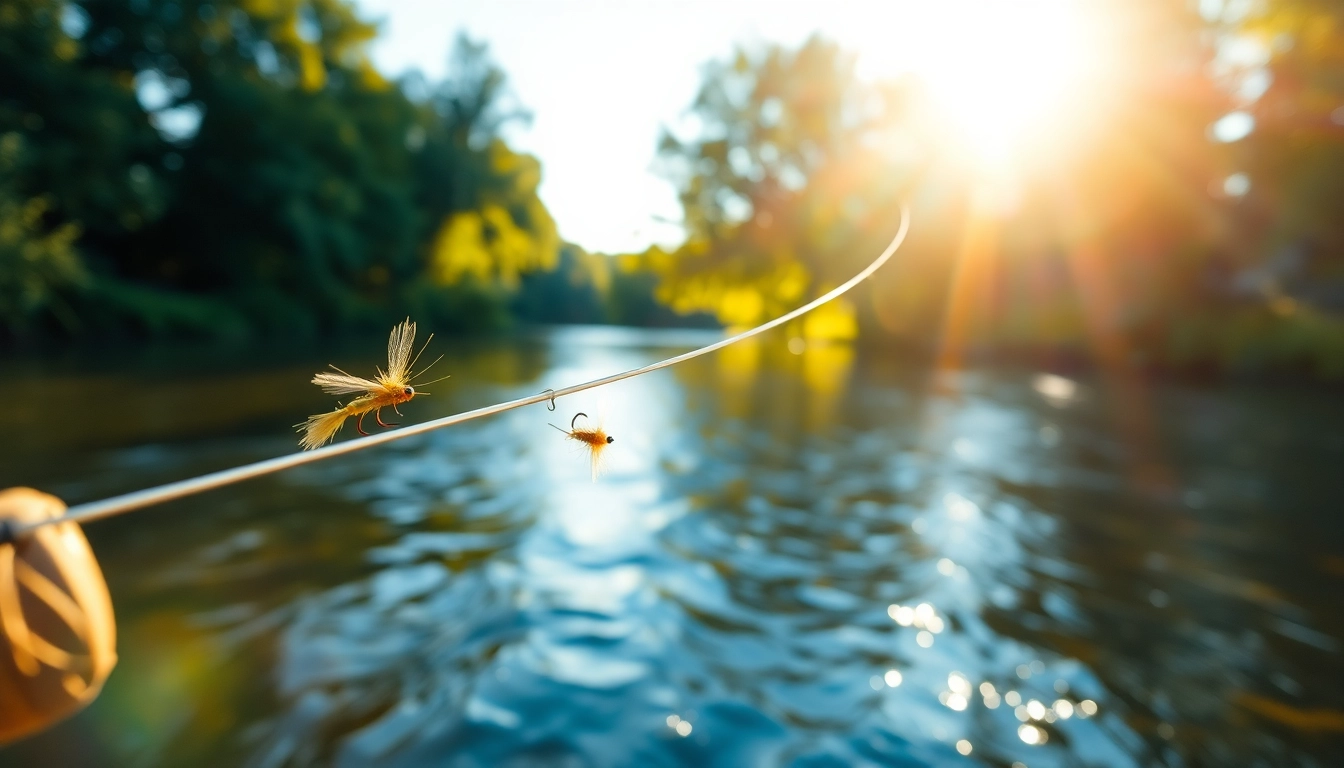
Fly fishing requires specialized equipment, and the fly fishing line is a fundamental component. Unlike conventional fishing lines that use a simple line to cast bait, fly fishing lines are designed to carry the weight of the fly, allowing for more accurate and delicate presentations of the fly to the fish. These lines are typically thicker and heavier than standard lines, with a tapered design that aids in efficient energy transfer during casting. Understanding its material composition, density, and structure is crucial for anglers aiming for successful fishing experiences.
Types of Fly Fishing Lines and Their Uses
There are various types of fly fishing lines available, and each serves a distinct purpose based on fishing conditions and techniques. Here are some common types:
- Weight-Forward Lines: Designed for ease of casting, these lines have most of their weight at the front end, making them ideal for casting short distances and delicate presentations.
- Double Taper Lines: Symmetrical in taper, these lines are perfect for delicate presentations in calm waters and offer consistent performance when casting in both directions.
- Shooting Heads: Composed of a skinny line attached to a heavier shooting line, they allow for longer casts and are beneficial in situations where distance is crucial, such as in large water bodies.
- Cold Water Lines: Specifically designed with materials taut for varying temperatures, these lines perform best in colder environments by maintaining flexibility and responsiveness.
- Floating Lines: These lines are designed to stay on the surface, used primarily for dry flies, where the presentation needs to be on top of the water.
- Sinking Lines: Ideal for deeper water fishing with nymphs or streamers, these lines sink quickly to reach the desired depth.
Choosing the right line type enhances your overall fishing success and experience.
How Fly Fishing Line Affects Casting
The fly fishing line plays a pivotal role in determining your casting technique and overall performance on the water. The line’s weight, taper, and flexibility all influence how it handles during casts. A heavier front section allows for quick loading of the rod, while a lighter back section facilitates better control. The material of the line impacts its ability to float, sink, or carry the fly, which means understanding these parameters can dramatically enhance casting efficiency. Additionally, matching the stiffness of the line to your rod's action ensures a harmonious transfer of energy, significantly improving casting distance and accuracy.
Selecting the Perfect Fly Fishing Line
Factors to Consider When Choosing
Selecting the appropriate fly fishing line can be a daunting task, but focusing on a few critical factors can simplify the process:
- Water Conditions: Consider whether you will be fishing in still or moving water, as this will affect your line choice. For faster currents, sinking lines are often more effective.
- Type of Fly: The size and style of the fly you plan to use will dictate your line type; for instance, larger streamers may require a weight-forward line.
- Rod Action: The action (fast, medium, slow) of your rod influences line selection. A stiffer rod pairs well with heavier lines, while a softer rod may be suited for lighter lines.
- Personal Preference: Individual casting style and comfort with various lines also play a significant role in your choice; experimenting with different types can yield the best results.
Matching Line to Rod and Reel
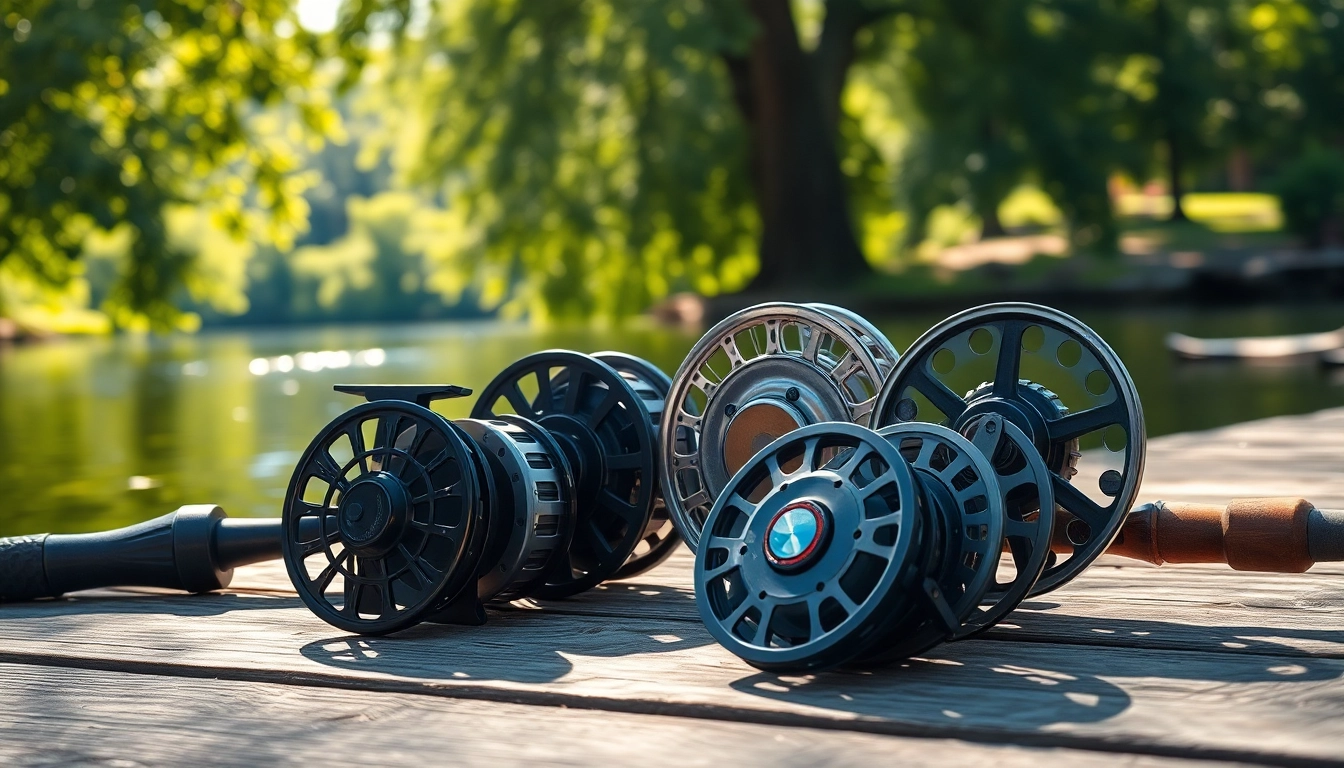
Compatibility between your fly fishing line, rod, and reel is crucial for peak performance. Fly rods typically have a recommended line weight, and selecting a line that matches this designation ensures optimal casting performance. When matched correctly, the rod effectively transfers energy through the line during casts, while the reel can handle the line's weight without compromising its drag system. Professional anglers often cite that the harmony between rod, reel, and line generates a fluid experience, minimizing the risk of tangling or snapping under pressure.
Evaluating Line Weight and Floatation
Fly lines come in different weights, typically ranging from 1 (light) to 14 (heavy), with each weight suiting specific types of fishing scenarios. Evaluating the weight against your fishing conditions is essential; for example, if you're fishing a large river with heavy currents, opt for a heavier line to ensure adequate casting distance and control. Additionally, floatation is a critical characteristic of fly lines. Floating lines help surface presentations while sinking lines target deeper fishing environments. Understanding the necessity of line weight and floatation can significantly affect your catch rates.
Advanced Techniques for Fly Fishing Line Management
Line Maintenance Tips
Proper maintenance of your fly fishing line prolongs its lifespan and performance. Here are some essential tips:
- Clean Your Line: Regularly wash your line with mild soap and water to remove dirt, slime, and debris that can affect casting.
- Inspect for Damage: Regular checks for nicks, abrasions, and other forms of wear will prevent failure during critical fishing moments.
- Store Properly: Avoid unnecessary stress on your line by coiling it correctly or using a line reel when not in use. Store it in a cool, dry location away from direct sunlight.
Effective Line Management in Different Waters
Effective line management hinges on adapting your techniques to the water conditions. In fast water, shorter line management and a ready reel are vital to avoid snagging. Conversely, fishing in calm waters allows for longer casts, permitting more extensive line management techniques, such as using double hauls to enhance distance. Fishing in windy conditions requires additional consideration; it may be necessary to adjust casting techniques or use heavier lines to cut through the wind. Familiarizing yourself with the nuances of line management in various waters helps optimize your fishing experience.
Improving Casting Techniques with Your Line
There are numerous strategies to enhance your casting techniques through thoughtful line management. Begin by familiarizing yourself with your line’s characteristics to understand how it behaves in various situations. The double haul technique, which involves pulling on the fly line using your non-dominant hand during the cast, is particularly effective for generating additional distance. Regular practice in your local fishing area aids in developing muscle memory, enabling smooth transitions between line management and casting while under stress.
Common Challenges with Fly Fishing Lines
Identifying Line Issues
Even seasoned fly fishers encounter line challenges. Common issues include tangling, line twists, and excessive memory from storage. Identifying these problems requires keen observation. A tangle usually manifests as knots or kinks along the length of the line, affecting your casting efficiency. Regular inspection before fishing trips can prevent such difficulties, allowing for prompt resolutions.
Troubleshooting Casting Problems
If casting issues arise, troubleshooting effectively can lead to sustained success on the water. Start by evaluating your technique; poor casts may result from improper rod angle or insufficient line tension. Adjust your casting rhythm and ensure a clean, quick stop at the end of the forward cast to avoid backlash. Using the right line weight also plays a vital role; if your line is too light for your rod, it can lead to underwhelming casts. Take time to assess your gear and practice solutions until each cast feels fluid and effortless.
Dealing with Weather and Water Conditions
Weather and water conditions are paramount considerations in fly fishing. An experienced angler knows to adapt their line strategy based on frequent changes in wind patterns, temperatures, and water clarity. Strong winds often necessitate heavier lines to maintain accuracy. Conversely, warm weather may demand floating lines to improve surface presentations. Understanding these environmental variables can significantly enhance your fly fishing success. Keep track of patterns over time to build out predictive techniques for varying conditions.
Measuring Performance and Success
Tracking Your Fishing Results
To improve your fly fishing results over time, it's essential to systematically track your fishing sessions. Create a fishing journal or utilize mobile applications that allow you to log conditions, catches, and line performance. Regular documentation helps identify patterns that lead to success or failures. By analyzing your data, you can refine your fly fishing techniques and line management strategies accordingly.
Adjusting Techniques Based on Line Performance
Performance evaluation of your line offers valuable feedback for adjusting techniques. If you notice decreased casting distances, consider whether your line weight is appropriate for your rod, or if line maintenance issues persist. Choosing lines better matched to your fishing environment can significantly affect your technique. Stay observant while fishing; recognizing subtle changes in how your line behaves can lead to immediate adjustments that improve outcomes.
Integrating Line Performance with Overall Fly Fishing Strategy
For enhanced outcomes, integrate your understanding of line performance into your overall fly fishing strategy. Develop a comprehensive approach that includes choosing the right line, rod, and technique tailored to specific fishing conditions. Consider working with experienced anglers and participating in workshops to strengthen your knowledge and skills. Regularly revisiting your strategy based on performance data and environmental conditions fosters continuous improvement in your fly fishing endeavors.