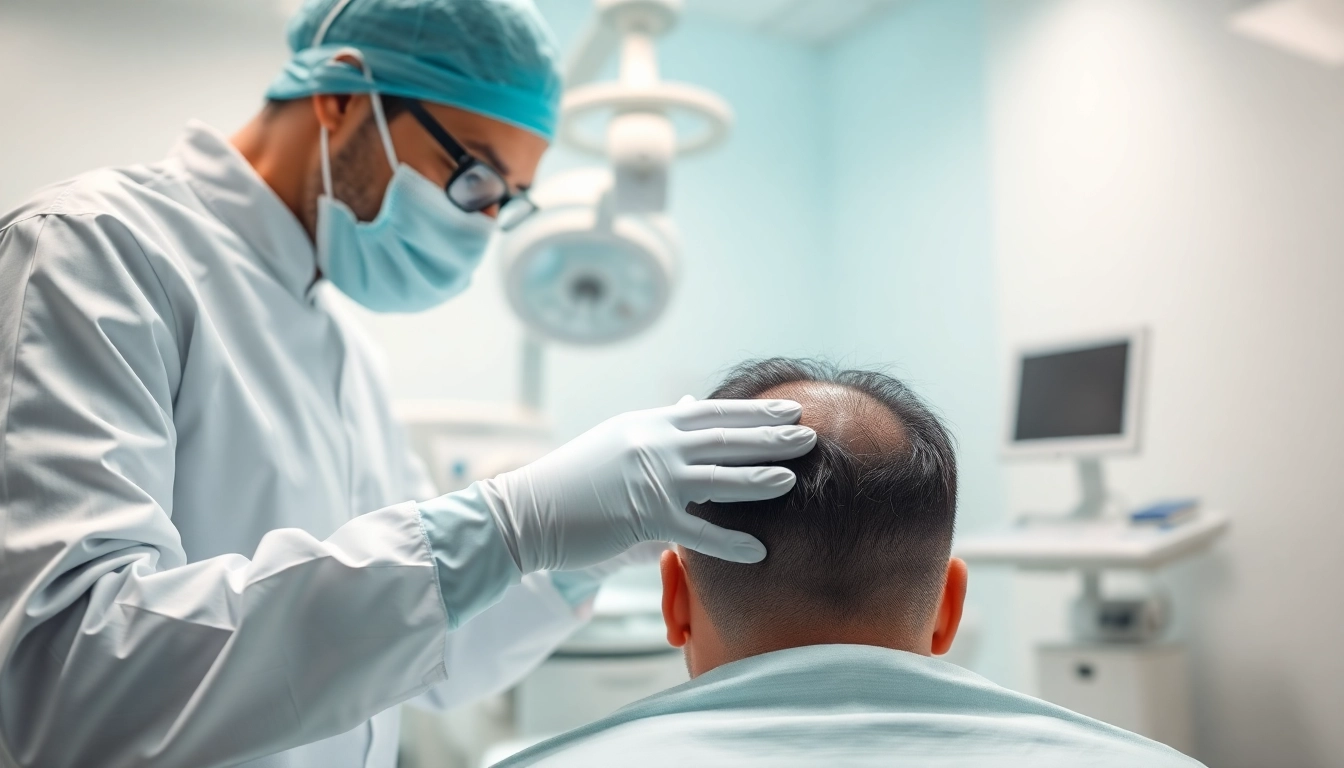
Understanding Hair Transplant Options in Istanbul
The journey to restoring your hair can be as complex as it is personal. For many, a hair transplant istanbul offers a promising solution. Istanbul, renowned for its blend of history, culture, and advanced medical facilities, has emerged as a leading destination for individuals seeking effective hair restoration techniques. The options available in this bustling metropolis are wide-ranging, tailored to meet the diverse needs of patients. In this section, we will explore the different types of hair transplant techniques available in Istanbul.
Different Types of Hair Transplant Techniques
When considering a hair transplant, understanding the various techniques is crucial. Here are some of the most popular methods:
- Follicular Unit Extraction (FUE): This technique involves extracting individual hair follicles from the donor area, usually at the back of the head, and transplanting them to areas experiencing thinning or balding. The benefits of FUE include minimal scarring and a quicker recovery time.
- Follicular Unit Transplantation (FUT): Also known as strip surgery, FUT involves removing a strip of scalp from the donor area, which is then dissected into individual follicular units for transplantation. While this method may leave a linear scar, it is often more suitable for patients requiring a larger number of grafts.
- Direct Hair Implantation (DHI): A more advanced version of FUE, DHI utilizes a specialized pen-like device to insert the follicles directly into the balding area. This technique allows for greater control over the angle and direction of the implanted hair, resulting in a more natural appearance.
These techniques are often chosen based on the specific needs and conditions of the patient. Understanding these options is vital to selecting the appropriate procedure for effective results.
Why Istanbul is a Prime Destination for Hair Transplants
Istanbul's rise as a prime hub for hair transplants is attributed to various factors:
- Medical Expertise: Istanbul boasts a plethora of highly trained, internationally recognized surgeons who specialize in hair restoration. Many clinics employ experienced medical staff who stay abreast of the latest techniques and technologies.
- Cost Efficiency: The cost of a hair transplant in Istanbul is usually significantly lower than in Western countries. Patients can expect to pay between $1,800 and $4,500, a fraction of what clinics in the United States or Europe might charge.
- Comprehensive Services: Many clinics in Istanbul offer all-inclusive packages that cover everything from airport transfers to post-operative care, making the entire experience seamless for international patients.
- Tourism Appeal: Beyond medical services, Istanbul’s historical and cultural offerings enhance the travel experience. Patients can explore exquisite architecture, vibrant neighborhoods, and delicious cuisine during their recovery.
These elements contribute to Istanbul's reputation as a leading destination for individuals seeking quality hair transplant services.
Evaluating the Cost of Hair Transplant istanbul
Understanding the financial aspect of a hair transplant can aid patients in making informed decisions. Prices vary widely depending on the clinic, technique chosen, and the number of grafts required. Here’s a breakdown of what affects costs:
- Technique Used: As previously noted, FUE, FUT, and DHI have varying costs due to the complexity involved and the technology used.
- Number of Grafts: The more extensive the hair loss, the more grafts required, which directly influences the cost.
- Clinic Reputation: Well-established clinics with notable success rates may charge more, but many find that the investment correlates with the quality of results.
The average cost for hair transplants in Istanbul typically ranges from $1,800 to $4,500, making it a more accessible option compared to many Western counterparts. It's advisable to request detailed quotes and inquire about what each package includes to avoid unexpected expenses.
Preparing for Your Hair Transplant Journey
Preparation is a critical aspect of ensuring a successful hair transplant. Being informed about the steps involved can help set reasonable expectations and reduce anxiety.
Consultation Process: What to Expect
The initial consultation plays a pivotal role in the hair transplant journey. During this stage, potential candidates can expect to:
- Discuss their medical history and hair loss patterns.
- Undergo a physical examination to determine the health of the scalp and donor areas.
- Review potential treatment options based on individual needs.
- Receive detailed information concerning the procedure, costs, and post-operative expectations.
This transparent communication fosters trust and helps patients feel more confident in their decisions.
Pre-Operative Considerations for Hair Transplant istanbul
Prior to the surgery, several important pre-operative considerations should be taken into account:
- Avoiding Blood Thinners: Medications and supplements that thin the blood should be avoided several days before the procedure to minimize the risk of excessive bleeding.
- Smoking and Alcohol: Patients are often advised to refrain from smoking and alcohol consumption as these can interfere with healing.
- Hair Care Regimen: On the day of the surgery, patients should avoid styling products and make sure the hair is clean to promote optimal conditions for the procedure.
Following these pre-operative guidelines is essential for optimizing the outcomes of the hair transplant.
Medical and Physical Eligibility for Procedures
Not everyone is an eligible candidate for hair transplants, and several medical considerations must be assessed:
- Scalp Condition: Patients with healthy scalps and adequate donor hair can expect to be strong candidates for surgical interventions.
- Age and Health Factors: Generally, individuals over the age of 25 with stable hair loss are considered ideal candidates. Existing health conditions should be discussed with the surgeon.
- Realistic Expectations: Patients should have a clear understanding of what is achievable. Ideal candidates are those who are mentally prepared for the outcome of surgery.
Consulting with qualified medical professionals helps ascertain individual suitability for various hair transplant options.
The Hair Transplant Procedure Explained
The hair transplant surgery itself can be straightforward, but understanding the process can alleviate apprehension and ensure a smoother experience.
Step-by-Step Guide to Hair Transplant Surgery
The hair transplant procedure typically unfolds in these key steps:
- Preparation: After arrival at the clinic, patients are prepared for the process. This may include changing into surgical attire and receiving local anesthesia to ensure comfort.
- Harvesting Donor Hair: Depending on the chosen technique (FUE/FUT), individual grafts are meticulously extracted from the donor area.
- Preparing Grafts for Transplant: The extracted hair follicles are carefully prepared for implantation, ensuring that quality is maintained.
- Implantation: Tiny incisions are made in the recipient area, and the prepared grafts are implanted with precision.
- Wrapping Up: Once the procedure is complete, the treatment area is bandaged, and post-operative care instructions are provided.
The entire process can take anywhere from 4 to 8 hours, depending on the complexity and number of grafts needed.
Post-Operation Care for Optimal Results
Adhering to post-operative care is crucial for achieving the best results. Patients are generally advised to:
- Keep the scalp clean and avoid strenuous activities for a few days to facilitate healing.
- Follow specific washing instructions and avoid direct sunlight exposure on the scalp.
- Attend follow-up appointments to monitor the healing process and manage any concerns.
Following these guidelines can help patients achieve the desired results and mitigate potential complications.
Common Myths About Hair Transplants in Istanbul
As with any medical procedure, misconceptions about hair transplants can lead to misinformed decisions. Here are some common myths debunked:
- Myth 1: Hair transplants are only for older individuals. Fact: People in their mid-20s can also pursue hair restoration if they experience early hair loss.
- Myth 2: The results are not natural-looking. Fact: When performed by skilled professionals, hair transplants yield natural results matching the patient's original hairline.
- Myth 3: All clinics offer the same level of service. Fact: Quality can vary significantly among clinics; research is essential for selecting a reputable provider.
Dispelling these myths can help potential candidates feel more confident and informed about their hair restoration journey.
Long-Term Results and Maintenance of Hair Transplant
Understanding the long-term expectations for hair transplant outcomes is vital for any prospective patient. While the procedure can yield life-changing results, proper maintenance is essential.
Understanding the Hair Growth Cycle After a Transplant
Post-transplant, it's important to be aware of the hair growth cycle and what to expect:
- Initially, hair may fall out within a few weeks after surgery, leading to what is frequently referred to as "shock loss."
- New hair growth typically begins around 3 to 4 months after the procedure.
- Full results can often be seen within 8 to 12 months, with the hair continuing to improve even beyond one year.
Understanding this cycle can help manage expectations during the recovery phase.
Follow-Up Treatments and Care Instructions
Post-operative follow-up care is crucial to ensure optimal results. Patients should be proactive in adhering to follow-up appointments and any prescribed treatment plans, such as:
- Using prescribed topical treatments or medications to support hair growth.
- Adhering to any specific dietary recommendations that may support hair health.
- Regular check-ins with the clinic to monitor progress and discuss any issues that arise.
Engaging with your healthcare provider during this phase can greatly affect the long-term success of the hair transplant.
Managing Expectations for Hair Transplant Results
Candid discussions with your surgeon about realistic expectations can foster a more satisfying experience. Potential recipients should recognize that:
- The final appearance will not be immediate; patience is key.
- Age, genetics, and overall health can influence results.
- Results can vary by individual; what works for one may not work for another.
Clear and open communication about these factors can empower patients to receive a realistic assessment of what a hair transplant can achieve.
Patient Stories and Testimonials About Hair Transplant Istanbul
Firsthand accounts from individuals who have undergone hair transplants can offer invaluable insight and reassurance. Testimonials provide a realistic picture of the journey and potential outcomes.
Real Experiences from Hair Transplant Recipients
Many hair transplant patients report experiencing a profound boost in self-esteem and satisfaction following their procedures. Stories often recount the transformation not just in looks but in confidence, leading to improved social interactions and professional opportunities.
Success Stories and Before-After Journeys
Documenting the progression from pre-surgery to the final results can be enlightening. Many individuals share their journeys through pictures or in blog posts illustrating their transformation. These visual documents can serve as inspiration and encouragement for others contemplating similar procedures.
How to Choose a Clinic Based on Patient Feedback
Researching patient experiences is integral to choosing the right clinic for a hair transplant. Consider these strategies:
- Seek out reviews on trusted health platforms and forums where previous patients share their stories.
- Look for clinics that provide before-and-after galleries of their work, which can serve as an indicator of skill and artistry.
- Engage in discussions with alumni of the clinics to understand their experiences, including any challenges they faced during decision-making and recovery.
These steps can contribute to making an educated choice, ultimately shaping a positive hair restoration experience.