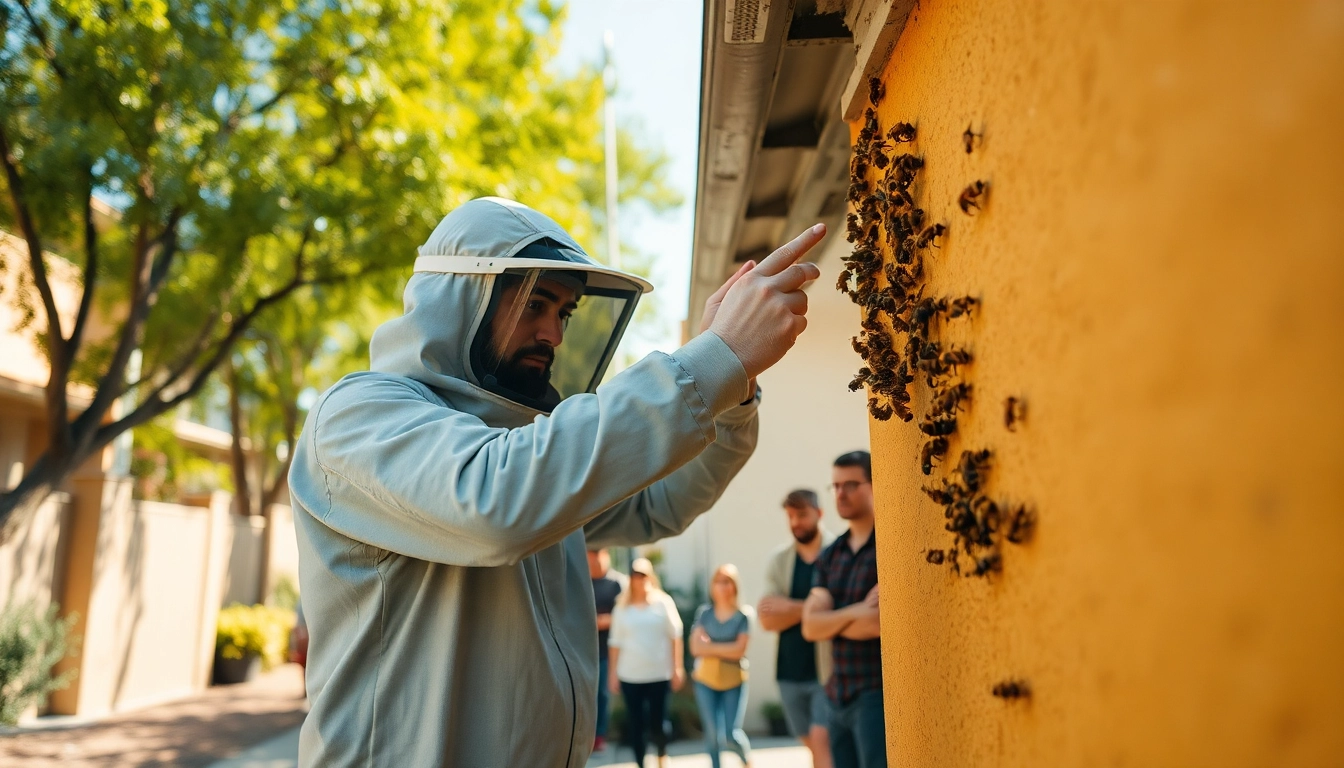
Understanding Live Bee Removal
What is Live Bee Removal?
Live bee removal refers to the humane process of relocating bee colonies from residential or commercial properties without harming the bees. This method prioritizes the safety and well-being of these essential pollinators while helping homeowners address potential infestations. By opting for live bee removal, individuals contribute to environmental sustainability and the preservation of bee populations, which play a crucial role in pollination and biodiversity.
Why Choose Live Bee Removal?
Choosing live bee removal over extermination has multiple benefits, both ethical and ecological. Firstly, bees are vital to ecosystems, contributing significantly to pollination, which is necessary for many plants, including food crops. Secondly, live removal services reduce the risk of bee populations declining, which can lead to severe ecological imbalances. Furthermore, live removal strategies often come with local expertise that ensures bees are placed in habitats conducive to their survival.
The Process of Live Bee Removal
The live bee removal process typically involves several steps:
- Assessment: A trained professional assesses the infestation site to determine the type of bees and the extent of the colony.
- Preparation: The removal team prepares the necessary equipment, which may include protective gear, tools, and a bee box for safe transport.
- Removal: The bees are gently extracted. Techniques may involve vacuuming or manually relocating the bees to minimize distress.
- Rehoming: The bees are relocated to a suitable environment, such as apiaries, where they can thrive without disrupting human habitation.
Common Bee Species Involved
Honey Bees and Their Habitats
Honey bees (Apis mellifera) are among the most commonly removed species due to their prominent role in agricultural pollination. These bees usually establish hives in tree hollows, attics, or structures that provide shelter and warmth. They create intricate honeycomb structures, storing honey and pollen, which becomes their food source during colder months. Their complex social structure includes a queen, workers, and drones, all working harmoniously to maintain the colony.
Other Bees Requiring Removal
While honey bees are the primary focus, other bee species also require removal. These may include:
- Bumblebees: Known for their robust bodies, bumblebees do not usually build large nests. They are efficient pollinators and prefer to nest underground or in abandoned rodent burrows.
- Carpenter Bees: These bees resemble bumblebees but have a distinct shiny abdomen. They create holes in wood to construct their homes, which can be problematic for wooden structures.
- Mason Bees: Less aggressive than honey bees, mason bees are solitary and nest in pre-existing holes. They pollinate various plants and are significant for maintaining biodiversity.
Identifying Swarms vs. Established Hives
Understanding whether you are dealing with a swarm or an established hive is critical for effective removal:
- Swarm: A swarm typically occurs in spring when a subset of bees leaves an existing colony to find a new home. They cluster temporarily while scouts look for a suitable location.
- Established Hive: In contrast, an established hive is a permanent structure featuring a colony that has built comb and stores honey. Removal of an established hive requires more extensive effort and is usually handled by professionals.
Benefits of Professional Live Bee Removal
Safety Considerations
Your safety and the safety of the bees is paramount. Professional live bee removal services come equipped with protective gear and the experience necessary to manage large numbers of bees, minimizing the risk of stings to both humans and bees. They understand bee behavior and employ techniques that reduce stress on the bees, which is vital for successful relocation.
Environmental Impact of Proper Removal
Utilizing professional services for live bee removal helps maintain balance in local ecosystems. By ensuring bees are safely relocated rather than exterminated, you contribute to environmental conservation efforts. Healthy bee populations facilitate pollination, which is essential for agriculture and the sustainability of our food systems.
Long-Term Solutions for Bee Management
Engaging professionals not only resolves immediate bee problems but also offers long-term solutions. Experts can assess your property for potential future infestations, recommend preventative measures such as sealing potential entry points, and provide ongoing support and education about bee behavior, thus empowering homeowners to manage their property more effectively.
DIY vs. Professional Removal
When to Attempt DIY Removal
Some may consider attempting DIY bee removal for minor infestations or swarms. This approach may be appropriate when:
- You have experience handling bees and understanding their behavior.
- The swarm is small, and you can safely encapsulate it without risk.
- You have proper protective equipment and tools.
Risks of DIY Live Bee Removal
Despite the allure of DIY removal, several risks are associated with this approach:
- Inexperience can lead to panic and provoke bees, resulting in stings.
- Improper handling can damage the hive, leading to colony collapse.
- Failure to securely transport the bees can result in them returning to the same spot or posing risks to others.
Benefits of Hiring Experts
Professional bee removal services offer several advantages:
- Expertise in safe handling techniques minimizes risks for both humans and bees.
- Access to specialized tools increases the efficiency and effectiveness of the removal process.
- Post-removal support helps establish measures to prevent future infestations.
FAQs about Live Bee Removal
How much does live bee removal cost?
The cost of live bee removal varies depending on the location, accessibility, and complexity of the hive. Generally, prices range from $100 to $400, with higher costs for extensive infestations.
Is live bee removal safe for the bees?
Yes, live bee removal is designed to relocate bees safely, ensuring their survival and maintaining their ecological role. The process aims to minimize stress and protect the colony during relocation.
Can I remove bees on my own?
While some may attempt DIY removal, it is safer to hire professionals with the right tools and expertise for effective and humane relocation, as this reduces both risk and potential harm to the bees.
What should I do if I find a swarm?
If you encounter a swarm, contact local beekeepers or pest control services specializing in live bee removal for assistance. They can safely relocate the bees and prevent potential risks to you or others.
How can I prevent bees from returning?
After removal, sealing entry points and keeping areas tidy can help prevent bees from reestablishing a hive at the same location. Consider consulting with professionals for additional preventative measures.