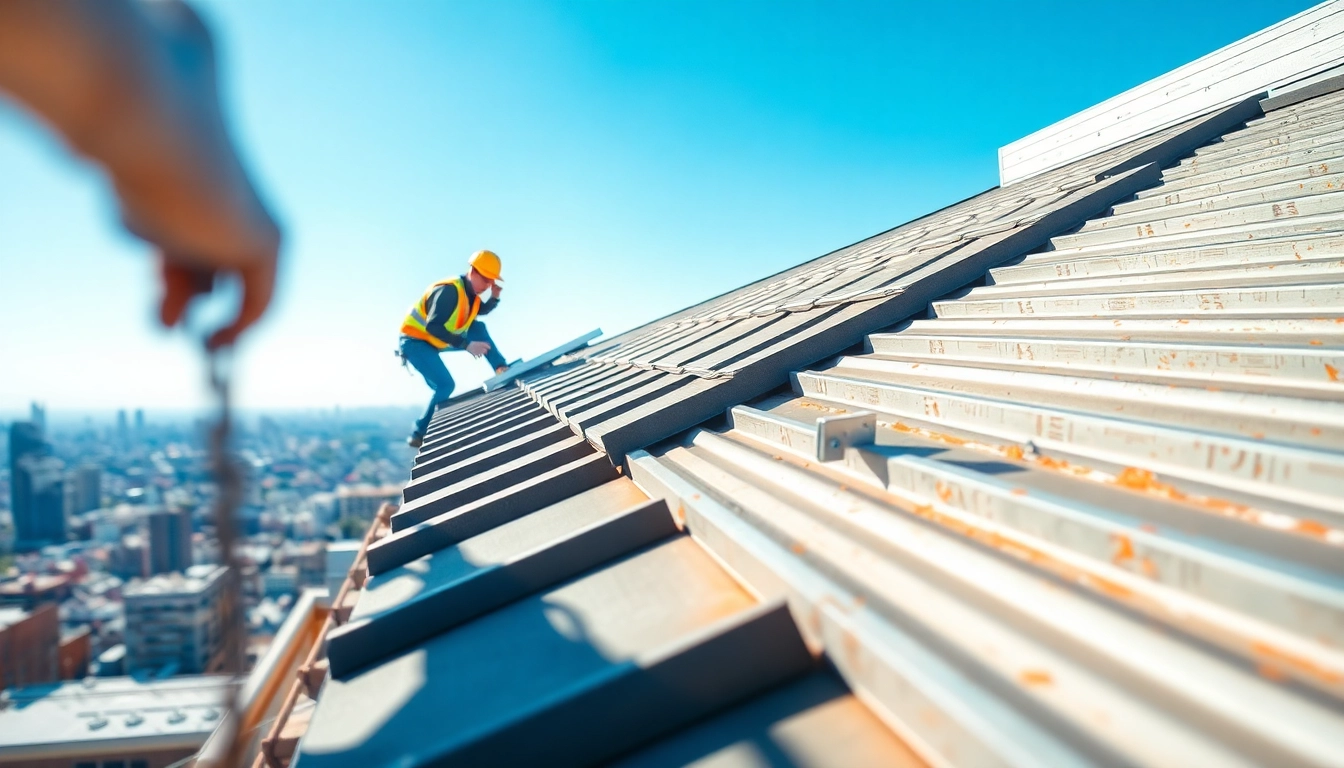
Understanding Commercial Roofing Services
What Are Commercial Roofing Services?
Commercial roofing services encompass a wide range of activities designed to maintain, repair, and install roofs specifically for businesses and commercial properties. These services are crucial for ensuring the integrity and longevity of a building's roof. Unlike residential roofing, which generally deals with smaller structures, commercial roofing covers expansive systems, requiring special techniques and durable materials. Businesses must prioritize reliable roofing to protect their investments, maintain safety, and ensure legal compliance.
From installation to emergency repairs, commercial roofing services involve a comprehensive approach that includes ongoing maintenance, inspections, and adjustments to meet specific business needs. The scale of commercial roofs means that their performance impacts overall building efficiency significantly, making the selection of quality roofing services vital.
Types of Commercial Roofing Systems
There are several types of roofing systems suitable for commercial properties, each offering distinct advantages depending on the specific application and budget. Common types include:
- Built-Up Roofing (BUR): Characterized by multiple layers of bitumen and roofing fabric, BUR is known for its reliability and waterproofing capability, making it ideal for flat roofs.
- Modified Bitumen Roofing: This system incorporates asphalt and is typically applied in rolls. It provides a flexible solution that can bend with the building as it shifts.
- Single-Ply Membrane Roofing: Comprising materials like TPO (thermoplastic polyolefin) or EPDM (ethylene propylene diene terpolymer), single-ply roofs are popular for their ease of installation and energy efficiency.
- Metal Roofing: Available in various metals (steel, aluminum, copper), metal roofs offer durability and aesthetic appeal, with significant long-term savings on maintenance.
- Synthetic Roofing: Often made of materials such as PVC or TPO, synthetic roofs are lightweight yet durable, providing good insulation and sustainability options.
Key Benefits of Professional Roofing
Opting for professional commercial roofing services offers numerous benefits that can influence a business's bottom line:
- Enhanced Longevity: Professional installation and regular maintenance can extend the lifespan of the roof significantly, reducing the need for early replacement.
- Improved Energy Efficiency: Certain roofing materials insulate better than others, leading to energy cost savings and a smaller carbon footprint.
- Increased Property Value: A well-maintained roof adds to the overall value of the property, making it more attractive to potential buyers.
- Compliance with Regulations: Commercial properties often have specific codes or standards to meet. Professional services ensure compliance, avoiding costly fines.
- Insurance Benefits: Insurers may offer lower rates or discounts for properties with professionally maintained roofs.
Choosing the Right Material for Your Commercial Roof
Overview of Common Roofing Materials
Selecting the correct material for a commercial roof is critical to ensure longevity, performance, and cost-effectiveness. The right material often depends on factors such as local climate, roof design, and budget. Each roofing material comes with its own set of pros and cons:
- Asphalt Shingles: Common in low-rise structures, they are cost-effective and easy to replace but may not last as long as other materials.
- Clay and Concrete Tiles: These provide durability and an aesthetic appeal but can be significantly heavier, requiring a robust underlying structure.
- Slate: Known for its natural beauty and longevity, slate is ideal for upscale commercial properties but can be quite expensive.
- EPDM Rubber Roofing: Very effective for flat roofs, it is cost-efficient and strong but may not have the highest aesthetic rating.
Durability and Longevity Considerations
When choosing roofing materials, businesses should consider their durability under local weather conditions:
- Weather Resistance: Materials should withstand local climate extremes, whether heavy rainfall, hail, strong winds, or extreme heat.
- Fire Resistance: Certain materials can provide fire advantages; for example, metal roofs can be beneficial in regions prone to wildfires.
- Maintenance Requirements: Some materials, while durable, require regular upkeep to maintain longevity; assess whether your business can commit to this.
- Life Expectancy: Evaluate the expected lifespan of the material versus its cost to understand long-term financial implications.
Cost Analysis of Roofing Materials
Cost is always a consideration when choosing commercial roofing materials. Here’s a comparative analysis of common roofing options:
MaterialAverage Cost per Square FootAverage LifespanAsphalt Shingles$3 - $615 - 30 yearsMetal Roofing$5 - $1240 - 70 yearsSingle-Ply Membrane$4 - $820 - 30 yearsClay Tiles$10 - $2050 - 100 yearsSlate$15 - $3075 - 200 years
When budgeting for roofing projects, consider both the initial investment and long-term costs associated with maintenance, repairs, and eventual replacement. Understanding these expenditures can lead to more informed decisions about the type of roofing system best suited to your needs.
Signs Your Business Needs New Roofing
Indicators of Roofing Damage
Identifying roofing problems early can save a business from costly repairs and replacements. Here are key indicators that your commercial roof may need services:
- Visible Leaks: Water stains on ceilings or walls are a clear sign that water is penetrating the roofing material.
- Damaged Flashing: Areas where roofs meet walls or chimneys can become compromised; check for rust, gaps, or loose sections.
- Missing or Broken Shingles/Tiles: Regular inspections should reveal whether roofing materials are intact or missing. Replacement is necessary if more than a handful are compromised.
- Ponding Water: Areas where water is collecting and not draining appropriately can lead to wear and eventual leaks.
- Excessive Granule Loss: Companies using asphalt shingles should look for granules in gutters, indicating the shingles are wearing down.
Importance of Regular Inspections
Regular inspections can guide when and how to address roofing issues:
Scheduled inspections should occur at least bi-annually, ideally during spring and fall. Professional roof inspectors possess the training necessary to identify subtle signs of wear that a layperson may overlook.
Consider conducting inspections after severe weather events as well. After high winds, hailstorms, or heavy snow, it is advisable to check for any damages that may have been inflicted by nature.
Impact on Business Operations
Neglected roofing can cause business disruptions:
Water leaks can damage inventory, induce mold growth, and even lead to employee health concerns. Therefore, addressing roofing issues proactively protects a business's financial investments and provides a safe working environment.
How to Select a Reliable Commercial Roofing Contractor
Essential Qualities to Look For
When searching for a reliable contractor, businesses need to consider several essential qualities:
- Experience: Select a contractor with a proven track record in commercial roofing. Ensure they are familiar with the type of buildings and roofing systems relevant to your property.
- Licensing and Insurance: Verify that the contractor is appropriately licensed to work in your state and carries both liability insurance and worker's compensation.
- Client Reviews: Look for testimonials or case studies that showcase previous work, indicating their level of service and reliability.
- Warranty Offerings: A trustworthy contractor should provide warranties on both materials and workmanship, ensuring you are covered for future issues.
Questions to Ask Potential Contractors
Gathering information from potential candidates is key. Consider asking:
- How many projects have you handled similar to mine?
- What materials do you recommend for my roof type and budget?
- Can you provide a detailed written estimate?
- What is your timeline for completion?
- Do you have references I can contact?
Understanding Quotes and Pricing
Understanding quotes can empower businesses to make informed decisions. Ensure that estimates include:
- Material costs
- Labor costs
- Disposal fees for old materials
- Potential extra costs due to unforeseen circumstances
Comparing detailed quotes from different contractors is helpful in assessing the overall value rather than blindly choosing the cheapest option.
Maintaining Your Commercial Roof After Installation
Routine Maintenance Practices
Post-installation maintenance is crucial to enhance the performance of roofing systems:
- Regular Inspections: As discussed previously, conduct periodic checks to catch issues early.
- Debris Removal: Clear leaves, branches, and other debris that could trap moisture and lead to deterioration.
- Maintain Roof Drains: Ensure that gutters and downspouts are clear to promote effective drainage.
Seasonal Preparations for Your Roof
Each season brings unique challenges:
- Summer: Check for heat damage; reflective coatings may be warranted to combat UV rays.
- Fall: Prepare for potential snowfall; inspect for drainage issues.
- Winter: Pay attention to ice dams and snow accumulation.
- Spring: Inspect after winter for any damages from freezing conditions.
Long-Term Care Tips for Commercial Roofing Services
Investing in long-term care enhances durability and protects your investment:
Consider the following tips:
- Select Quality Materials: They might cost more upfront but will save on long-term repair and replacement.
- Establish a Maintenance Contract: Having a contractor on retainer can simplify regular upkeep and emergency response.
- Educate Staff: Train employees to recognize early signs of roofing problems, empowering them to act quickly.
- Document Maintenance: Keep records of inspections and repairs for warranty purposes and insurance claims.
In conclusion, focusing on the appropriate commercial roofing services can influence the overall health of your infrastructure and your operational efficiency. By understanding the types, selecting the right materials, recognizing issues early, choosing qualified contractors, and implementing maintenance practices, businesses are better positioned for long-term success.