Understanding Industrial Water Transfer Services
Industrial water transfer services are essential solutions designed for the effective movement of large volumes of water, often utilized across various sectors, including construction, agriculture, and mining. These services involve extracting water from one location, transporting it through pump systems and pipelines, and delivering it to the specific site where it's needed. With the increasing demand for water due to industrial expansion and environmental considerations, the role of industrial water transfer services has grown significantly, offering solutions that are not only efficient but also aligned with sustainable practices.
What are Industrial Water Transfer Services?
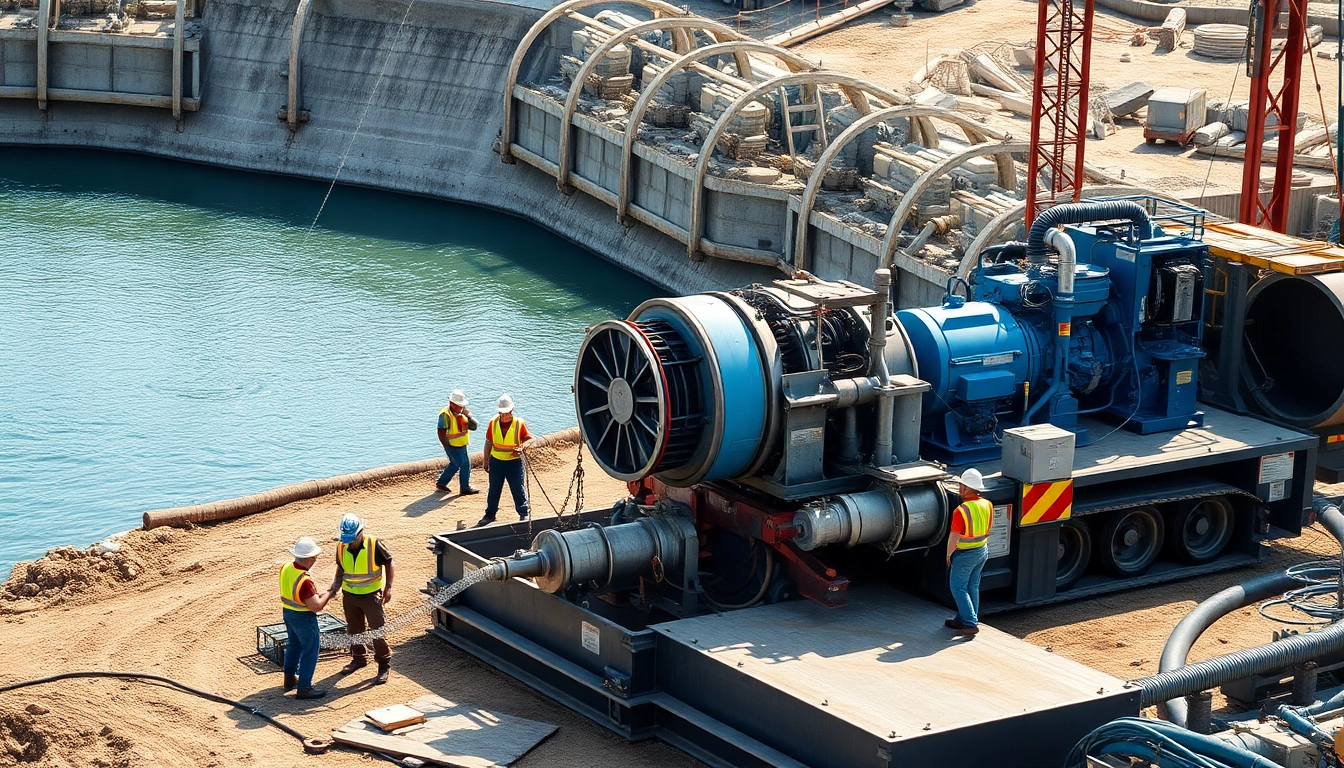
At their core, industrial water transfer services encompass a series of processes and technologies aimed at efficiently transferring water. This can involve both transporting fresh water from natural sources such as rivers and lakes, as well as managing wastewater. The methods used can vary greatly depending on the industry requirements and environmental factors. Typically, these services employ specialized equipment, including pumps, tanks, and pipelines, to facilitate the transfer.
Applications Across Industries
The applicability of industrial water transfer services is far-reaching. In the construction industry, for instance, water is necessary for concrete mixing and dust control. In agriculture, farmers rely on these services for irrigation purposes, especially in regions where water scarcity is prevalent. Similarly, in the mining sector, water is crucial for mineral processing, dust suppression, and environmental management. Additionally, manufacturing plants require consistent water delivery for various processes, making industrial water transfer services vital across many operational frameworks.
Key Benefits of Using These Services
Utilizing industrial water transfer services presents numerous benefits. Firstly, they ensure a reliable water supply, eliminating downtime due to water shortages. Furthermore, effective transfer solutions are designed to be environmentally friendly, utilizing technology that minimizes water loss and complies with regulations. Cost-saving is another significant advantage, as efficient water management can drastically reduce operational costs. Finally, these services enhance productivity by providing timely access to water when and where it is most needed.
Critical Equipment for Water Transfer
Types of Pumps Used in Industrial Water Transfer Services
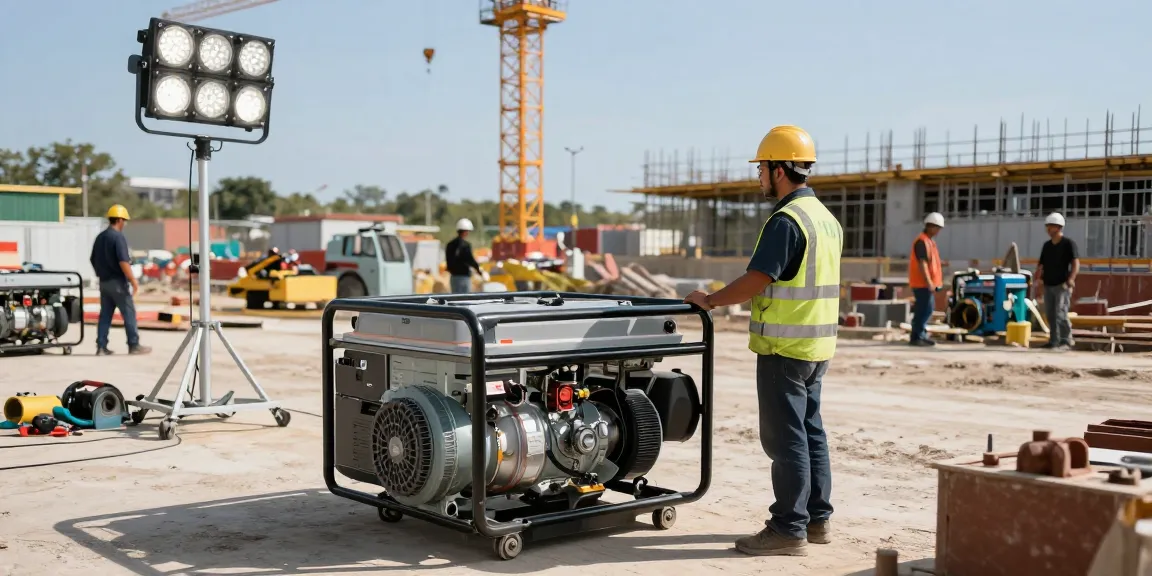
The backbone of any industrial water transfer service is its pumping equipment. Different types of pumps have distinct functionalities suitable for various water transfer needs. Centrifugal pumps are commonly used for low-viscosity fluids and are preferred for their efficiency in moving large volumes of water. Diaphragm pumps, on the other hand, are ideal for handling slurries or thick liquids, while submersible pumps are used when water needs to be lifted from deep sources. The choice of pump significantly impacts throughput and operational efficiency, making it crucial to select the right type for specific tasks.
Importance of Choosing Quality Gear
Selecting high-quality equipment for industrial water transfer is paramount. High-performance pumps and associated components, such as hoses and couplings, ensure smooth operation and longevity. Poor-quality gear can lead to frequent breakdowns, resulting in higher repair costs and operational delays. Additionally, quality equipment is typically designed with energy efficiency in mind, contributing to lower energy consumption and reduced environmental impact. Investing in top-notch equipment is, therefore, not just a matter of reliability but also enhances overall operational efficiency.
Maintenance of Water Transfer Equipment
Regular maintenance of water transfer equipment is essential for ensuring consistent performance and avoiding unexpected failures. This includes routine inspections, timely replacements of worn-out parts, and regular lubrication of mechanical systems. Implementing a preventive maintenance schedule can extend the lifespan of pump systems and reduce the risk of costly downtimes. Moreover, training staff to recognize early signs of wear or malfunction can contribute to proactive maintenance efforts, enhancing the overall reliability of the water transfer process.
Best Practices for Water Transfer Operations
Planning Your Water Transfer Project
A well-thought-out plan is crucial for successful water transfer operations. Key steps involve assessing the water source, calculating the necessary flow rates, and determining the logistics of water delivery to the end-user. It’s also essential to identify any environmental constraints and to ensure that all necessary permits and rights are secured. Engaging stakeholders early in the planning phase can help in aligning goals and strategies, facilitating smoother project execution.
Safety Protocols and Regulations
Safety should always be a priority in industrial water transfer operations. Workers must be aware of and trained on safety protocols, including the proper handling of equipment and emergency procedures. Compliance with local, state, and federal regulations governing water use is also critical. Regular safety audits can help identify potential hazards and ensure that all operational practices are in line with safety standards, thereby protecting both personnel and the environment.
Optimizing Efficiency and Reducing Costs
To optimize efficiency in water transfer services, operators should regularly review and analyze performance metrics. This includes monitoring flow rates, energy consumption, and equipment performance. Implementing real-time monitoring systems can enhance visibility into operations and facilitate timely adjustments. Additionally, fostering a culture of continuous improvement within the team encourages innovative approaches to reducing costs and enhancing service delivery.
Challenges in Industrial Water Transfer Services
Common Issues and Solutions
Despite the numerous benefits, industrial water transfer services face several challenges. One common issue is the variability of water quality, which can affect both the equipment used and the final applications of the water. Regular testing and filtration systems can mitigate these issues. Another challenge includes logistical complications, such as ensuring timely delivery and managing pipeline blockages. Implementing comprehensive planning and utilizing technology for tracking can help address these concerns effectively.
Adapting to Weather and Environmental Factors
Weather conditions can significantly influence water transfer operations. Heavy rainfall, droughts, or freezing temperatures can disrupt water supply and transportation. Establishing flexible operational strategies can help mitigate the impacts of adverse weather. This may involve scheduling adjustments or employing weather-resistant equipment and materials to ensure continuity in operations.
Ensuring Compliance with Environmental Standards
Compliance with environmental regulations is a critical concern when conducting industrial water transfer services. Non-compliance can result in heavy fines and reputational damage. To ensure adherence, it is vital to stay updated on local regulations and environmental best practices. Regular training sessions for all team members can also reinforce the importance of compliance and educate them on emerging regulations and technologies that promote sustainability.
Future Trends in Water Transfer Technology
Innovations Shaping the Industry
The future of industrial water transfer services is poised for transformation through innovative technologies. Advances in pump manufacturing, such as smart pumps that can adjust to changing flow conditions automatically, will enhance efficiency. Moreover, developments in materials technology are leading to more durable pipes and fittings, which reduce maintenance and prolong equipment life. The incorporation of IoT technologies will enable better monitoring and management of water transfer processes in real-time.
Impact of Environmental Sustainability
As environmental concerns gain prominence, the industrial water transfer sector is increasingly focusing on sustainability. Companies are exploring ways to reduce water consumption and waste, including recycling and reusing water within their operations. Moreover, environmentally friendly practices, such as low-impact installation techniques for pipelines, align with broader corporate sustainability goals while enhancing public perception of the industry.
Adoption of Digital Solutions and Automation
The integration of digital solutions into industrial water transfer services is reshaping operational efficiency. Automated systems for pump management, data analytics for performance monitoring, and cloud-based platforms for project management are becoming commonplace. These innovations not only streamline operations but also provide valuable insights into performance metrics that can drive continuous improvement efforts.