Understanding the Importance of Cleaning a Loofah
A loofah is an excellent tool for exfoliating and cleansing the skin, often used in showers and baths to enhance personal hygiene. However, like any other bath product, it can harbor bacteria and other microorganisms if not cleaned regularly. This article will provide you with an in-depth understanding of how to clean a loofah effectively, ensuring both your skincare routine and health remain uncompromised.
Why Clean Your Loofah?
Cleaning your loofah isn't just a matter of aesthetics; it's crucial for maintaining skin health. Over time, loofahs can accumulate dead skin cells, oils, and germs that may lead to skin irritations, infections, or even acne outbreaks. By keeping your loofah clean, you create a safer environment for your skin, ensuring that the exfoliating benefits do not come at a cost to your health.
Signs Your Loofah Needs Cleaning
Several indicators suggest that your loofah requires cleaning. These may include:
- A foul odor emanating from the loofah.
- Visible discoloration or mold growth.
- A slimy texture, indicating a buildup of soap residue and bacteria.
- Reduced exfoliating ability when used.
If you notice any of these signs, it’s time to put your loofah through a thorough cleaning process.
How a Clean Loofah Benefits Skin Health
Regularly cleaning your loofah can have significant benefits on your skin. A clean loofah helps prevent skin irritations and fungal infections, promotes better circulation during use, and ensures that you only apply fresh lather onto your skin. Furthermore, it can be less abrasive and more effective at exfoliation, enhancing the overall bathing experience.
Step-by-Step Guide on How to Clean a Loofah
Basic Cleaning Techniques: Quick and Easy
If you want a rapid cleaning solution, consider these straightforward techniques:
- Daily Rinse: After each use, rinse your loofah thoroughly with hot water to remove soap, oils, and dead skin. Squeeze the loofah to expel as much water as possible, allowing it to dry properly.
- Soap Solution: Mix a few drops of mild soap in warm water. Soak the loofah for about 5 to 10 minutes, rinse it well, and let it dry completely.
Deep Cleaning Methods: Best Practices
For a more thorough clean less frequently, consider these methods:
- Boiling Water: Immerse the loofah in boiling water for a few minutes. This will help kill a significant number of bacteria, but allow it to cool before handling.
- Dishwasher: Place the loofah on the top rack of your dishwasher during a regular wash cycle using hot water and detergent. This method should be used cautiously to avoid damaging the loofah。
- Washing Machine: If machine washing, put it in a mesh laundry bag, add it with towels, and use the hot water cycle with natural detergent.
Natural Cleaning Solutions for Loofahs
If you prefer to go the natural route, consider these solutions that help sanitize without harsh chemicals:
- Vinegar Soak: Soak your loofah in a mixture of one part vinegar and three parts water for at least 15-20 minutes. Rinse thoroughly and allow to dry.
- Baking Soda Paste: Make a paste with baking soda and water, scrub the loofah, let it sit for 10 minutes, then rinse well.
- Essential Oils: Adding a few drops of tea tree or lavender essential oil to your cleaning solutions can help kill bacteria while giving your loofah a pleasant fragrance.
Frequency and Care for Your Loofah
How Often Should You Clean Your Loofah?
Experts recommend cleaning your loofah at least once a week to keep it fresh and free from bacteria. If you use it daily, make sure to rinse it after every shower and perform a deep clean every few uses. The more diligence you have, the better the protection for your skin.
Storing Your Loofah Properly
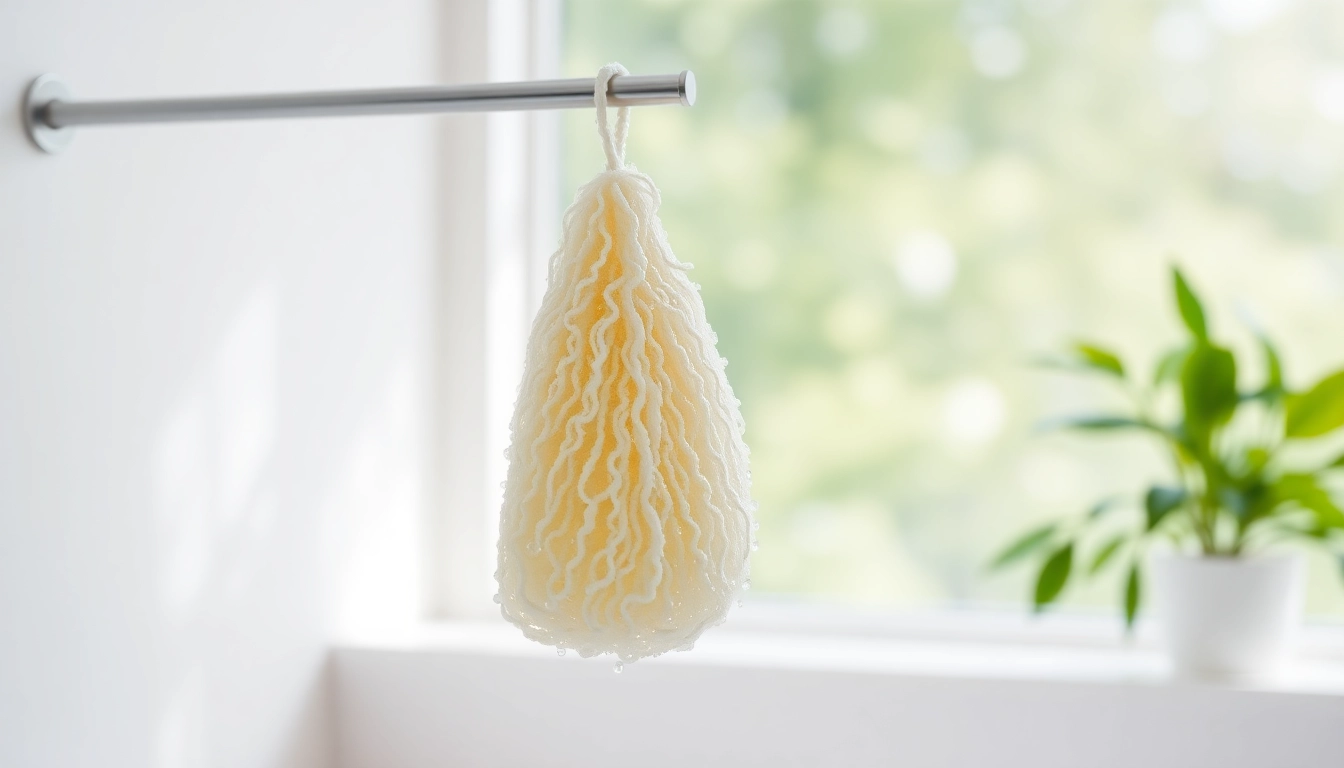
How you store your loofah can affect its longevity and cleanliness. Ensure you place it in a well-ventilated area away from direct sunlight to help it dry out completely after each use. Hanging it up or placing it on a soap dish with holes can allow for airflow. Avoid keeping it in the shower where it remains damp, as moisture encourages bacterial growth.
Choosing the Right Loofah for Longevity
Not all loofahs are created equal. When selecting a loofah, consider the following factors for increased longevity and skin health:
- Material: Opt for 100% natural loofahs as they tend to be more biodegradable and eco-friendly.
- Loofah Size: A larger loofah typically has a longer lifespan; consider personal preferences for usage.
- Manufacturing Process: Look for loofahs labeled with fewer dyes and chemicals to minimize skin irritations.
Common Mistakes When Cleaning a Loofah
Overlooking Washing Instructions
One mistake many people make is ignoring the specific washing instructions that come with their loofah. Each type may have recommended care guidelines tailored to maintain its integrity and effectiveness, so be sure to follow them.
Using Harsh Chemicals
Using bleach or other harsh chemicals may seem like a good way to disinfect your loofah, but they can degrade the fibers and cause skin irritation. Stick to milder cleaning solutions like those mentioned earlier to keep your loofah effective and safe for use.
Neglecting Drying Methods
Proper drying is crucial for preventing mold and bacteria growth. Many people mistakenly leave their loofah in a moist environment. Always ensure it is fully dried after every use, and avoid storing it in damp areas to promote longevity.
FAQs About Cleaning Your Loofah
What happens if you don’t clean your loofah?
Not cleaning your loofah regularly can allow bacteria and mold to thrive, potentially causing skin irritations, infections, and an unpleasant odor.
Can I use bleach to clean my loofah?
It's best to avoid bleach, as it can break down the fibers of the loofah and irritate your skin. Stick to natural cleaning methods for a safe clean.
How do I know when to replace my loofah?
Replace your loofah if it develops an offensive odor, shows signs of mold, or becomes worn and falling apart. Generally, replace every 3-4 weeks.
Is it safe to share a loofah?
Sharing a loofah is not recommended, as it increases the risk of transferring bacteria and infections. Each person should have their own to ensure cleanliness.
What’s the best way to dry my loofah?
The optimal way to dry your loofah is to hang it in a well-ventilated area away from direct sunlight to prevent dampness that encourages microbial growth.