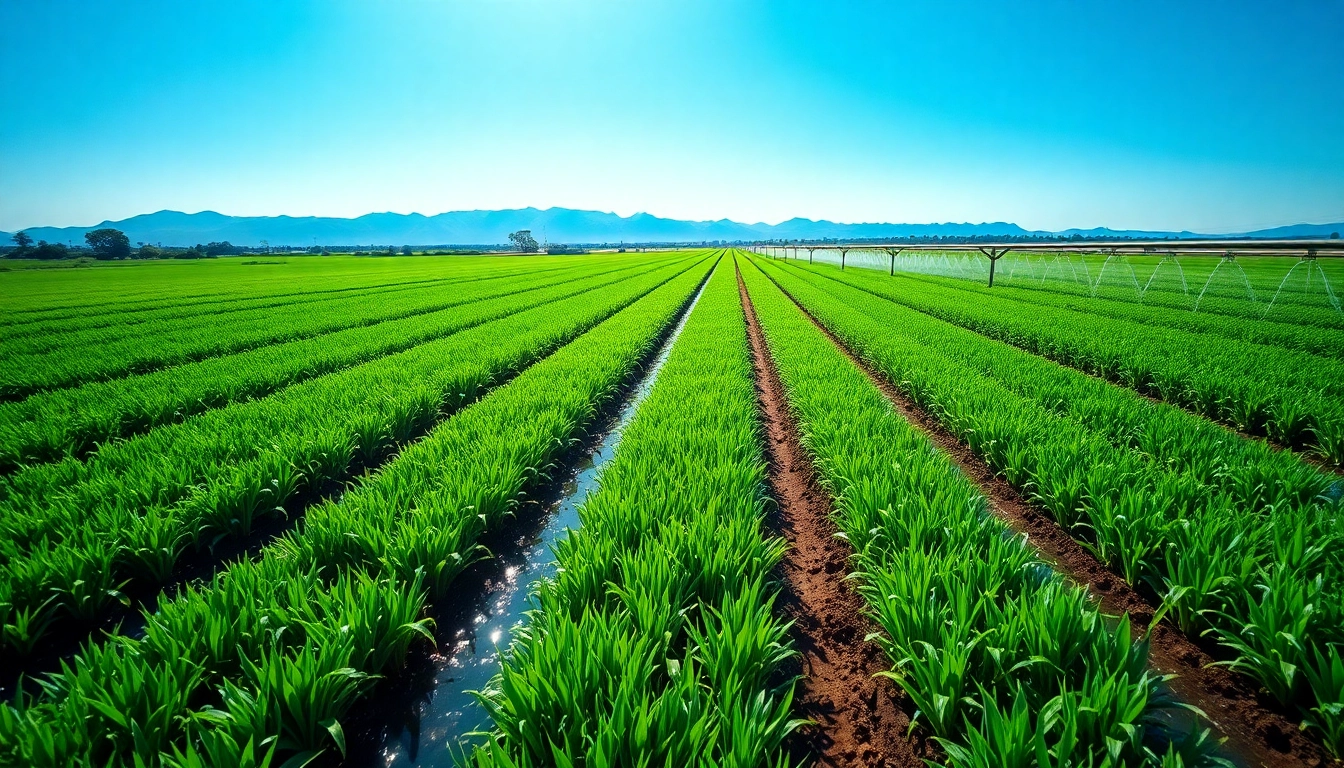
Understanding Land Irrigation Techniques
Definition and Importance of Land Irrigation
Land irrigation refers to the method of applying controlled amounts of water to assist in the growth of crops. It is a crucial agricultural practice that enhances crop production, ensuring food security in a world with increasing population demands. By optimizing soil moisture levels, land irrigation improves crop yields, influences the timing of harvests, and provides farmers with the necessary tools to manage water more effectively in arid regions. Understanding land irrigation is essential for enhancing agricultural productivity and sustainability.
Common Types of Land Irrigation
Various irrigation techniques are employed across the globe, tailored to different geographical and crop conditions. The most common types of land irrigation include:
- Surface Irrigation: Water is distributed over the soil surface by gravity; this method is less expensive but can lead to water wastage.
- Drip Irrigation: A highly efficient form that delivers water directly to the root zone of plants through a network of tubing and emitters, reducing water loss significantly.
- Sprinkler Irrigation: A method where water is sprayed onto crops through a system of pipes and pumps, mimicking natural rainfall.
- Subsurface Irrigation: Involves placing water delivery systems below the soil surface, allowing water to seep upwards and reducing evaporation.
- Flood Irrigation: Water is allowed to flow freely in large ditches or furrows, flooding the crops and requiring careful management to avoid waterlogging.
Factors Affecting Land Irrigation Efficacy
Several factors can impact the effectiveness of land irrigation, including:
- Soil Type: Different soils have varying capacities to retain and transmit water, significantly affecting irrigation efficiency.
- Climate: Temperature and rainfall patterns can influence evaporation rates and crop water requirements.
- Crop Type: Different crops have different water needs and sensitivity to drought.
- Water Quality: The salinity and chemical composition of water can affect plant growth and soil health.
- Topography: The slope and structure of land can affect water distribution and retention.
Best Practices for Efficient Land Irrigation
Soil Moisture Management
Effective soil moisture management is vital for maximizing crop output while conserving water resources. Farmers should utilize soil moisture sensors to assess moisture levels accurately. Implementing practices such as mulching, cover cropping, and no-till farming enhances soil structure and promotes moisture retention. By regularly monitoring soil conditions, farmers can determine the optimal irrigation schedule tailored to their crops’ needs.
Optimal Time for Irrigation
Timing is a critical factor in irrigation management. Irrigating during the cooler parts of the day—early mornings or late afternoons—can minimize evaporation losses. Moreover, using scientific methods to assess plant water needs based on growth stages helps ensure crops receive the right amount at the right time, thereby enhancing water use efficiency.
Use of Technology in Land Irrigation
Technology plays a vital role in upgrading irrigation practices. Precision irrigation technologies, such as automated drip systems and remote monitoring tools, enable farmers to apply water with pinpoint accuracy. Additionally, the integration of data analytics to forecast weather patterns and optimize water application schedules enhances decision-making processes and promotes sustainable water use.
Challenges in Land Irrigation Systems
Water Scarcity Issues
Water scarcity poses significant challenges for land irrigation, driven by climate change, population growth, and increased competition for water resources. In regions where water is limited, implementing efficient irrigation methods becomes critical. Farmers must consider alternative water sources, such as reclaimed wastewater, to adapt to water scarcity and sustain crop production.
Environmental Concerns
While irrigation is essential for agriculture, it can also lead to environmental issues such as soil degradation, salinity, and habitat loss. Overusing water from rivers and lakes can deplete natural ecosystems and reduce biodiversity. Sustainable practices, like adopting regenerative agriculture, can mitigate these impacts while maintaining agricultural productivity.
Economic Limitations
Implementing advanced irrigation systems can be costly, mainly in developing regions. Limited financial resources hinder farmers’ abilities to adopt more efficient methodologies. Financial assistance programs and government subsidies can aid farmers in transitioning to sustainable practices, ensuring they have access to modern irrigation technologies that improve water use and crop yields.
Innovative Solutions for Sustainable Land Irrigation
Advanced Irrigation Technologies
Innovations in irrigation technology are paving the way for more sustainable practices. Solutions such as smart irrigation systems that adjust water application based on real-time weather data help optimize water usage. Moreover, the use of drones for monitoring crop health and water distribution can further enhance irrigation efficiency by providing precise imaging and analysis.
Rainwater Harvesting Techniques
Rainwater harvesting involves collecting and storing rainwater for irrigation and other uses. Implementing systems that capture rainwater from roofs or other surfaces can significantly reduce dependence on traditional water sources. This sustainable approach not only mitigates water scarcity issues but also enhances soil moisture levels for crops.
Integrating Sustainable Practices
Incorporating sustainable agricultural practices—such as crop rotation, agroforestry, and organic farming—alongside effective irrigation methods can maximize land use while conserving water. These practices improve soil health, increase biodiversity, and enhance resilience to climate challenges, creating a healthier ecosystem for agriculture.
Measuring Success in Land Irrigation Projects
Performance Metrics for Irrigation Systems
Determining the effectiveness of irrigation systems requires a set of performance metrics. Key indicators include irrigation efficiency, water application rates, crop yield per unit of water, and overall water savings. Regular evaluation of these metrics helps farmers and stakeholders identify areas for improvement and adapt practices as needed.
Case Studies of Successful Land Irrigation
Examining successful case studies provides invaluable insights into effective land irrigation practices. Regions that have successfully implemented drip irrigation systems have experienced significant increases in crop yields and water conservation. For instance, various initiatives in arid areas have demonstrated how targeted investments in sustainable irrigation can transform agricultural productivity.
Future Trends in Land Irrigation Management
The future of land irrigation management is likely to be shaped by advances in technology, climate resilience strategies, and sustainable practices. The growing emphasis on precision agriculture will lead to even smarter systems that utilize data analytics, artificial intelligence, and remote sensing to enhance productivity and minimize environmental impact.
Frequently Asked Questions About Land Irrigation
What is land irrigation?
Land irrigation is the process of applying controlled water to crops, enhancing growth and yield while conserving water resources in agriculture.
What are the primary types of irrigation systems?
The main types include surface, drip, sprinkler, subsurface, and flood irrigation, each with unique benefits and limitations based on various conditions.
How does soil type influence irrigation practices?
Soil type affects water retention and absorption rates, which influences the selection of irrigation methods to achieve optimal moisture levels for crops.
What role does technology play in land irrigation?
Technology enhances irrigation practices through automation, precision tools, and data analytics, enabling more efficient water use and improved crop health.
What are the main challenges faced in irrigation?
Challenges include water scarcity, environmental impacts, economic limitations, and the need for sustainable practices to maintain agricultural productivity.