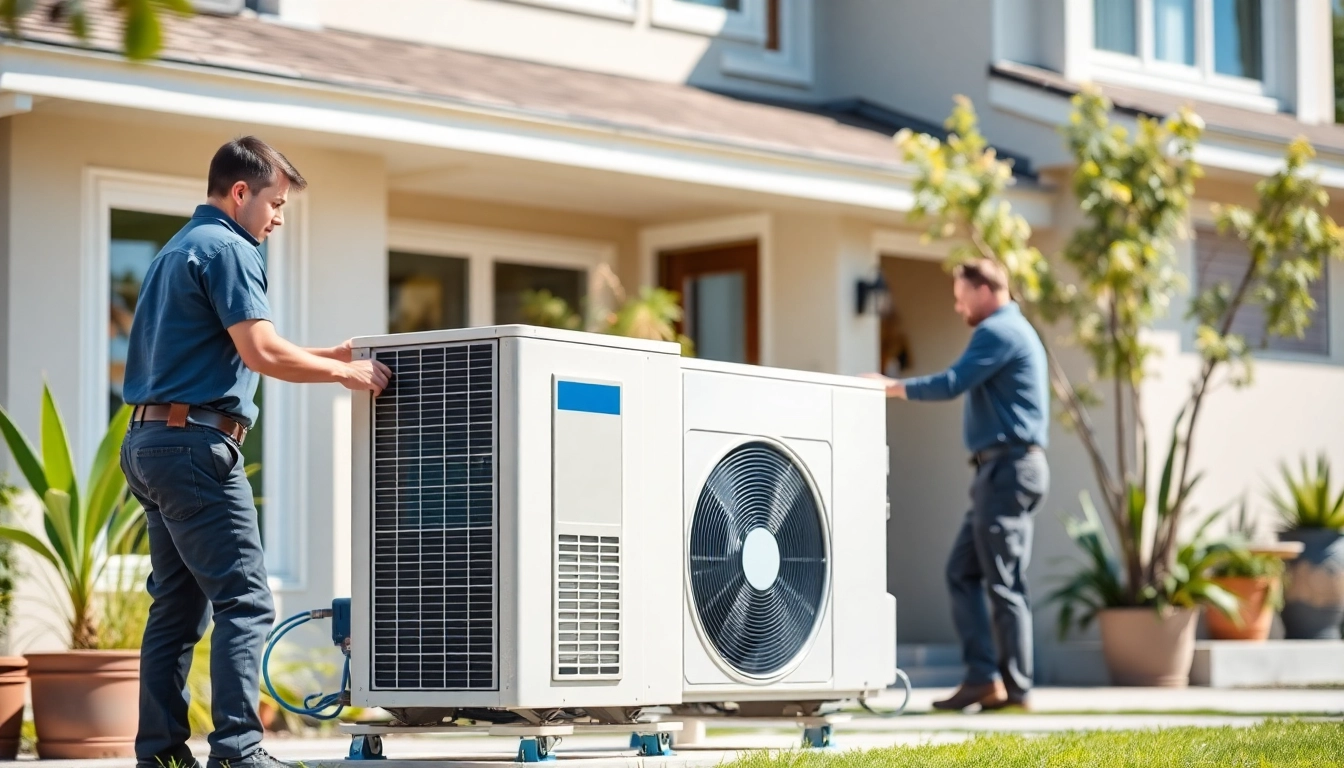
Understanding the Benefits of Heat Pump Installation
As homeowners strive for energy efficiency and sustainability, heat pump installation has emerged as a popular solution. This technology not only offers significant energy savings but also contributes positively to the environment. Let's delve deeper into how heat pumps work, their benefits, and factors to consider for successful installation.
What is a Heat Pump?
A heat pump is an innovative system that leverages the principles of thermodynamics to move heat from one place to another. Instead of generating heat through combustion, it transfers heat energy from the ground, air, or water into your home for heating, and reverses this process for cooling. This dual functionality makes heat pumps versatile systems suitable for various climates.
Energy Efficiency and Cost Savings
One of the most compelling reasons to consider heat pump installation is energy efficiency. According to the U.S. Department of Energy, heat pumps can reduce energy consumption by up to 50% compared to traditional heating methods. By transferring heat instead of generating it, heat pumps require less electricity to provide the same level of comfort. These savings can translate into lower utility bills, making heat pumps a cost-effective solution over time.
Environmental Impact of Heat Pumps
Heat pumps are also environmentally friendly. By using renewable energy sources, they help reduce greenhouse gas emissions. This is particularly crucial as the world grapples with climate change. Adopting heat pump technology can contribute to a reduction in reliance on fossil fuels, promoting a cleaner and sustainable future for our planet.
Key Factors to Consider Before Installation
Choosing the Right Size for Your Home
Installing the appropriately sized heat pump is crucial for optimal performance. Oversized systems can lead to energy wastage through frequent cycling, while undersized units may struggle to maintain the desired temperature. Factors such as your home's square footage, insulation quality, and local climate conditions must be part of the sizing equation. Professional guidance can help ensure the correct size selection.
Types of Heat Pumps and Their Features
There are several types of heat pumps, including air-source, ground-source (geothermal), and water-source pumps. Each type has its unique features and benefits. Air-source heat pumps are the most common and are effective for moderate climates. Ground-source heat pumps, while more expensive to install, offer higher efficiency and consistent performance in extreme temperatures. Water-source systems are effective but require proximity to a water body. Understanding these differences can help you choose the right type for your specific needs.
Assessing Local Climate Conditions
Your climate plays a significant role in determining the ideal heat pump. In colder regions, a cold-climate heat pump, designed to perform efficiently at lower temperatures, is preferable. Conversely, warmer areas may benefit more from conventional air-source systems. Assessing your local climate will guide your selections, ensuring the system's efficiency and longevity.
The Installation Process Explained
Preparing Your Home for Installation
Before installation, homeowners need to prepare their homes. Ensure that your home is adequately insulated and that there are no leaks. This is essential because a well-sealed home allows the heat pump to operate at maximum efficiency. You may also need to clear the installation area, making it accessible for technicians.
Steps in the Installation Process
The installation process of a heat pump typically involves several steps:
- Assessment: Technicians evaluate your home and recommend the appropriate heat pump system.
- Preparation: The area for the indoor and outdoor units is prepared, including any necessary modifications to ductwork.
- Installation: The indoor and outdoor units are installed, and electrical connections are made.
- Testing: The system is tested for proper operation before being turned over to the homeowner.
Post-Installation Inspection and Testing
After installation, a thorough inspection is vital. Technicians should check that the heat pump operates correctly and efficiently. This includes testing the thermostat, checking for air leaks, and ensuring that all connections are secure. Post-installation testing ensures that your system will provide the comfort and efficiency you expect.
Maintaining Your Heat Pump for Longevity
Regular Maintenance Tips
To maximize the lifespan of your heat pump, regular maintenance is essential. This includes:
- Cleaning or replacing filters monthly to maintain airflow and efficiency.
- Scheduling annual professional maintenance checks to identify and rectify issues early.
- Checking and cleaning the outdoor unit from debris, leaves, or snow build-up.
Common Issues and Troubleshooting
Common issues that may arise include poor airflow, strange noises, and inconsistent temperatures. Homeowners can troubleshoot minor problems, such as checking filters and ensuring vents are open. However, persistent issues should be addressed by professionals to prevent further damage.
When to Call a Professional
If you notice significant temperature fluctuations, strange noises, or a sudden increase in energy bills, it's time to call a professional. Regular inspections by certified technicians can keep your system running efficiently and address potential problems before they escalate.
Cost Considerations for Heat Pump Installation
Understanding Pricing Structure
The cost of heat pump installation can vary widely based on several factors, including the type of heat pump, installation complexity, and location. Typically, the average installation cost can range from $3,500 to $7,500. Obtaining quotes from multiple contractors can help you understand the pricing structure in your area.
Financing Options for Homeowners
Many homeowners seek financing options to afford heat pump installation. Various programs may help cover costs, including zero-interest loans and home equity lines of credit. Understanding the financing options available can ease the upfront financial burden and facilitate the transition to energy-efficient systems.
Potential Incentives and Rebates
Several government and utility programs offer financial incentives and rebates for energy-efficient upgrades, including heat pumps. Homeowners should research local and federal programs that could reduce installation costs significantly. These incentives can make the switch to more efficient systems not only feasible but also financially attractive.
Frequently Asked Questions
What is a heat pump and how does it work?
A heat pump transfers heat between indoor and outdoor environments, providing heating in winter and cooling in summer. It operates via a refrigeration cycle, making it energy-efficient.
How long does a heat pump installation take?
Typically, a heat pump installation can take 1-2 days, depending on your home’s specifics and the type of heat pump being installed.
What size heat pump do I need?
The appropriate size depends on your home’s square footage, insulation, and local climate. Consulting a professional will ensure precise calculations for the best performance.
Are there government rebates for heat pump installation?
Many areas offer rebates and incentives for energy-efficient upgrades. Checking local programs will provide details on potential savings available to homeowners.
How can I enhance the efficiency of my heat pump?
Regular maintenance, proper insulation, and wisely setting your thermostat significantly improve efficiency, ensuring your heat pump performs optimally.