Understanding Metal Roofing Types
Metal roofing has emerged as a popular choice for homeowners looking to enhance the durability and aesthetics of their properties. metal roofing offers numerous advantages over traditional materials like shingles or tiles. Within the realm of metal roofing, various materials and styles exist, each offering unique benefits and characteristics.
Popular Metal Roofing Materials
When it comes to metal roofing, several materials dominate the market:
- Steel: Typically galvanized or Galvalume, steel roofing is known for its strength and resilience. It is often coated to resist corrosion and is available in various styles.
- Aluminum: Lightweight and resistant to rust, aluminum is an excellent choice for coastal areas where salt exposure is prevalent.
- Copper: Renowned for its aesthetic appeal, copper develops a distinct patina over time. Though more expensive, it's valued for its longevity.
- Zinc: Similar to copper, zinc provides a unique look and is eco-friendly. It can last up to 100 years with proper maintenance.
Comparing Metal Roofing Styles
Metal roofing also comes in a variety of styles, each catering to different design preferences and functional needs:
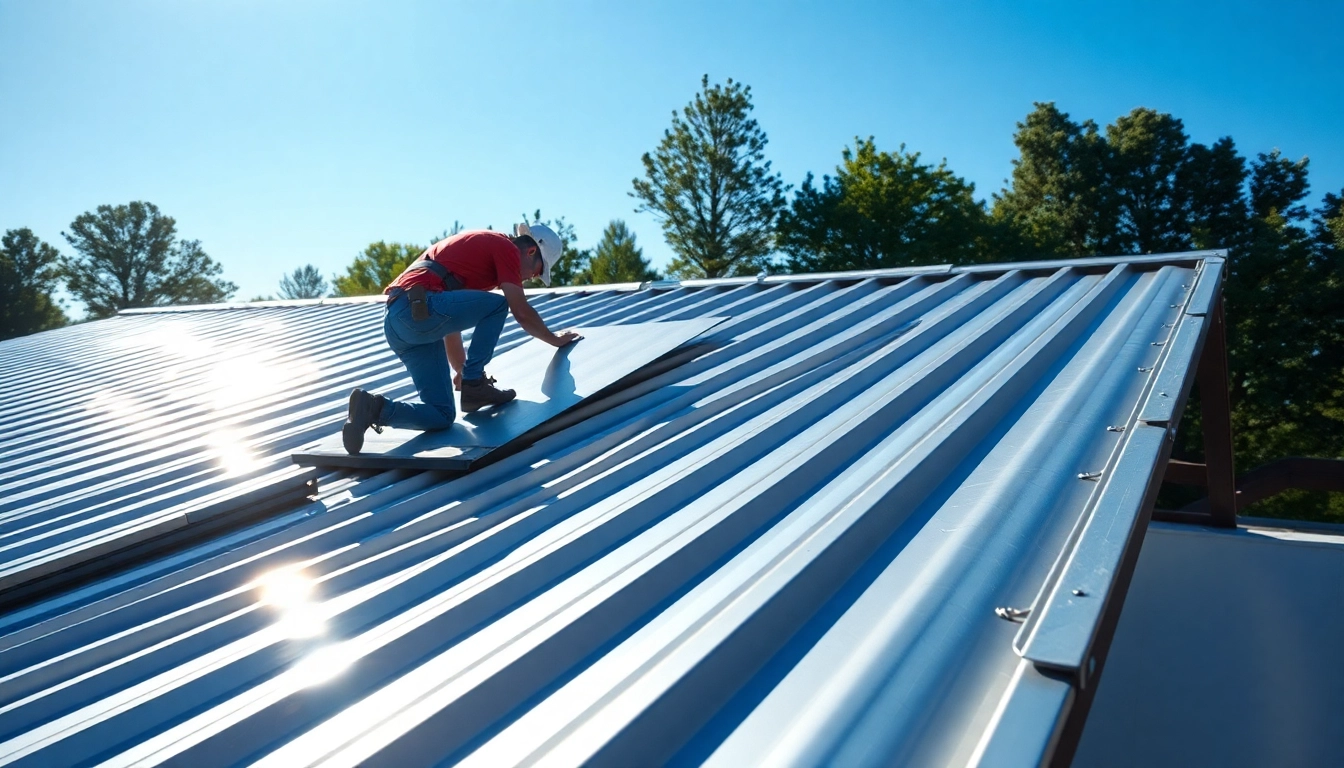
- Standing Seam: This style features vertically raised seams and is popular for its sleek look and efficient water drainage.
- Corrugated Panels: Known for their wavy design, corrugated panels are lightweight and often used in agricultural or industrial settings.
- Metal Tiles: Mimicking traditional roofing materials, metal tiles are designed to resemble slate or shingles and provide the charm of classic roofing with the advantages of metal.
Choosing the Right Metal Roofing for Your Home
Selecting the most suitable metal roofing requires consideration of several factors, including local climate, architectural style, and budget. Evaluate the aesthetic preferences you have for your home while ensuring the selected material can withstand local weather conditions. For instance, aluminum may be more suited for coastal environments while steel performs well in areas prone to heavy snowfall.
Benefits of Metal Roofing
Investing in metal roofing offers numerous benefits that can ultimately save homeowners money and enhance property value.
Durability and Longevity of Metal Roofing
Metal roofing is well-known for its unparalleled durability. Unlike traditional roofing materials, metal roofs can last up to 50 years or more with adequate care. They are resistant to adverse weather conditions such as high winds, heavy rain, and extreme temperatures, making them ideal for a variety of climates. Additionally, metals do not warp or crack like asphalt shingles and are far less susceptible to rotting.
Energy Efficiency and Cost Savings
Another significant advantage of metal roofing is its energy efficiency. Metal roofs reflect sunlight, reducing heat absorption and thereby lowering cooling costs during hot months. Many modern metal roofs are coated with reflective finishes, further enhancing their energy-saving features. Though the initial investment may be higher than traditional materials, the long-term savings on energy bills, paired with durability, make metal roofing a cost-effective option over time.
Environmental Impact of Metal Roofing
Many metal roofing options are constructed from recycled materials, making them a sustainable choice. Furthermore, at the end of their lifespan, metal roofs can be wholly recycled, reducing landfill contributions. This eco-friendliness, combined with their energy efficiency, positions metal roofing as an admirable alternative within the current environmental landscape.
Installation Process of Metal Roofing
Installing metal roofing requires careful planning and execution. Understanding the installation process can help homeowners prepare effectively and possibly demonstrate the need for professional installation.
Preparing Your Roof for Metal Installation
Before embarking on the installation of metal roofing, it’s essential to prepare correctly. Inspect the existing roof for any structural damages, and remove any old roofing materials if necessary. A solid metal roof typically requires a solid substrate made from plywood or oriented strand board (OSB). Proper insulation and ventilation are also vital to extend the life of the roofing system.
Steps for Installing Metal Roofing
The installation of a metal roof usually entails several key steps:
- Measuring and Planning: Start by accurately measuring the roof area to calculate necessary materials. Planning the placement of seams and panels is essential for proper water drainage.
- Installing Underlayment: Lay a protective underlayment if necessary, ensuring it extends beyond the eaves and ridges.
- Panel Installation: Begin attaching panels from the eave upward, ensuring seams are overlapping to prevent leaks.
- Securing the Panels: Use the appropriate fasteners with rubber washers to help achieve a watertight seal.
- Finishing Touches: Install all necessary trims, such as ridge caps and edging, to complete the installation.
Common Installation Mistakes to Avoid
Many issues can arise during metal roof installation. Some common mistakes include:
- Improperly aligning panels can lead to water infiltration.
- Neglecting adequate venting, which can cause heat buildup and shorten roof lifespan.
- Using incorrect fasteners that can rust, compromising the roof’s effectiveness.
Hiring trained professionals can significantly reduce these risks.
Maintenance Tips for Metal Roofing
While metal roofing is low-maintenance, periodic checks and upkeep are necessary to ensure its longevity.
Routine Inspections and Maintenance
Conduct routine inspections at least twice a year, focusing on areas where debris collects and near the edges of the roof. Additionally, after severe weather, inspect for any loose panels or damage.
Cleaning Your Metal Roof Effectively
Cleaning can be done with a mild detergent and water using a soft brush or cloth. Avoid using harsh chemicals that could damage the finish. Regular cleaning prevents oxidization and streaking, keeping your roof looking new.
Addressing Common Metal Roofing Issues
Common issues include rust, leaks, and denting. Rust can be prevented by applying special coatings. Immediate leakage repair helps avoid structural damage, while small dents can sometimes be pushed out from the underside of the panel.
Cost Factors for Metal Roofing
Many factors influence the overall cost when considering a metal roofing investment.
Estimating Metal Roofing Costs
The price of metal roofing can vary significantly based on the material type, design, and local labor costs. On average, homeowners can expect to pay between $4 to $30 per square foot, largely dictated by the selected material and complexity of the installation.
Factors Influencing Metal Roofing Prices
Several factors impact the pricing of metal roofing, including:
- The type of metal chosen (steel, aluminum, etc.)
- The style of the roofing (standing seam vs. corrugated)
- Geographical location and local labor costs
- Any additional features, such as insulation or ventilation systems
Financing Options for Metal Roofing Projects
Many homeowners seek financing for their metal roofing projects. Options may include personal loans, home equity lines of credit, or even financing plans offered by roofing contractors. Evaluating different financing options can make investing in a metal roof more feasible.
Frequently Asked Questions about Metal Roofing
Is metal roofing noisy during rain or hail?
Metal roofs can be noisy during rain or hail, but proper insulation and sheathing can significantly dampen sound.
How long does a metal roof last?
Metal roofs can last 50 years or more with proper maintenance, making them a durable option compared to traditional roofing materials.
Can I install metal roofing over shingles?
Yes, in many cases, metal roofing can be installed over existing shingles, providing the roof is structurally sound, reducing installation costs.
Do I need to maintain my metal roof?
Yes, regular inspections and cleaning are recommended to ensure longevity and maintain the roof's aesthetic appeal.
Is metal roofing energy efficient?
Metal roofing reflects solar heat, which can lead to lower cooling costs, making it an energy-efficient roofing option.