Understanding the Basics of Fly Fishing Kit
What is a Fly Fishing Kit?
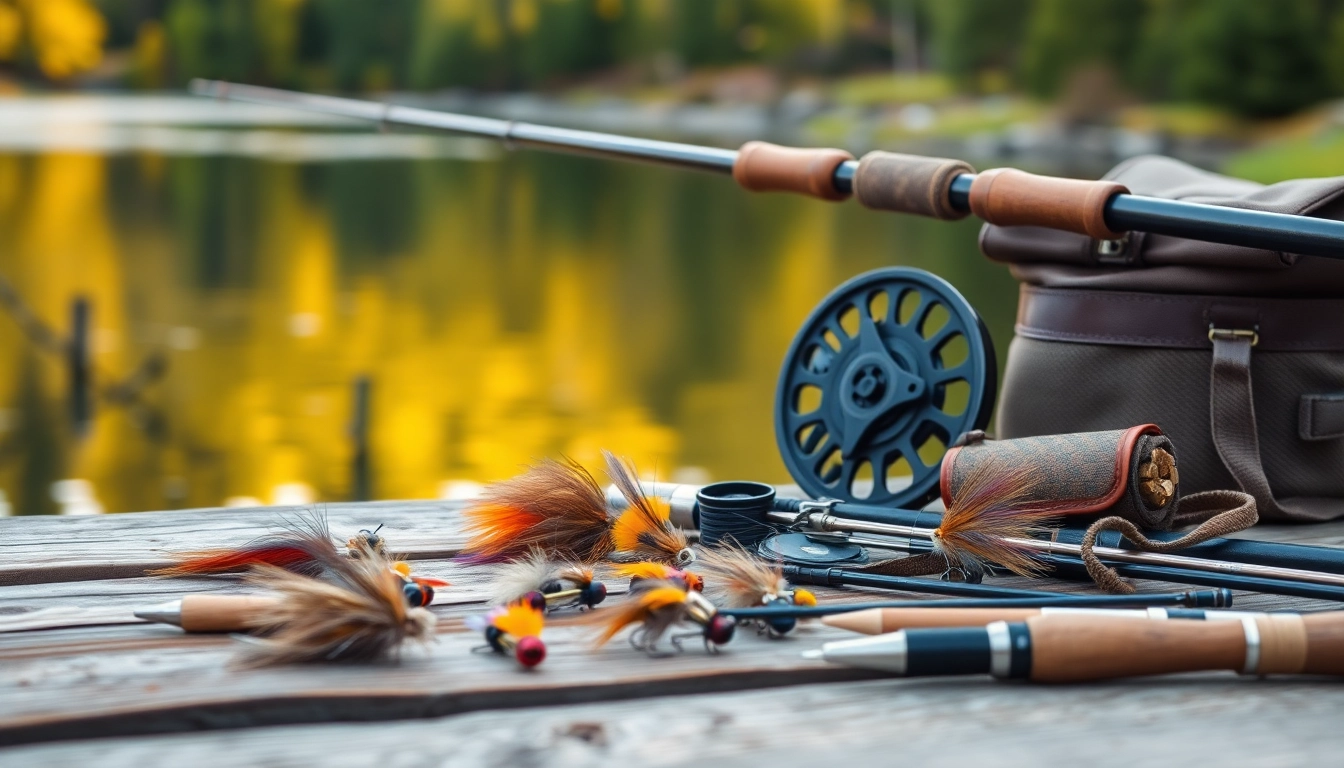
A fly fishing kit is an all-encompassing set of tools designed to make the fly fishing experience accessible for both beginners and experienced anglers. Typically, a kit includes essential gear required to catch fish using artificial flies, which are handcrafted lures designed to imitate aquatic insects or baitfish. The kit aims to eliminate the guesswork involved in assembling individual components, offering a convenient package that caters to various fishing environments.
Essential Components Explained
A comprehensive Fly fishing kit usually contains the following components:
- Fly Rod: This long, flexible rod is essential for casting the fly line. Different weights and lengths are suited for different fishing conditions.
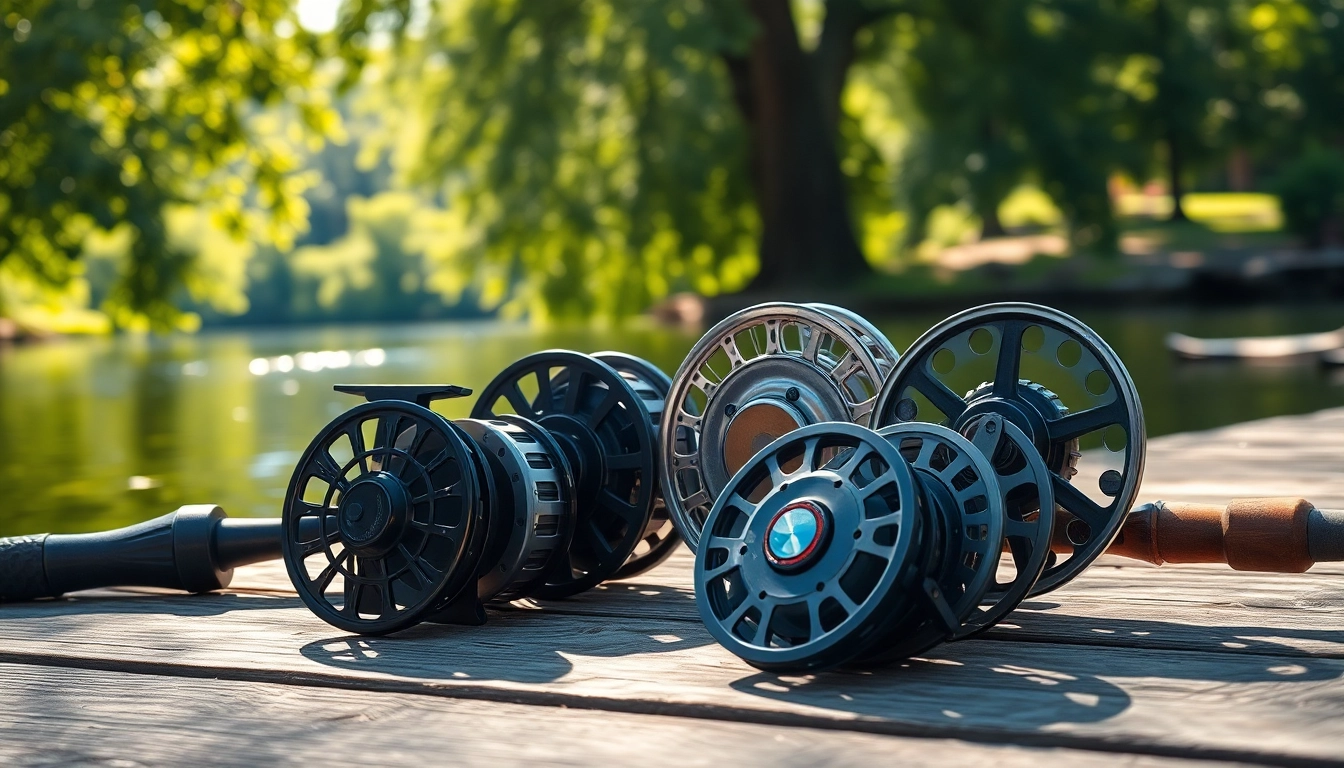
- Fly Reel: The reel holds the fly line and aids in retrieving fish. It provides a drag system that keeps the fish from escaping once hooked.
- Fly Line: This specialized line is thicker than standard fishing line to aid in casting flies. Depending on the kit, you'll find floating, sinking, or intermediate lines.
- Leader Line: A lighter and more invisible line attached to the fly line, acting as a connection between the line and the fly.
- Flies: Various types of artificial flies are included, mimicking insects or baitfish that are attractive to the targeted fish species.
- Accessories: Additional items can include nippers, forceps, and a tackle box for organization and convenience.
Fly Fishing Kits for Beginners
For novice anglers, selecting a fly fishing kit that balances cost and quality is essential. Many kits specifically designed for beginners come pre-spooled and provide instruction manuals to help users find success quickly. These kits often cover the basics of selecting the right fly, tying knots, and understanding fishing regulations. As you gain experience, you may choose to upgrade individual components based on your preferences and fishing conditions.
Choosing the Right Fly Fishing Kit
Factors to Consider When Selecting a Fly Fishing Kit
Choosing the right fly fishing kit involves several key considerations:
- Skill Level: Match the kit to your skill level. Beginners should consider simplified kits that include clear instructions.
- Target Species: Different fish species require different setups. Research which type of fly rod and line is suitable for your target fish.
- Budget: Determine your budget beforehand. Higher-end kits may offer better durability and performance, but good value kits are available for learners.
- Local Fishing Conditions: Consider the water types and conditions in which you plan to fish, which can affect the kit components.
- Weight and Length: The weight of the rod influences casting distance and accuracy, while the length affects the casting environment.
Popular Types of Fly Fishing Kits
There are several popular types of fly fishing kits catering to various needs:
- Starter Kits: Designed for newbies, these kits include all the essential components needed to start fly fishing at an affordable price.
- Complete Kits: These kits are more comprehensive, including an upgraded range of components, perfect for those who want a long-lasting setup.
- Specialized Kits: Tailored for targeting specific fish species, these might include unique flies, lines, and rods designed for certain environments like saltwater or freshwater.
Customization Options for Fly Fishing Kits
Customization is key for seasoned anglers who understand their unique fishing preferences. Some kits allow adjustments in terms of rod weight, reel size, and type of flies included. You can also seek out components separately to build a personalized Fly fishing kit that aligns perfectly with your fishing style.
Maximizing Your Experience with a Fly Fishing Kit
Tips for First-Time Users
Here are essential tips for making the most out of your first experiences with a fly fishing kit:
- Learn proper casting techniques through online tutorials or local classes.
- Practice knot tying beforehand to ensure a smooth setup on your fishing trip.
- Do your research on local fishing regulations, such as seasons and catch limits.
- Start with easy-to-catch fish to build confidence and skills.
- Take time to understand the aquatic environment, which can influence fish behavior.
Common Mistakes to Avoid
First-time anglers often fall into these traps:
- Over-complicating your gear by bringing unnecessary components.
- Ignoring proper maintenance of equipment, leading to premature wear and tear.
- Skipping the learning phase and fishing without adequate preparation.
- Failing to adapt to changing water conditions, which can impact catch rates.
- Not paying attention to local guidelines and rules, which can result in fines.
Enhancing Your Skills with the Right Gear
Investing in quality gear can significantly enhance your fly fishing experience. As you gain more experience, consider adding specialized rods and reels that match specific fishing conditions, such as a lighter rod for tight streams or a heavier outfit for larger fish. Continuous learning through workshops or mentorship can also elevate your skills and improve your catch rates.
Maintenance and Care for Your Fly Fishing Kit
Cleaning Your Fly Fishing Gear
Maintaining your gear is vital for longevity and performance. After each trip, rinse your gear in fresh water to remove dirt and salt. Pay special attention to the reel, as grit can impact functionality. Once clean, dry your gear thoroughly to prevent corrosion.
Storage Best Practices
Proper storage is crucial for the preservation of your fly fishing kit. Use a dedicated tackle box to organize flies and accessories, and ensure that rods are stored in protective sleeves to prevent bending or breaking. Reel components should be stored without the line attached to avoid tangling or wear.
Replacing Worn Components in Your Fly Fishing Kit
Regularly inspect your gear for signs of wear, such as frayed lines or damaged rods. Replace worn components promptly to maintain functional integrity. Investing in spare parts, such as additional leaders and lines, can save time and frustration when you're ready to hit the water again.
Frequently Asked Questions About Fly Fishing Kits
What should I include in my Fly Fishing Kit?
Your kit should include a fly rod, reel, line, leader, flies, nippers, and forceps. These essentials will allow for a productive fishing experience.
How do I choose the right Fly Fishing Kit for my level?
For beginners, look for starter kits that include all necessary equipment and come with instructions. Experience anglers may seek more specialized setups.
Can I customize my Fly Fishing Kit?
Yes, many kits allow customization. Choose specific components like rod weight and fly types to better suit your fishing preferences.
How do I maintain my Fly Fishing Kit?
Rinse your gear after use, store it correctly in a tackle box, and regularly check for worn components that need replacing.
What is the average cost of a Fly Fishing Kit?
The cost of fly fishing kits can range widely, from budget options around $100 to premium kits that can exceed $500, depending on quality and features.