Getting Started with Gardening
Embarking on your Gardening journey can be exciting yet daunting. Whether you have a small balcony space or a spacious backyard, understanding the fundamentals is essential for cultivating a thriving garden. This comprehensive guide details everything you need to begin your gardening adventure, from the basics of various gardening types to choosing the right tools and finding the perfect location for your garden.
Understanding Different Types of Gardening
Gardening comes in many forms, each catering to different interests, skills, and environments. Here are some common types:
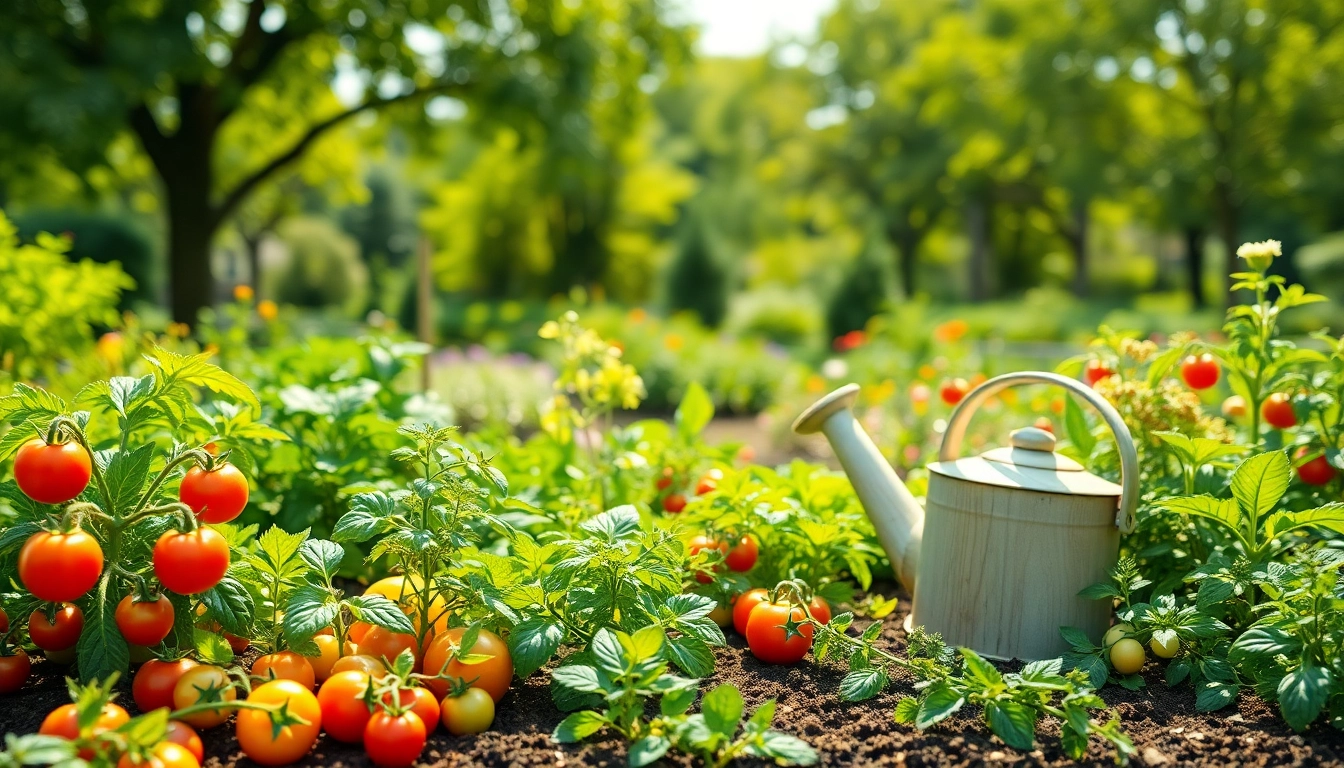
- Vegetable Gardening: Focused on growing vegetables and herbs for personal consumption, this type requires knowledge of seasonal planting and climatic influences.
- Flower Gardening: Emphasizes aesthetic appeal by cultivating beautiful flowers. This type can be designed to bloom through various seasons.
- Container Gardening: Ideal for those with limited space, container gardening allows for flexibility and creativity using pots or other containers.
- Raised Bed Gardening: Involves creating elevated garden beds, perfect for controlling soil quality and minimizing pests. This method is highly beneficial for the physically inclined.
- Vertical Gardening: A space-saving solution that involves growing plants upwards on trellises or wall-mounted systems, suitable for small spaces.
Essential Tools for Beginners in Gardening
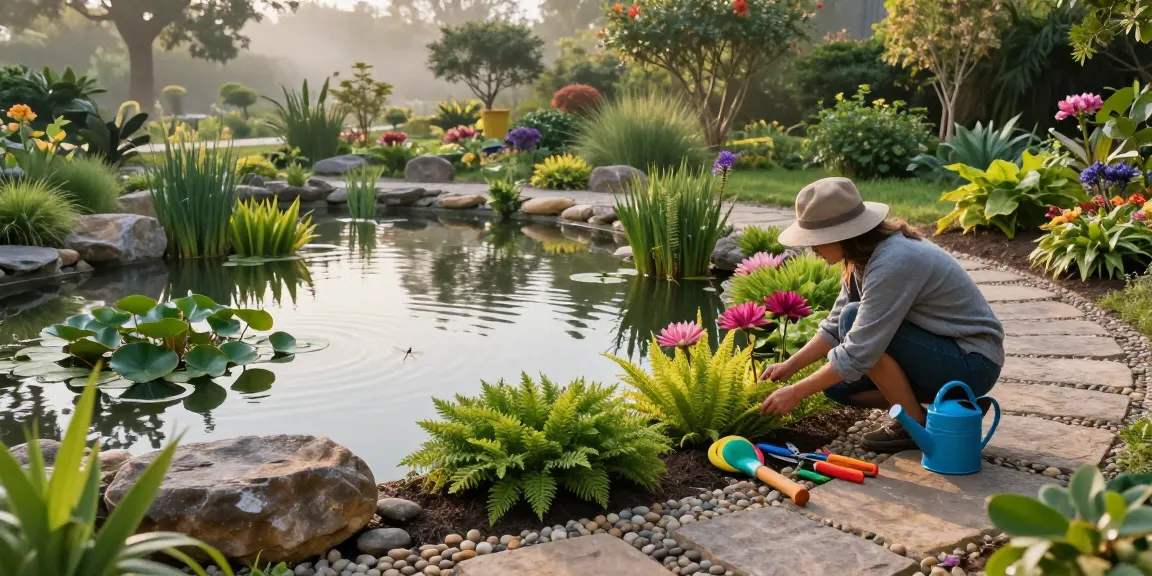
Equipping yourself with the right tools can significantly ease your gardening tasks. Beginners should focus on acquiring these essential items:
- Hand Trowel: Perfect for digging small holes and transplanting seedlings.
- Pruning Shears: Essential for trimming and shaping plants to encourage healthy growth.
- Gloves: Protect your hands from thorns and dirt while working in the garden.
- Watering Can: Useful for gentle watering and ensuring plants receive the moisture they need without flooding.
- Spade: A versatile tool for digging and moving soil.
Finding the Right Location for Your Garden
The right location is crucial for a successful garden. Consider these factors when choosing where to plant:
- Sunlight: Most plants require a minimum of six hours of sunlight daily. Observe areas in your garden throughout the day to determine the sunniest spots.
- Drainage: Ensure the site has good drainage to prevent water logging, which can harm plant roots.
- Accessibility: Choose a location that is easily accessible for planting, watering, and maintenance.
- Protection from Winds: If possible, select a spot that is shielded from strong winds to protect delicate plants.
Soil Preparation and Plant Selection
Soil quality and plant selection are foundational aspects of gardening that significantly affect plant health and productivity. Proper preparation ensures a conducive environment for plants to thrive.
Testing Soil Quality for Optimal Gardening
Before planting, it is essential to test your soil to understand its composition and pH balance. Poor soil conditions can hinder growth and yield. Here’s how to test your soil:
- Collect Soil Samples: Take samples from different areas of your garden, ensuring you dig down to about 6 inches deep.
- Use a Soil Test Kit: Home kits are available at garden centers. These kits test for pH levels, nitrogen, phosphorus, and potassium nutrients.
- Analyze Results: Based on the results, you can amend the soil by adding organic matter like compost or fertilizers to improve its quality.
Choosing the Right Plants for Your Garden
Choosing plants suitable for your environment, soil type, and personal preferences is crucial. Consider these tips to select wisely:
- Research Local Climate: Some plants thrive in specific climates. Understand your hardiness zone to select appropriate varieties.
- Understand Growth Requirements: Different plants have varying needs for sunlight, water, and soil type. Align these with what you can provide.
- Start with Easy Varieties: Beginners should consider starting with hardier, easy-to-grow varieties such as tomatoes, radishes, or marigolds.
Basic Gardening Techniques for Planting
Once you have your soil prepared and plants selected, it’s time to plant. Follow these basic techniques:
- Planting Depth: As a general rule, plant seeds or seedlings at a depth approximately twice their size.
- Spacing: Allow adequate space between plants for air circulation and growth as per specific plant requirements.
- Watering Immediately: Gently water your newly planted seeds or seedlings to settle the soil around their roots.
Watering and Maintenance Practices in Gardening
Watering and maintenance are ongoing aspects of gardening that directly impact plant health. Proper techniques contribute to robust growth and flowering.
Effective Watering Techniques for Healthy Plants
Understanding how and when to water your plants is vital. Here are key techniques:
- Time of Day: Watering in the early morning or late evening minimizes evaporation and allows plants to absorb moisture effectively.
- Method: Drip irrigation systems or soaker hoses provide consistent moisture while reducing water waste.
- Soil Check: Check soil moisture before watering; if it's still damp an inch below the surface, delay watering.
Fertilizing Your Garden for Peak Performance
Fertilization is essential for providing nutrients that may be lacking in the soil. Follow these guidelines for effective fertilization:
- Choose the Right Fertilizer: Depending on your soil test results, select a balance of nitrogen, phosphorus, and potassium.
- Timing: Fertilize during the growing season—apply at planting time and again every four to six weeks for optimum growth.
- Organic Options: Consider using compost or well-rotted manure as they can enhance soil structure and fertility naturally.
Common Gardening Pests and How to Combat Them
Knowing how to manage pests is crucial for maintaining a healthy garden. Here are strategies to combat common pests:
- Identification: Learn to recognize signs of pest damage on plants. Early detection makes management easier.
- Natural Predators: Introducing beneficial insects, like ladybugs, can help manage aphid populations naturally.
- Pesticides: If needed, opt for organic or eco-friendly options to minimize harm to beneficial insects and the environment.
Seasonal Gardening Tips and Tricks
The seasons significantly influence gardening activities. Adapting your approach throughout the year can enhance garden productivity and visual appeal.
Preparing Your Garden for Different Seasons
Each season comes with unique sets of tasks. Here’s how to prepare your garden:
- Spring: Time to clean up the garden, prepare the soil, and start planting early crops.
- Summer: Maintain proper watering, monitor for pests, and fertilize as necessary to support growth.
- Fall: Harvest mature crops, plant fall flowers, and prepare the soil for winter.
- Winter: Protect perennials with mulch and plan next year’s garden layout and plant selection.
Planting Seasonal Vegetables and Flowers in Gardening
Understanding which vegetables and flowers to plant each season can maximize your garden’s yield. Here are our guidelines:
- Spring Planting: Consider planting peas, lettuce, and radishes, as they thrive in cooler temperatures.
- Summer Planting: Tomatoes, peppers, and cucumbers flourish in the warm summer months.
- Fall Planting: Planting garlic and overwintering onions can yield strong spring harvests.
Maintaining Year-Round Interest in Your Garden Spaces
To enjoy your garden year-round, consider incorporating the following strategies:
- Evergreen Plants: These provide stability and visual interest during the winter months.
- Seasonal Decorations: Use seasonal ornaments and lights to enhance your garden’s appeal.
- Follow Growing Cycles: Plan your planting schedule to ensure there is always something blooming or producing.
Advanced Gardening Methods for Enthusiasts
For those looking to expand their gardening skills, delving into advanced techniques can lead to impressive results and richer experiences.
Exploring Organic Gardening Techniques
Organic gardening promotes sustainable practices without synthetic pesticides or fertilizers. Consider the following methods:
- Composting: Creating compost allows gardeners to recycle kitchen and garden waste into valuable organic matter.
- Crop Rotation: This practice prevents soil depletion by alternating plant families in the same area each growing season.
- No-till Gardening: Reduces soil disturbance, enhancing microbial life and soil structure for healthier plants.
Implementing Permaculture Principles in Gardening
Permaculture focuses on designing agricultural systems that work harmoniously with nature. Key principles include:
- Diversity: Plant a variety of species to foster ecosystem resilience and reduce pest outbreaks.
- Synergy: Design interdependent ecosystems, allowing certain plants to support each other.
- Zone Planning: Organize your garden based on proximity to your home and the frequency of maintenance required.
Leveraging Technology for Smart Gardening Solutions
The integration of technology in gardening makes cultivation more efficient and productive. Here are notable smart gardening solutions:
- Automated Watering Systems: Devices can control watering schedules and amounts based on weather forecasts.
- Soil Sensors: These tools monitor moisture levels, providing real-time feedback on watering needs.
- Garden Apps: Mobile applications can assist with reminders, plant identification, pest management, and tracking growth progress.
Gardening is a rewarding journey that combines creativity with science. By following these guidelines and continuously learning, you can cultivate a flourishing garden that brings joy and sustenance to your life. Remember to enjoy the process, stay curious, and adapt as you grow your green thumb.