Understanding Metal Roofing
What is Metal Roofing?
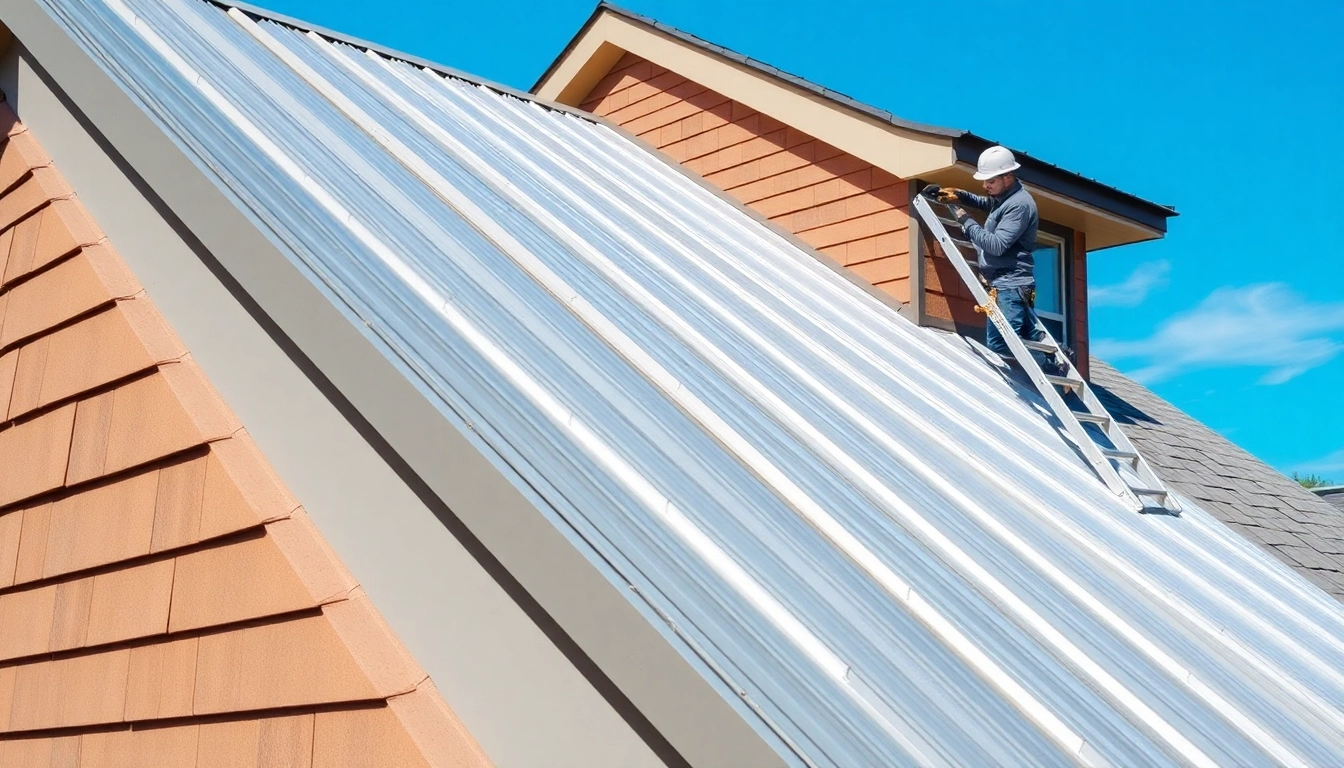
Metal roofing is a durable and efficient type of roofing system constructed from metal pieces or tiles. It offers a reliable solution for homeowners seeking longevity and performance. Typically utilized in residential and commercial applications, metal roofing is known for its strength, resistance to various weather conditions, and aesthetic versatility. Homeowners often choose metal roofing not only for its functional benefits but also for its modern appeal. To explore more about the benefits of metal roofing, consider its advantages in your future construction projects.
Types of Metal Roofing Materials
Metal roofing comes in various materials, each with unique characteristics that cater to different needs:
- Steel: Known for its strength and affordability, steel is among the most popular choices. It can be coated with alloys to enhance corrosion resistance.
- Aluminum: Lightweight and resistant to rust, aluminum is ideal for coastal regions where saltwater exposure is prevalent.
- Copper: While it is one of the most expensive options, copper roofing is renowned for its beauty and longevity, often aging to a green patina.
- Zinc: Unique for its self-healing properties, zinc roofing provides resilience with minimal maintenance, making it ideal for various climates.
- Galvanized Steel: Wrapped in a zinc coating, this material combines strength and corrosion resistance, offering longevity under adverse conditions.
Advantages of Metal Roofing
The popularity of metal roofing continues to grow due to its diverse advantages:
- Durability: Metal roofs often last 40-70 years, significantly outliving traditional roofs.
- Energy Efficiency: Metal roofing reflects solar radiant heat, reducing cooling costs in warm climates.
- Fire Resistance: Metal roofs are non-combustible, offering peace of mind during fire threats.
- Environmental Impact: Many metal roofing materials are made from recycled content and are fully recyclable at the end of life.
- Low Maintenance: Metal roofs require little upkeep compared to asphalt shingles, which need frequent replacements.
Cost Considerations for Metal Roofing
Factors Influencing Metal Roofing Costs
Understanding the costs associated with installing a metal roof requires awareness of various influencing factors:
- Material Type: The choice of metal affects the overall price. For instance, copper is more expensive than galvanized steel.
- Roof Size: The total area to be covered directly correlates with the cost. Larger roofs require more materials and labor.
- Installation Complexity: Roofs with steep pitches or intricate designs may incur additional installation charges.
- Labor Costs: Regionally variable labor rates can significantly impact the total installation cost.
- Warranty: Premium materials often come with longer warranties, which can be factored into long-term costs.
Average Pricing for Different Metal Types
The cost of metal roofing varies widely based on the type of material chosen:
- Steel: Generally priced between $7 to $12 per square foot.
- Aluminum: Ranges from $10 to $18 per square foot, but offers lightweight advantages.
- Copper: The premium option, averaging $15 to $30 per square foot, paying off with longevity.
- Zinc: Typically falls between $8 to $15 per square foot, valued for its self-healing properties.
- Galvanized Steel: Costs around $6 to $10 per square foot, combining affordability and performance.
Cost Comparison with Other Roofing Options
When comparing metal roofing costs to other materials, such as asphalt shingles or tile, significant differences arise:
- Asphalt Shingles: Generally $3 to $5 per square foot, requiring more frequent replacements than metal.
- Slate: Priced between $15 and $30 per square foot, slate offers high durability but requires extensive support due to its weight.
- Tile: Generally costs between $10 and $20 per square foot, similar to metal but often less durable.
Installation Process for Metal Roofing
Preparation Steps Before Installation
Proper preparation is crucial for effective metal roofing installation:
- Choose the Right Material: Evaluate options based on durability, aesthetics, and budget.
- Consult Local Codes: Ensure compliance with area regulations and guidelines.
- Remove Existing Roofing: Strip away any old roofing materials to create a clean surface.
- Inspect the Roof Deck: Ensure that the roof frame is solid. Replace any rotting or damaged sections.
- Gather Tools and Materials: Collect nails, screws, sealants, and sealing materials for installation.
Step-by-Step Metal Roofing Installation
The following steps outline the process for installing metal roofing:
- Install Underlayment: Lay down a waterproof underlayment to protect against moisture.
- Begin with Eave Trim: Fit eave trim along the roof's edge to secure the metal panels.
- Lay Metal Panels: Start laying the panels from the eave up. Secure each panel with appropriate fasteners.
- Install Ridge Cap: Place ridge cap over the peak to prevent water ingress.
- Final Check: Review the installation for any loose seams or potential leaks.
Safety Tips for Installing Metal Roofing
Safety is paramount while installing metal roofing:
- Wear Proper Gear: Use safety goggles, gloves, and slip-resistant shoes.
- Structure Assessment: Ensure that the structural integrity can support worker weight and materials.
- Secure Tools: Keep tools organized to prevent tripping hazards.
- Establish a Safety Plan: Create procedures for emergency evacuations or accidents.
- Weather Considerations: Avoid installation during extreme weather conditions, such as heavy rain or winds.
Maintenance and Care for Metal Roofing
Regular Maintenance Practices
Taking care of a metal roof requires attention to specific maintenance practices:
- Regular Inspections: Perform thorough inspections at least twice yearly to identify damages or wear.
- Clean Debris: Remove leaves, branches, and other debris that may retain moisture against the roof surface.
- Check Fasteners: Ensure all fasteners remain intact and replace any rusted screws or nails.
- Clear Gutters: Prevent clogging by regularly cleaning gutters to allow proper drainage.
- Address Scratches Promptly: Touch up any scratches or damaged areas to prevent rust.
Common Issues and How to Fix Them
Common issues encountered with metal roofing can usually be resolved with simple fixes:
- Rust: Use rust-resistant paint or treatment to cover any affected areas.
- Leaks: Check seals and flashing around penetrations. Reseal with appropriate roofing sealants.
- Loose Panels: Re-tighten loose fasteners to regain stability.
- Corrosion: Regularly inspect for corrosion and apply protective coatings as needed.
- Fading: Clean regularly to retain color vibrancy and consider re-coating if necessary.
Signs You Need Professional Help
Indications that professional help might be required include:
- Extensive Damage: Large areas needing repair may require professional restoration.
- Persistent Leaks: Continuous leaks that cannot be isolated might need expert inspection.
- Structural Concerns: If the roof system shows signs of sagging or weakness, consulting professionals is essential.
- Complex Repairs: Jobs requiring safety equipment that you lack should involve expert assistance.
- Warranty Issues: Major work that could void warranties should be done by professionals.
FAQs about Metal Roofing
What is the lifespan of metal roofing?
Metal roofing typically lasts between 40 to 70 years, depending on the material and maintenance.
Is metal roofing noisy during rain?
When properly installed with insulation and sound barriers, metal roofing is generally not significantly louder than other materials.
Can metal roofing be recycled?
Yes, metal roofing can be fully recycled, reducing waste and environmental impact.
What colors are available for metal roofing?
Metal roofing is available in a wide variety of colors and finishes, allowing for custom aesthetic choices.
Is metal roofing worth the investment?
With durability, energy efficiency, and low maintenance, many consider metal roofing a worthwhile long-term investment.