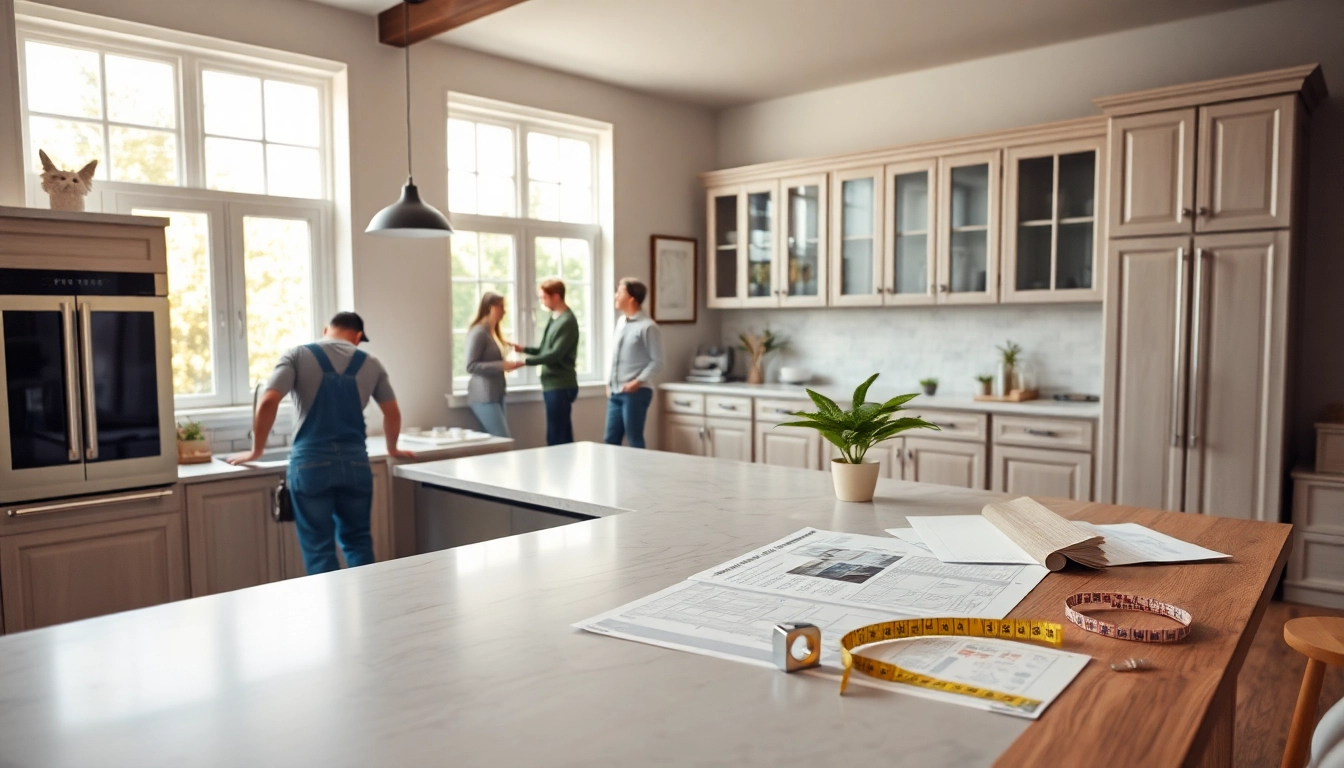
Understanding Your Home Renovation Goals
Embarking on a renovation journey can be both exciting and daunting. As a homeowner, whether you're looking to update your kitchen, add an extension, or completely reimagine your living space, it's crucial to start with a clear understanding of your renovation goals. This foundational knowledge will not only guide your project but also help ensure that your vision is successfully realized. In this article, we will explore the essential steps and considerations needed for a successful Home renovation.
Defining Your Vision
The first step in any renovation project is to define your vision. Ask yourself: What do I want to achieve with this renovation? Whether it's enhancing aesthetics, improving functionality, or increasing the property value, having a clearly defined vision will serve as the roadmap for your project. Begin by creating a mood board filled with inspiration, including images, colors, and designs to help visualize your concept.
Setting Realistic Budgets
Once your vision is in place, it's important to establish a budget. Knowing how much you're willing to spend will help to prevent any financial strain and inform your decisions. Factor in costs for materials, labor, permits, and unexpected expenses. A good rule of thumb is to allocate an additional 10-20% of your overall budget for contingencies, as these are common in renovation projects.
Identifying Key Areas for Renovation
Focus on the areas of your home that will most benefit from renovation. This could include kitchens, bathrooms, living rooms, or outdoor spaces. Prioritize these based on functionality and how often you utilize each space. For instance, kitchens and bathrooms often yield the highest return on investment, making them prime candidates for renovations.
Planning Your Home Renovation Project
With your goals clearly defined, the next phase is meticulous planning. This is where detailed logistical considerations come into play, paving the way for smooth execution.
Researching Design Trends
The renovation landscape is constantly evolving, with new design trends emerging every year. Research current trends by browsing home improvement magazines, websites, and social media platforms. This will not only inspire your design choices but also help you select styles and features that resonate with contemporary tastes while reflecting your personal style.
Creating a Detailed Timeline
A renovation can be a long and complex process, which is why having a detailed timeline is essential. Outline each phase of your renovation, including design, permits, demolition, and construction. Consider the time required for material sourcing and delivery as well. Having a comprehensive timeline helps keep the project on track and ensures that all parties involved are aligned on expectations.
Hiring Qualified Contractors
Finding the right professionals to help execute your vision is crucial. Research and hire qualified contractors with experience in the type of renovation you’re undertaking. Ask for references, review their previous work, and verify their licenses and insurance. A great contractor will not only deliver quality work but also provide valuable advice throughout the process.
Executing Your Home Renovation
As the renovation commences, effective execution becomes paramount. This is where the planning phase pays off, but it’s also important to remain flexible to deal with any challenges that may arise.
Managing the Renovation Workflow
Effective workflow management is essential during the renovation phase. Ensure that your contractors have a clear understanding of the project timeline and deliverables. Regular communication will help address any issues as they arise, whether they involve delays in material delivery or unexpected changes in design requirements.
Dealing with Challenges
Every renovation project faces challenges, whether they are budget overruns, delays, or unexpected structural issues. It is essential to remain adaptable and solution-oriented. Establish a contingency plan to handle various scenarios. Consider design modifications that can help mitigate costs if you encounter unexpected challenges.
Ensuring Quality and Compliance
Throughout the project, maintain quality control to ensure that the work aligns with both your vision and local building codes. Conduct regular inspections during various stages of the renovation. This not only facilitates compliance but also highlights any potential issues early, allowing you to address them before they escalate.
Budgeting for Your Home Renovation
The success of your renovation largely hinges on sound budgeting practices. Not only do you need an initial budget, but you also need strategies to ensure you stay within financial limits throughout the project.
Cost Estimation Techniques
Accurate cost estimations are vital for budgeting effectively. Analyze costs associated with materials, labor, and design elements. Gather quotes from multiple suppliers and contractors to secure the best pricing. An itemized budget comparing estimates can provide clarity on where your resources will be allocated and help pinpoint potential savings.
Finding Affordable Material Alternatives
Renovating on a budget doesn’t mean sacrificing quality. Consider looking for alternative materials that mimic high-end finishes but are more cost-effective. Research options such as engineered stone for countertops or laminated flooring as budget-friendly alternatives to more expensive choices, allowing you to achieve the desired aesthetic without breaking the bank.
Contingency Planning for Unexpected Expenses
Due to the nature of renovations, even the best-planned budget can face unforeseen expenses. Establish a contingency fund—typically around 10-20% of your overall budget—to manage these surprises without derailing your project. Communicate with your contractor about common issues to be aware of, and plan for expenses such as electrical or plumbing surprises that could arise during renovations.
Staging and Finalizing Your Home Renovation
As your project nears completion, focus shifts to staging and finalizing your newly renovated space. This last phase is important in ensuring that everything aligns with your vision and that the space is ready for use.
Styling and Furnishing Spaces
Once construction is complete, it's time to furnish and style your space. Select furniture and décor that blend functionality with design, enhancing the overall aesthetic. Personal touches such as artwork, plants, or unique accessories can breathe life into your space and make it feel more like home.
Conducting Final Inspections
Before concluding the project, conduct a thorough final inspection. Walk through your home with your contractor to identify any outstanding items, touch-ups, or issues that need attention. This should be your opportunity to ensure that the renovation complies with your initial vision and meets your quality expectations.
Celebrating Your New Home Space
After all the planning, effort, and potentially stress, it’s time to celebrate! Host a gathering with family and friends to showcase your newly renovated space. Create a memorable experience that acknowledges the hard work invested in the project. This not only brings joy to you but also allows others to appreciate your new and improved home.
Conclusion
Home renovations are undoubtedly intricate endeavors that require thorough planning, budgeting, and execution. By following the above steps, you'll position your project for success. Remember, your home is an extension of your identity; investing in your space can result in profound transformations not just within the structure but also in your daily life experience. Happy renovating!