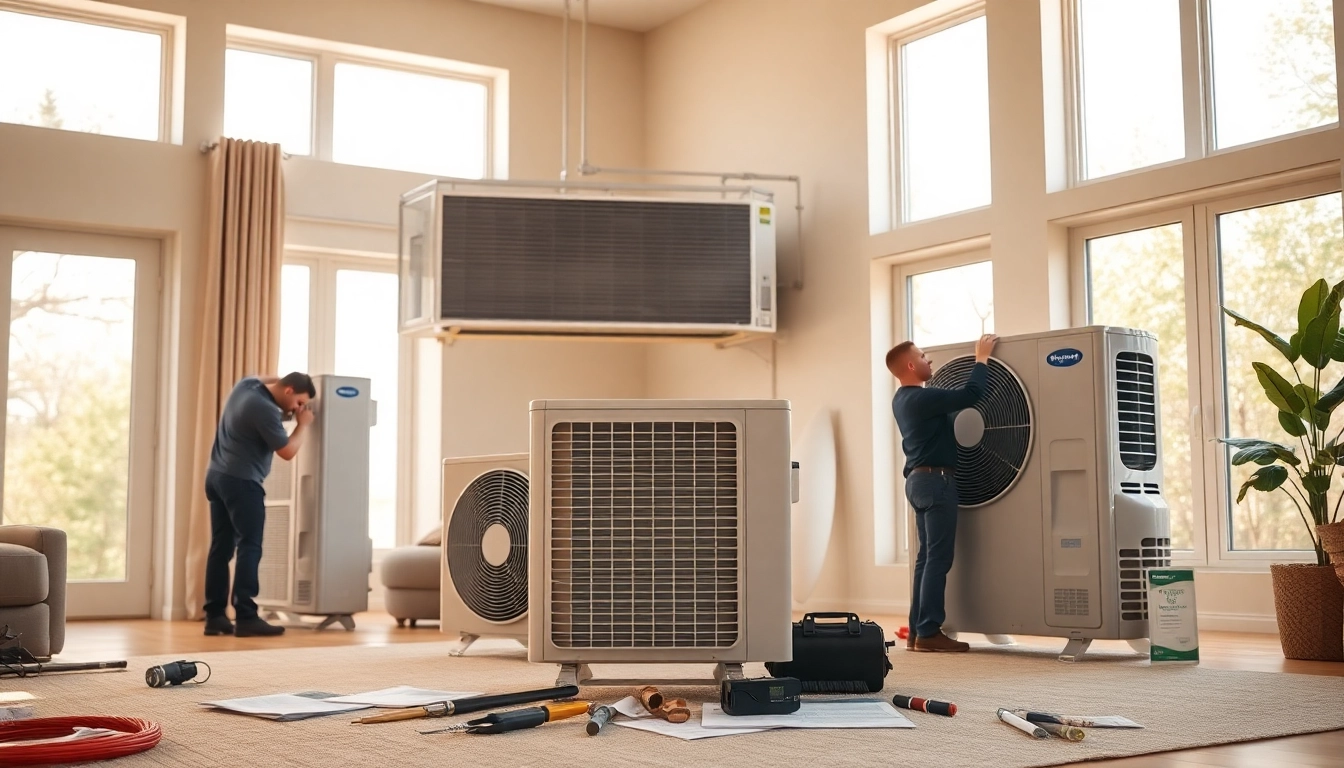
Understanding American Standard Heat Pumps
What Are Heat Pumps?
Heat pumps are versatile systems that facilitate the transfer of thermal energy from one place to another, effectively heating or cooling spaces. Unlike traditional heating systems that generate heat through combustion, heat pumps utilize electricity to move heat. This process allows them to be used efficiently in heating during cooler months and cooling during warmer months, making them ideal for homes seeking year-round comfort.
Benefits of Using American Standard Heat Pumps
When considering residential heating and cooling options, american standard heat pumps stand out for their efficiency and reliability. Some of the key benefits include:
- Energy Efficiency: American Standard heat pumps are designed for optimal energy utilization, translating to lower utility bills.
- Environmentally Friendly: By moving heat instead of generating it, these systems contribute to decreased carbon emissions.
- Versatility: They offer both heating and cooling functions, eliminating the need for separate systems.
- Quiet Operation: Designed with advanced engineering, they operate quietly, improving home comfort.
Types of American Standard Heat Pumps
American Standard heat pumps come in various types, each catering to specific needs:
- Air Source Heat Pumps: These extract heat from the air outside and are commonly used in moderate climates.
- Ground Source (Geothermal) Heat Pumps: These utilize the earth's stable temperature by transferring heat from the ground, making them extremely efficient.
- Water Source Heat Pumps: These systems extract heat from water bodies and are ideal for homes near lakes or rivers.
How American Standard Heat Pumps Work
Basic Principles of Heat Pump Operation
Heat pumps leverage fundamental thermodynamic principles to transfer heat. They use a refrigerant that circulates through a closed loop, absorbing heat from one location and releasing it in another. The process involves compression and expansion cycles that facilitate this transfer of thermal energy, allowing heat to be distributed effectively throughout a home.
Components of American Standard Heat Pumps
Understanding the core components of American Standard heat pumps provides insight into their functionality:
- Evaporator Coil: Absorbs heat from the environment.
- Compressor: Compresses the refrigerant, increasing its temperature and pressure.
- Condenser Coil: Releases heat into the space you want to warm.
- Expansion Valve: Regulates the flow of refrigerant and prepares it for re-entry into the evaporator.
Energy Efficiency Ratings Explained
When assessing the efficiency of American Standard heat pumps, you’ll encounter several key metrics:
- SEER (Seasonal Energy Efficiency Ratio): Measures cooling efficiency—higher numbers represent better efficiency.
- EER (Energy Efficiency Ratio): Provides a direct measure of efficiency based on cooling output divided by energy consumed.
- HSPF (Heating Season Performance Factor): Indicates the heating efficiency during the colder months.
Choosing units with higher ratings can significantly reduce energy costs over time.
Installation and Maintenance
Preparing for Installation of American Standard Heat Pumps
Proper preparation is crucial for a successful installation of American Standard heat pumps. It involves:
- Site Assessment: Evaluate the home's size, orientation, and insulation qualities to determine the right system.
- Choosing the Right Type: Based on climate and space availability, select the most suitable type of heat pump.
- Permitting and Regulations: Check for any local building codes and permits required for installation.
Regular Maintenance Tips for Optimal Performance
Maintaining American Standard heat pumps can extend their lifespan and efficiency. Here are essential maintenance tips:
- Replace Filters: Regularly change or clean air filters to improve airflow and efficiency.
- Check Ducts: Inspect and seal any leaks in ducts to enhance heating and cooling performance.
- Seasonal Inspections: Schedule annual check-ups with a qualified technician to detect issues early.
Common Installation Mistakes to Avoid
Improper installation can lead to inefficiency and higher costs. Common mistakes include:
- Incorrect Sizing: Installing a unit that is too small or too large can lead to inefficiencies.
- Poor Placement: Lack of access to proper airflow can impair performance. Ensure units are placed in optimal locations.
- Neglecting Insulation: Skimping on proper insulation reduces the system’s effectiveness.
Cost Analysis
Initial Costs of American Standard Heat Pumps
Understanding the initial investment is essential for homeowners. The cost of American Standard heat pumps can vary widely depending on factors such as the type of heat pump, installation complexity, and specific home requirements. Air source heat pumps tend to be the most affordable, while geothermal options require a more significant up-front investment but offer long-term savings.
Long-Term Savings Through Energy Efficiency
The up-front costs of American Standard heat pumps may seem daunting, but their energy efficiency leads to significant savings over time. Homeowners often see reductions in their energy bills, making these systems not only cost-effective but also cost-saving in the long run. The ROI (return on investment) can be substantial, thanks to lower operational costs.
Financing Options for Homeowners
For those concerned about the initial costs, there are financing options available. Many HVAC companies offer financing plans that can help spread the cost of purchasing and installing American Standard heat pumps over time. Additionally, some government incentives and rebates may assist homeowners in affording energy-efficient upgrades.
Frequently Asked Questions
1. What is the average lifespan of American Standard heat pumps?
Typically, American Standard heat pumps last between 15 to 20 years with proper maintenance, making them a reliable long-term investment.
2. Are American Standard heat pumps suitable for all climates?
Yes, they perform efficiently in a variety of climates, offering versatile heating and cooling solutions that adapt to seasonal changes.
3. How do I choose the right size American Standard heat pump?
Consult a professional who can assess your home's size, layout, and insulation to ensure optimal capacity for effective heating and cooling.
4. Do American Standard heat pumps require a lot of maintenance?
They do need regular checks, but with annual maintenance, they operate smoothly and efficiently, minimizing repair costs and downtime.
5. Can American Standard heat pumps reduce my energy bills?
Yes, designed for energy efficiency, they can result in lower energy bills over time, making them a cost-effective choice for homeowners.