Understanding the Role of Railroad Contractors
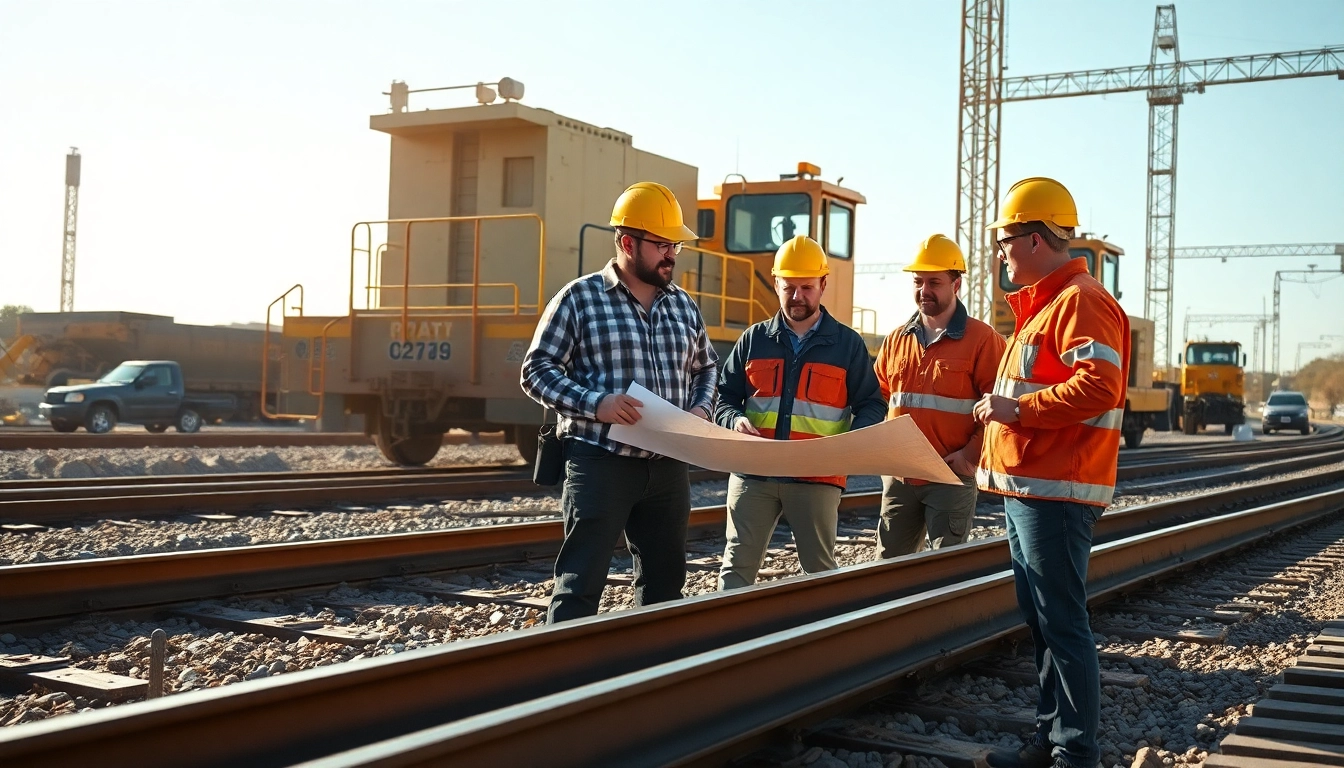
Railroad contractors play a pivotal role in the development and maintenance of rail systems across the industry. Their expertise is crucial in ensuring the safe, efficient, and sustainable operation of railroads. With a focus on infrastructure development, railroad contractors are responsible for various activities, from construction and rehabilitation to maintenance of tracks and facilities. These professionals must navigate a complex landscape that requires both technical knowledge and practical application. To understand their impact on the rail industry, let's delve into the various responsibilities and importance of Railroad Contractors.
What Railroad Contractors Do
Railroad contractors are tasked with multiple roles that encompass the entire life cycle of rail infrastructure. Their duties include:
- Construction: This involves the building of new rail lines, bridges, and terminals. They utilize engineering plans to ensure the correct implementation of structures that meet safety and operational standards.
- Maintenance: Regular maintenance is crucial for rail safety and efficiency. Contractors oversee inspections, repairs, and upgrades of existing infrastructure, ensuring compliance with regulatory standards.
- Project Management: Coordinating various teams, budgets, timelines, and compliance is part of their daily operations. Effective project management minimizes delays and cost overruns.
- Consultation: They often provide consulting services to rail operators, advising on best practices, regulatory compliance, and technologies that can enhance operations.
Importance in Infrastructure Development
The role of railroad contractors is central to infrastructure development due to their contributions to economic growth and sustainability. Effective rail systems facilitate the movement of goods and people while reducing congestion on roadways. Here are some key points highlighting their importance:
- Economic Impact: Railroads are vital for transporting goods efficiently across vast distances, fostering trade and economic growth.
- Job Creation: Construction and maintenance of railroads generates employment opportunities in various sectors, from engineering to labor.
- Environmental Benefits: Trains are more energy-efficient than trucks, reducing carbon emissions and promoting sustainable transportation.
Key Skills Required
To excel in this challenging field, railroad contractors must possess a variety of skills, including:
- Technical Knowledge: A strong foundation in engineering, construction methods, and safety regulations is essential.
- Project Management: Effective planning, execution, and oversight of projects demand strong organizational and leadership skills.
- Problem Solving: Encountering unexpected challenges and finding solutions on the fly is a critical aspect of the job.
- Communication: Clear communication with diverse stakeholders, including clients, workers, and regulatory bodies, is key to project success.
Challenges Faced by Railroad Contractors
While the role of railroad contractors is integral, they face significant challenges that can affect project timelines, safety, and compliance. Understanding these challenges can help inform better strategies and solutions.
Environmental Compliance Issues
Railroad projects often intersect with sensitive ecosystems, requiring contractors to adhere to strict environmental regulations. Navigating these laws can be cumbersome, as failure to comply can result in costly fines and project delays. To mitigate these issues, contractors must:
- Conduct comprehensive environmental assessments
- Implement eco-friendly practices in construction and operation
- Engage with environmental groups and regulatory agencies
Budget Management Difficulties
Staying within budget is a perennial challenge for railroad contractors. Unexpected issues, such as price fluctuations in materials and labor shortages, can quickly derail financial plans. To counteract these difficulties, contractors can:
- Develop detailed budgeting procedures and contingency plans
- Regularly review and adjust financial projections
- Establish strong relationships with suppliers to ensure stable pricing
Safety Regulations and Standards
Railroad contractors must adhere to stringent safety regulations to protect workers and the public. Non-compliance can lead to severe consequences, including accidents and legal repercussions. To maintain high safety standards, contractors should:
- Regularly train employees on safety procedures
- Conduct safety audits and inspections
- Foster a culture of safety commitment at all levels of the organization
Innovations in Railroad Contracting
As rail technology evolves, railroad contractors must stay abreast of the latest innovations to enhance efficiency and sustainability. Embracing new technologies can provide a competitive edge and improve overall project outcomes.
New Technologies Impacting Operations
Innovations such as automation, data analytics, and improved materials are reshaping railroad construction and maintenance. Key advancements include:
- Automation: Automated machinery can enhance construction efficiency and reduce labor costs.
- Data Analytics: Utilizing data to predict maintenance needs can extend asset life and minimize disruptions.
- Advanced Materials: New, durable materials promote longevity and sustainability in rail infrastructure.
Best Practices for Efficiency
To optimize operations, railroad contractors can adopt several best practices, including:
- Implementing lean construction techniques to reduce waste
- Utilizing project management software for real-time tracking
- Fostering a collaborative environment among stakeholders to improve communication
Adopting Sustainable Practices
As environmental concerns take center stage, railroad contractors must prioritize sustainability. Practices that promote eco-friendliness can include:
- Using recycled materials in construction projects
- Investing in renewable energy solutions to power operations
- Implementing efficient waste management procedures
Collaboration with Other Stakeholders
Successful railroad projects rely heavily on collaboration among various stakeholders. Effective partnerships can drive project success and foster shareholder satisfaction.
Working with Local Governments
Collaboration with local governments is essential for obtaining necessary permits and navigating regulatory landscapes. Engaging with these bodies early in the planning process can streamline operations. Key strategies include:
- Establishing clear communication channels with local officials
- Understanding community needs and concerns
- Aligning project goals with public interests
Partnerships with Engineering Firms
Engineering firms provide invaluable expertise in design and technical aspects of rail projects. Building strong partnerships ensures that projects are not only feasible but also adhere to engineering standards. Successful partnerships can involve:
- Co-development of engineering solutions
- Joint risk assessments to identify potential hazards
- Collaborative problem-solving throughout the project lifecycle
Engaging the Community in Projects
Engagement with local communities helps gain support and minimize opposition. Transparency and community engagement can also enhance the project's social license. Effective tactics include:
- Hosting public meetings to discuss project objectives
- Soliciting feedback from local residents
- Providing updates throughout the project to maintain trust
Future Trends for Railroad Contractors
The railroad industry is poised for significant changes in the coming years. Understanding these trends allows contractors to adapt and thrive within a dynamic environment.
Impact of Electrification on Rail Systems
Electrification is emerging as a game-changer in the railroad sector. By transitioning to electric trains, contractors can reduce dependence on fossil fuels. Key considerations include:
- Investing in infrastructure for electrification
- Understanding the technical aspects of electrical systems
- Evaluating the economic viability of electrification projects
Smart Rail Technologies
Smart rail technologies, including real-time monitoring and automation, are enhancing operational efficiency. These technologies are expected to revolutionize the industry by promoting safety and performance. Contractors should focus on:
- Integrating IoT devices for monitoring rail conditions
- Leveraging predictive analytics to anticipate maintenance needs
- Ensuring compatibility of smart technologies with existing systems
Economic Trends Influencing the Industry
Various economic trends dictate the direction of the railroad industry, from global supply chain dynamics to the rise of e-commerce. Contractors must adapt their strategies by:
- Analyzing market demands and adjusting capacity plans
- Exploring partnerships with e-commerce firms for logistics support
- Investing in innovative technologies that enhance competitiveness
Frequently Asked Questions
What are the primary responsibilities of railroad contractors?
Railroad contractors manage the construction, maintenance, and rehabilitation of rail infrastructure, including tracks and terminals, while ensuring safety and efficiency.
What skills do railroad contractors need?
Key skills include technical knowledge in engineering and safety regulations, project management capabilities, problem-solving skills, and effective communication.
How do railroad contractors ensure environmental compliance?
They conduct environmental assessments, engage with regulatory agencies, and implement eco-friendly construction practices to meet compliance standards.
What are some challenges faced by railroad contractors?
Common challenges include budget management, navigating safety regulations, and ensuring environmental compliance, all of which can impact project timelines.
What future trends are expected in railroad contracting?
Future trends include the electrification of rail systems, the adoption of smart technologies, and evolving economic influences shaping the rail transport landscape.