Getting Started with Saltwater Fly Fishing
Embarking on a Saltwater fly fishing adventure can be an exhilarating experience for anglers of all skill levels. The sprawling ocean offers a distinct playground compared to freshwater fishing, attracting a variety of species that present unique challenges and rewards. In this comprehensive guide, we will take a deep dive into saltwater fly fishing, covering everything from equipment essentials to advanced techniques and the best locales for fishing.
Understanding the Basics of Saltwater Fly Fishing
Saltwater fly fishing differs fundamentally from traditional freshwater fishing, primarily due to the environment and the species targeted. The primary distinction lies in the techniques and gear used to catch fish that inhabit saline waters, which generally behave differently from their freshwater counterparts. Factors such as tide, weather conditions, and species-specific behaviors significantly influence fishing strategies.
Essential Gear You Need for Saltwater Fly Fishing
Equipping oneself for saltwater fly fishing demands some specialized gear due to the harsh marine conditions. Here’s a detailed breakdown of the essentials:
- Fly Rod: A durable rod designed for saltwater use is crucial. Look for models that offer more strength and weight compared to freshwater rods.
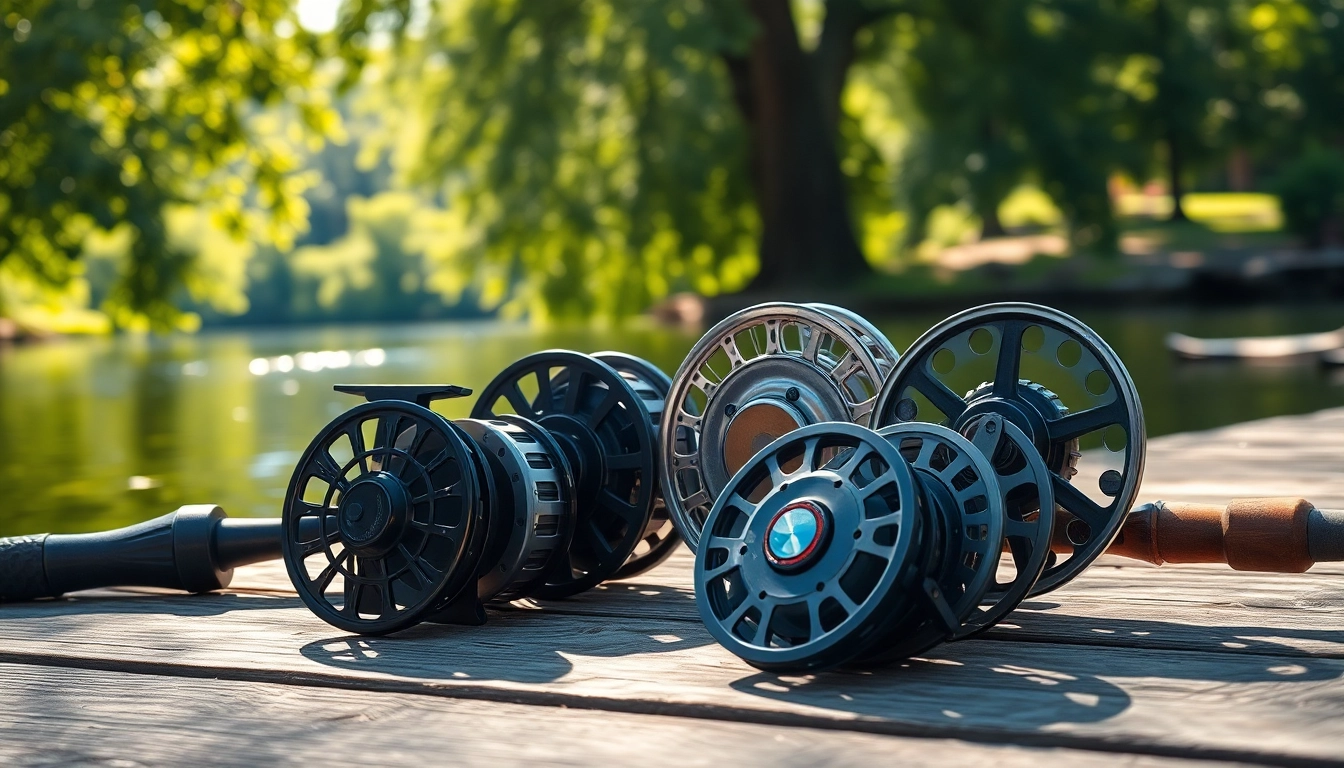
- Reel: A high-quality, corrosion-resistant reel with a robust drag system is essential for handling large saltwater species.
- Lines: Select a weight-forward floating line for general use. Ensure you have the correct taper to suit your casting style and local conditions.
- Flies: Saltwater flies vary widely depending on the species targeted. Familiarize yourself with effective patterns for local fish.
- Leader and Tippet: Use a sturdy leader that can withstand abrasion and vary its length based on the species you're targeting.
- Clothing and Accessories: Lightweight, sun-protective clothing and polarizing sunglasses are crucial for comfort and visibility on the water.
Choosing the Right Location for Saltwater Fly Fishing
Location can make or break your Saltwater fly fishing experience. Factors like current patterns, tides, and food sources heavily influence fish behavior. Popular locales include:
- Flats: Shallow areas where fish like Bonefish and Permit feed.
- Reefs: Structures where larger predatory fish lurk.
- Estuaries: Perfect for targeting a variety of species due to abundant food sources.
Saltwater Fly Fishing Techniques
Key Casting Techniques for Saltwater Fly Fishing
Mastering casting techniques is vital for success in saltwater fly fishing. The wind, water, and fishing targets often require adaptations to standard freshwater casts. Some essential techniques include:
- Double Haul: This technique helps deliver distance quickly, crucial for reaching fish in windy conditions.
- Curve Cast: Adds versatility to your presentation, allowing for better fly placement.
- Roll Cast: Useful in tight situations where backcasting is limited.
Presenting Flies: Strategies for Success
Properly presenting the fly is equally important as selecting the right gear. Strategies depend on the target species, time of day, and prevailing conditions. Key strategies include:
- Stripping: Retrieving the fly with abrupt jerks replicates the movement of prey.
- Dead Drift: Allowing the fly to drift naturally has proven effective for certain species.
- Mending: Techniques that adjust line to make the presentation appear more natural.
Understanding Tides and Their Impact on Saltwater Fly Fishing
Tides significantly influence fish activity. Understanding the tidal phase can be key to fishing success. Fish are often more active during tidal changes, which can trigger feeding patterns:
- Incoming Tide: Generally considered one of the best times to fish, as fish move in with the tide to feed.
- Outgoing Tide: Look for fish near structures and points where they wait to ambush prey moving out of shallow areas.
Saltwater Fly Fishing Species
Popular Fish Species for Saltwater Fly Fishing
Saltwater fly fishing offers the chance to target a diverse array of species. Popular targets include:
- Bonefish: Renowned for their speed and willingness to take a fly.
- Tarpon: A fighter that often leaps when hooked.
- Snook: Known for their elusive behavior and tricky feeding patterns.
- Permit: Often regarded as one of the most challenging species to catch.
Adjusting Tactics for Different Species
Every species requires a unique approach. Tailoring tactics is critical for success. Consider the following:
- Matching Gear to Species: Use appropriate rod action and line weight for the fish targeted.
- Reading the Water: Identify where fish are likely to be feeding based on environmental conditions.
- Fly Patterns: Research local favorites and conditions to optimize fly selection.
Catch and Release Best Practices in Saltwater Fly Fishing
Preservation of fish populations is vital. Practicing proper catch and release minimizes stress on the fish:
- Handle Fish with Care: Use wet hands and avoid touching gills.
- Minimize Air Exposure: Keep the fish in water whenever possible until ready to release.
- Choose Barbless Hooks: These allow for easier removal and reduce injury to the fish.
Saltwater Fly Fishing Destinations
Top Locations for Saltwater Fly Fishing Adventures
Exploring potential fishing destinations is an integral part of your saltwater fly fishing journey. Some renowned spots include:
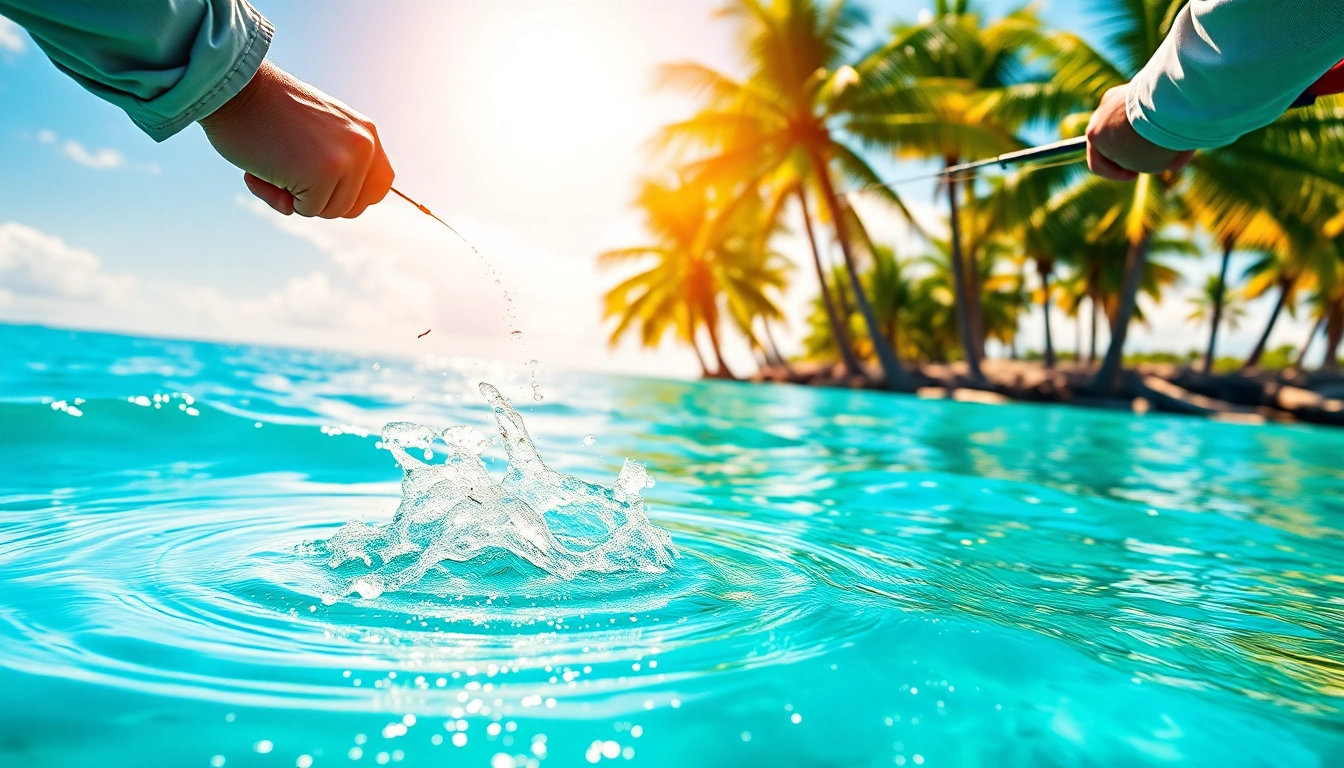
- The Bahamas: Famous for its crystal-clear waters and abundant bonefish.
- Belize: Offers a variety of ecosystems including flats, reefs, and mangroves.
- Florida Keys: A haven for anglers seeking diverse species in vibrant waters.
- Australia: Home to world-class fishing opportunities in unspoiled environments.
Planning Your Saltwater Fly Fishing Trip
Effective trip planning can greatly enhance your experience. Important considerations include:
- Timing: Research the best seasons and tides for your selected destination.
- Local Regulations: Familiarize yourself with fishing laws and conservation efforts particular to your destination.
- Guided Tours: Consider hiring local guides for insider knowledge and increased success rates.
Local Regulations and Conservation Efforts
Adhering to local regulations and participating in conservation efforts is crucial for sustainable fishing. This includes respecting catch limits, seasonal closures, and preservation initiatives. Always check with local authorities to ensure compliance and gather information on conservation programs.
Troubleshooting Common Challenges in Saltwater Fly Fishing
Dealing with Weather Conditions and Their Effects
Weather greatly impacts fishing conditions. Be prepared for unexpected changes, and always check forecasts before heading out:
- Wind: Learn how to cast in windy conditions and modify retrieve techniques.
- Temperature: Recognize that fish behavior changes with varying water temperatures.
- Storms: Stay informed about approaching storms which can displace fish.
Addressing Tackle Issues in Saltwater Fly Fishing
Ensure your equipment is in top working order to prevent issues while on the water:
- Regular Maintenance: Clean and inspect tackle to prevent rust and malfunction.
- Replacement Parts: Keep spare leaders, tippet, and fly materials easily accessible.
- Tackle Box Organization: Efficiently organize flies and tools for quick access while fishing.
How to Improve Your Success Rate in Saltwater Fly Fishing
Improving your success rate is key to making the most of your saltwater fly fishing experience. Here are actionable insights:
- Observation: Spend time observing fish behavior before casting.
- Practice: Regularly practice casting techniques to improve accuracy and distance.
- Networking: Connect with other anglers to share tips and gain insights.
FAQs about Saltwater Fly Fishing
Does fly fishing work in saltwater?
Yes, fly fishing is highly effective in saltwater, allowing anglers to catch species like Bonefish, Tarpon, and Snook.
What gear is essential for saltwater fly fishing?
Essential gear includes a durable fly rod and reel, saltwater flies, and strong leaders to withstand the rigors of marine fishing.
Where are the best saltwater fly fishing spots?
Top locations for saltwater fly fishing include the Bahamas, Belize, and Florida, each renowned for diverse marine life.
How do tides affect saltwater fly fishing?
Tides significantly impact fish behavior, with many species feeding more actively during tidal changes—especially on incoming tides.
What species are commonly targeted in saltwater fly fishing?
Commonly targeted species include Tarpon, Snook, Mahi-Mahi, and Redfish, varying by location and season.