Understanding Land Irrigation: Basics and Importance
What is Land Irrigation?
Land irrigation is the method of providing controlled amounts of water to crops and plants at prescribed intervals, primarily to assist in crop production. It is crucial for maintaining healthy plant growth during dry periods or in regions where natural rainfall is insufficient. Effective land irrigation techniques can significantly enhance agricultural productivity, alleviate drought stress on crops, and ensure sustainable food production.
History of Land Irrigation Practices
The practice of land irrigation dates back thousands of years, with early systems established in ancient civilizations such as Mesopotamia, Egypt, and the Indus Valley. These civilizations recognized the importance of water management to enhance agricultural yields. With rudimentary technologies like canals and basins, early farmers could divert water from rivers to arid lands, laying the foundation for modern irrigation practices. Over time, innovations in irrigation methods have evolved, incorporating advanced technology, improving efficiency, and minimizing water wastage.
Benefits of Proper Land Irrigation
Proper land irrigation offers numerous benefits, including:
- Enhanced Crop Yields: Regular water supply ensures crops receive the necessary moisture, promoting optimal growth and maximizing harvests.
- Soil Quality Improvement: It helps maintain soil moisture levels, which is vital for nutrient absorption and overall soil health.
- Reduced Weeds: Controlled watering can help manage weed growth by ensuring that plants receive consistent moisture while denying it to unwanted species.
- Drought Resilience: Effective irrigation practices make crops less vulnerable to drought conditions, thereby stabilizing food production.
Different Types of Land Irrigation Methods
Surface Irrigation Techniques
Surface irrigation involves applying water directly to the soil surface and allowing it to flow over the field by gravity. This method includes furrow, flood, and basin irrigation techniques. One benefit of surface irrigation is its relative cost-effectiveness; however, it requires careful management to avoid issues such as water runoff and soil erosion.
Drip Irrigation Systems
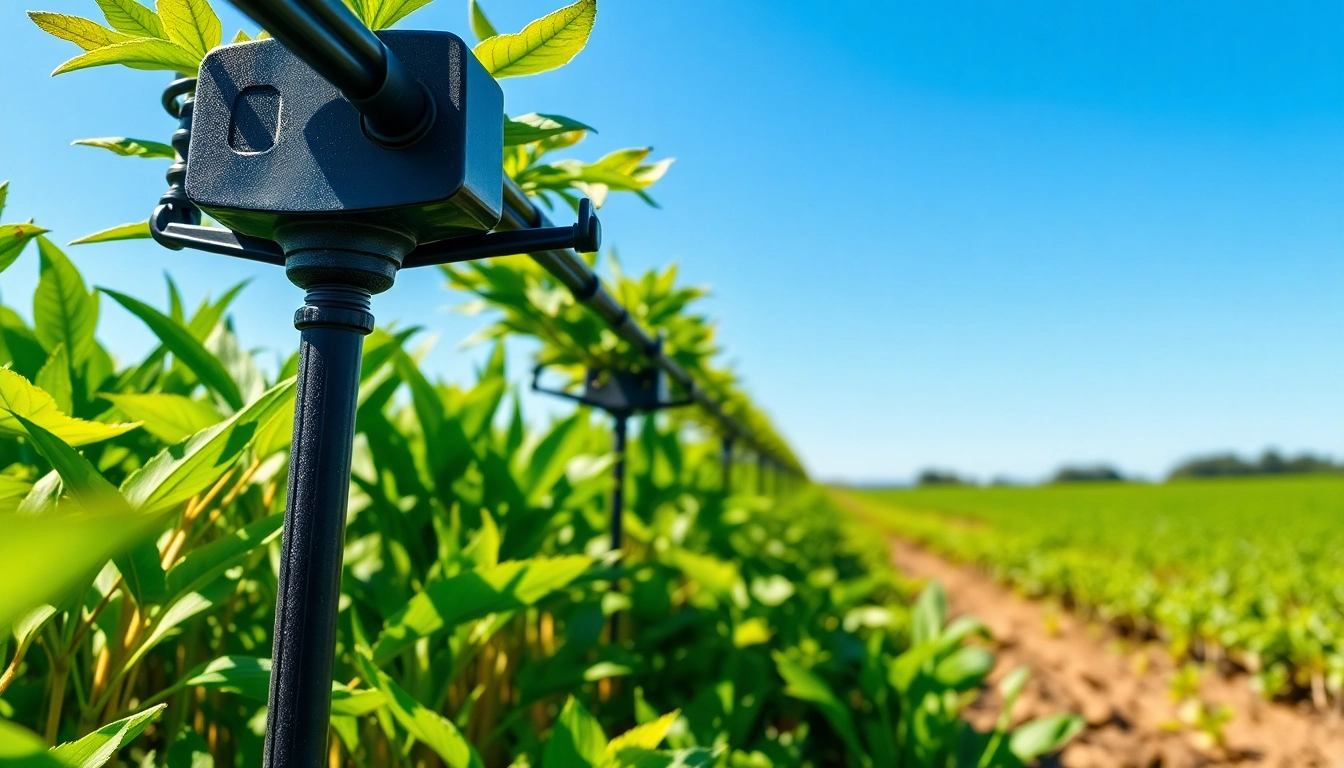
Drip irrigation delivers water directly to the plant's base through a network of pipes and emitters. This highly efficient system minimizes water waste by reducing evaporation and runoff. It is particularly beneficial for high-value crops and in regions with limited water supply, as it conserves moisture while ensuring that each plant receives adequate hydration.
Sprinkler Irrigation Methods
Sprinkler irrigation mimics natural rainfall by spraying water over the crops. It is suitable for various topographies and allows for flexible application both on surface and subsurface areas. Despite the initial setup costs, modern sprinkler systems can greatly enhance water use efficiency, particularly through advancements like low-pressure designs and rotating nozzles.
Innovative Technologies for Land Irrigation
Smart Irrigation Systems
Smart irrigation systems utilize automated technology that adjusts watering schedules based on environmental conditions such as soil moisture levels, weather forecasts, and crop needs. These systems not only increase efficiency but also reduce labor costs associated with traditional manual irrigation methods.
Use of Sensors in Irrigation
Sensors play a pivotal role in modern irrigation management. Soil moisture sensors, for instance, can provide real-time data on moisture levels, allowing farmers to irrigate only when necessary. This targeted approach not only saves water but also supports healthier plants by preventing overwatering and root diseases.
Integrating Drones for Monitoring
Drones have emerged as a valuable tool in land irrigation practices. They offer aerial surveillance capabilities to monitor crop health, irrigation patterns, and soil conditions. This data-driven approach helps farmers make informed decisions about when and how much to irrigate, thereby optimizing resource use and enhancing crop outcomes.
Challenges in Managing Land Irrigation
Water Scarcity Issues
One of the foremost challenges facing land irrigation is water scarcity. As populations grow and climate patterns shift, competition for water resources intensifies, making it critical to adopt more sustainable irrigation practices. Implementing techniques like rainwater harvesting and recycling wastewater can help mitigate these issues.
Pest and Disease Management
Irrigation systems can sometimes inadvertently promote conditions favorable for pests and diseases. Overly wet conditions can lead to mold growth, while stagnant water may attract insects. Integrated pest management strategies, combined with careful irrigation scheduling, can help reduce these risks while maintaining healthy crops.
Climate Change Impacts
Climate change poses a significant threat to agriculture, including its irrigation methods. Changes in rainfall patterns, temperatures, and increasing occurrences of extreme weather events necessitate adaptive strategies. Farmers must explore drought-resistant crop varieties and further enhance their irrigation techniques to cope with shifting environmental conditions.
Future Trends in Land Irrigation
Advancements in Irrigation Technology
As technology continues to evolve, future irrigation systems will likely integrate AI and machine learning to enhance decision-making processes and resource management. Innovations such as satellite imagery for remote monitoring and analytics will refine irrigation practices, reducing waste and increasing efficiency.
Policy Changes Affecting Land Irrigation
Policies surrounding water use and agricultural practices are evolving to promote sustainability in irrigation. Governments and organizations are increasingly encouraging water conservation initiatives, incentivizing farmers to adopt high-efficiency irrigation systems that align with environmental goals.
Sustainable Practices for the Future
Sustainability will be a key focus area in the future of land irrigation. Emphasis on practices such as geo-irrigation, which integrates digital mapping with water distribution, and embracing organic farming techniques will not only protect water resources but also improve soil health and biodiversity in farming systems.
Frequently Asked Questions (FAQs)
1. What is the most efficient irrigation method?
Drip irrigation is often considered the most efficient method as it delivers water directly to plant roots, minimizing evaporation and runoff.
2. How do you know when to irrigate?
Using soil moisture sensors can help determine the right time for irrigation by providing real-time data on soil moisture levels.
3. What are the environmental impacts of irrigation?
Irrigation can lead to water depletion and soil salinization if not managed correctly, making sustainable practices crucial for environmental protection.
4. Can irrigation affect crop yield?
Yes, proper irrigation significantly enhances crop yield by ensuring adequate moisture for optimal growth while preventing drought stress.
5. What technology can improve irrigation efficiency?
Smart irrigation systems, soil moisture sensors, and drone monitoring can greatly improve irrigation efficiency and resource management.