The Importance of Choosing the Right Vacuum
Choosing the right vacuum is crucial for maintaining a clean and healthy living environment. With various types of vacuums available on the market, understanding their functions and characteristics can make a significant difference in your cleaning routine.
Understanding Different Types of Vacuums
When it comes to vacuums, one size definitely does not fit all. The most common types of vacuums include:
- Upright Vacuums: These are the most traditional form and are best for deep cleaning carpets due to their strong suction and large capacity.
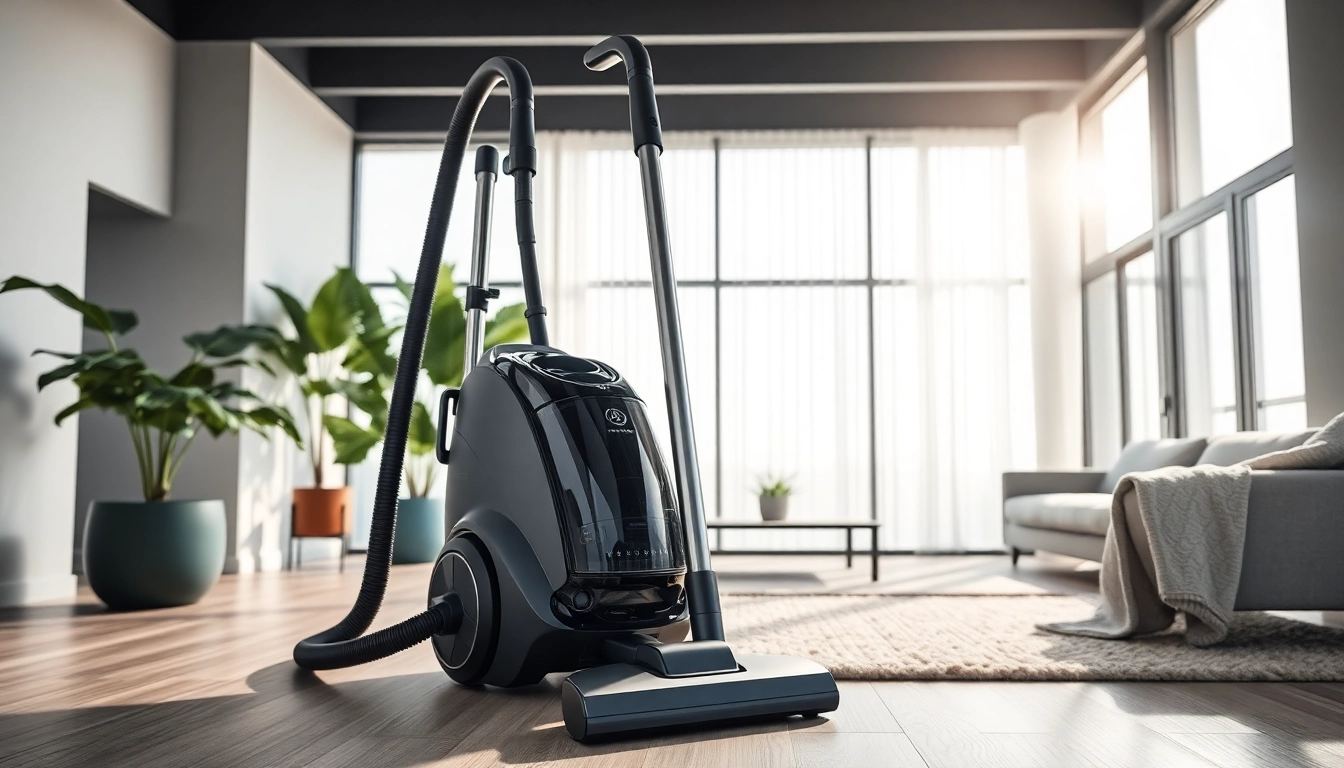
- Canister Vacuums: More versatile than uprights, canister vacuums come with a separate body and hose, making them ideal for cleaning various surfaces including hardwood, stairs, and upholstery.
- Robotic Vacuums: Automated and programmable, robotic vacuums are perfect for daily maintenance cleaning. However, they often cannot match the suction power of conventional vacuums.
- Handheld Vacuums: These are compact, lightweight, and great for quick clean-ups and tight spaces, but they are not suitable for large areas or deep cleaning tasks.
- Wet/Dry Vacuums: Designed to handle both liquid spills and dry debris, these are typically used in workshops or garages but can be handy in homes too.
Key Features to Look For in a Vacuum
The myriad of models and brands can make selecting a vacuum daunting. Here are essential features to consider:
- Suction Power: This is a significant factor in determining how effective a vacuum will be at removing dirt and debris.
- Filtration System: High-efficiency particulate air (HEPA) filters are essential for trapping allergens and fine particles, enhancing indoor air quality.
- Noise Level: Some vacuums operate quietly, which is particularly important if you have pets or children.
- Weight and Maneuverability: Lightweight models are often more manageable, especially if you need to carry them up and down stairs.
- Attachments and Accessories: The versatility of a vacuum can be enhanced with the right accessories like crevice tools and upholstery brushes, allowing you to clean different surfaces effectively.
How a Vacuum Enhances Indoor Air Quality
Vacuuming is not just about cleanliness; it significantly contributes to improving indoor air quality. Dust, pet dander, and other allergens can accumulate on surfaces, and a quality vacuum removes these contaminants efficiently. Regular vacuuming, especially with a model that features a HEPA filter, can help maintain a healthier home by minimizing allergy triggers and respiratory problems.
Mastering Vacuum Techniques for Optimal Performance
Best Practices for Vacuuming Various Surfaces
Different surfaces require different vacuuming techniques for optimal results:
- Carpets: Vacuum slowly and in multiple directions to ensure dirt is thoroughly removed from all angles.
- Hardwood Floors: Use a vacuum with a soft brush or switch off the rotating brush to prevent scratches.
- Upholstery: Utilize attachments designed for fabrics to prevent damage and effectively remove dust and allergens.
- Stairs: Consider handheld vacuums that provide flexibility and ease of use for this tricky surface.
How to Maintain Your Vacuum for Longevity
Maintenance is critical for a vacuum's longevity and efficiency. Here are some key points to keep in mind:
- Empty Dust Canister/Replace Bags: Full dust bins and bags can restrict airflow, reducing suction power.
- Clean or Replace Filters: Regularly inspect filters; HEPA filters often require regular cleaning or replacement to function effectively.
- Check Brush Roll: Remove hair or debris wrapped around the brush roll to keep it spinning freely.
- Inspect Hoses: Look for clogs or blockages that could be affecting performance.
Vacuuming Tips for Pet Owners: Tackling Fur and Dander
Pets can contribute significantly to dust and allergens in the home. Here are some specialized tips for pet owners:
- Choose a Pet-Friendly Vacuum: Look for models designed to handle pet hair, often featuring specialized brushes and stronger suction.
- Vacuum Regularly: Frequent cleaning is necessary to manage pet fur and dander effectively.
- Target High-Traffic Areas: Focus on spots where pets spend the most time, such as favorite resting areas or near litter boxes.
Exploring Vacuum Technology Innovations
Recent Advancements in Vacuum Technology
The vacuum industry has seen a flurry of innovations, enhancing performance and user experience:
- Smart Technology: Many modern vacuums incorporate smart capabilities, allowing users to control them via mobile apps or voice commands.
- Improved Battery Life: Cordless models now offer longer battery life and quicker charging, providing greater convenience.
- Advanced Sensors: Intelligent sensors can detect different floor types and adjust suction power accordingly.
Smart Features That Enhance Vacuum Functionality
Today's vacuums are equipped with features that make cleaning more efficient:
- Automatic Dirt Detection: This feature allows the vacuum to focus on areas that need more attention.
- Mapping Technology: Some advanced models can create a map of your home, optimizing cleaning patterns for efficiency.
- Scheduling Capabilities: Set cleaning schedules that fit your routine, ensuring your floors stay clean without manual intervention.
The Role of Eco-friendly Materials in Vacuums
As consumers become more environmentally conscious, manufacturers are responding by incorporating eco-friendly materials into vacuum production. Biodegradable components and recyclable packaging are becoming standard practice. Additionally, energy-efficient models can help lower energy usage, contributing to a greener lifestyle.
Common Vacuum Problems and Solutions
How to Troubleshoot a Vacuum That Won't Turn On
If your vacuum won't turn on, there are a few steps you can take:
- Check the Power Source: Ensure that the vacuum is plugged in and that the outlet is functional.
- Inspect the Cord: Look for frays or breaks in the power cord that could impede electricity flow.
- Examine the Safety Switch: Many vacuums come with a reset button; pressing this may solve the issue.
Fixing Common Clogs and Technical Issues
Clogs can inhibit your vacuum’s performance. If you notice a drop in suction:
- Identify the Clog Location: Start by checking the hose, filter, and brush roll for blockages.
- Utilize a Long Object: A broom handle or similar object can help dislodge items stuck within the hose.
- Referral to the Manual: Refer to your vacuum’s user manual for specific troubleshooting guides tailored to your model.
When to Replace Your Vacuum: Signs to Watch For
Even with proper maintenance, vacuums have a finite lifespan. Here are signs that it might be time to consider a replacement:
- Decreased Suction: If your vacuum is no longer picking up dirt as effectively, despite cleaning it, it may be time for a replacement.
- Excessive Noise: Unusual noises can signal mechanical issues that may not be fixable.
- Old Age: If your vacuum is over a decade old, consider investing in a newer model that offers better technology and efficiency.
Vacuum Maintenance: Ensuring Lasting Performance
The Importance of Regular Maintenance Routines
A vacuum that is well-maintained will last longer and perform better. Establishing a regular maintenance routine can prevent many common issues, ensuring consistent cleaning power.
How to Clean Different Parts of Your Vacuum
Proper cleaning of each vacuum component is crucial for optimal performance:
- Dust Bin: Empty and wash the dust bin regularly to prevent dirt buildup.
- Filters: Clean or replace filters as per the manufacturer's recommendations, usually every few months.
- Brush Rolls and Hoses: Take time to remove hair and debris from brush rolls and ensure hoses are free from blockages.
Benefits of Professional Vacuum Servicing
While DIY maintenance is integral, professional servicing can help identify hidden issues. Technicians can provide thorough cleaning and repairs that may extend the vacuum's lifespan, as well as improve its efficiency. Investing in a professional check-up at least once a year can save money in the long run by prolonging the need for replacements.