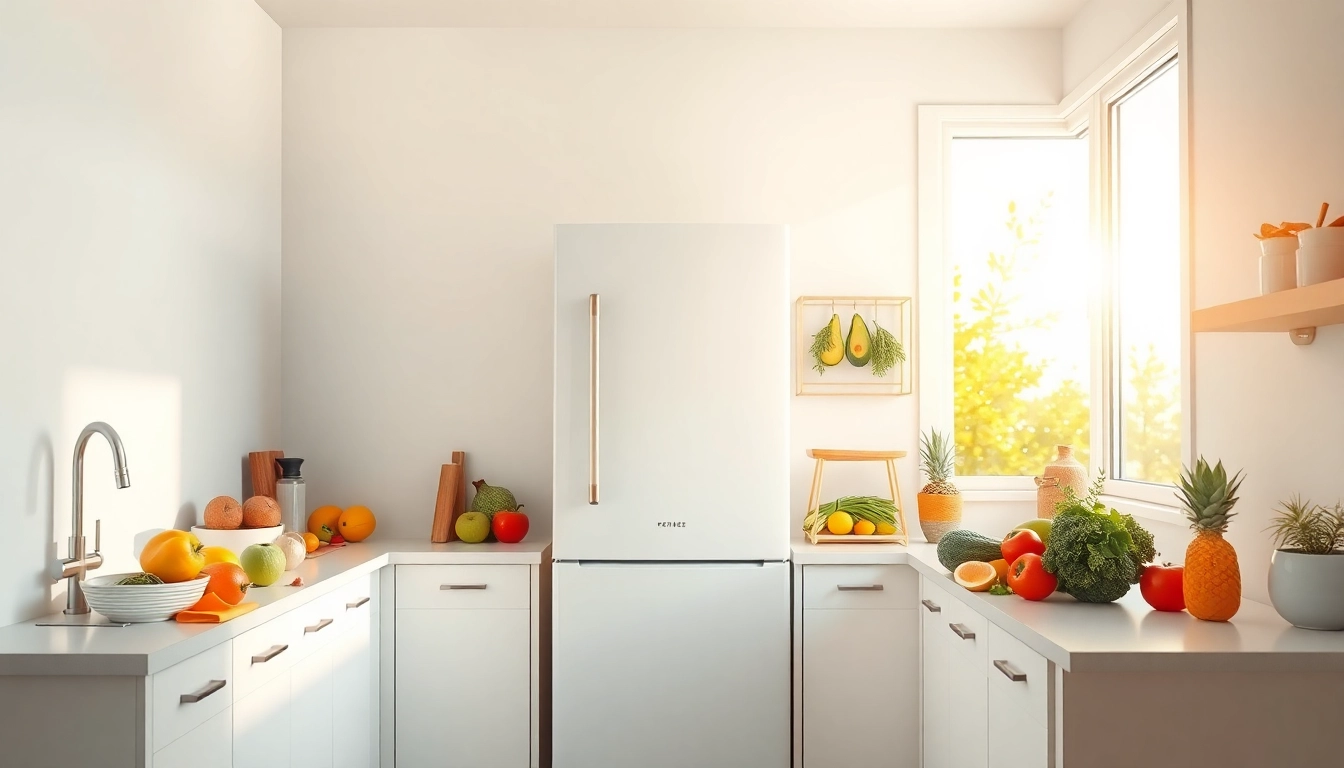
Understanding the Basics of Refrigerator Types
Choosing the right Refrigerator often depends on understanding the different types available and what each brings to the table in terms of functionality and design. Every household has unique needs, making it essential to explore the various refrigerator types in detail.
Top-Freezer Refrigerators: A Classic Choice
Top-freezer refrigerators are the traditional style we’ve come to know. With a freezer compartment located above the refrigerator section, they provide ample storage for both frozen goods and fresh items. These refrigerators offer simplicity and efficiency, making them a go-to choice for many families. A classic top-freezer model can typically hold anywhere from 14 to 22 cubic feet, catering to various storage needs.
One of the most significant advantages of top-freezer refrigerators is their efficient use of space. They often have a smaller footprint than other styles, making them ideal for kitchens with limited room. The layout is user-friendly, with fresh food easily accessible at eye level while the freezer remains conveniently above.
Bottom-Freezer Refrigerators: Convenience Meets Style
Emerging as a stylish alternative, bottom-freezer refrigerators place the freezer below the fresh food compartment. This design enhances accessibility, as the items you use most frequently are at eye level. Many models also come with drawers, making organization a breeze.
Bottom-freezer units generally offer greater storage versatility. Some models feature adjustable shelving and removable trays, allowing homeowners to customize the interior layout according to their needs. Plus, with the freezer below, it’s easier to view and access frozen foods without bending down, ultimately improving the user experience.
Side-by-Side Refrigerators: Space and Accessibility
Side-by-side refrigerators combine the refrigerator and freezer compartments into two vertical halves, providing easy access to both sides. This layout is especially beneficial for families who often retrieve items from both compartments simultaneously. Most side-by-side models feature water and ice dispensers, catering to modern conveniences.
These refrigerators are ideal for narrow kitchen spaces since they require less door swing space compared to traditional designs. However, they may have a smaller overall capacity compared to top- or bottom-freezer models. Users should consider their storage needs to determine whether this profile fits them.
Key Features to Consider in a Refrigerator
Energy Efficiency Ratings: Saving Costs & Environment
When choosing a refrigerator, energy efficiency should be a top priority. An ENERGY STAR-rated model can significantly reduce monthly electricity bills and greenhouse gas emissions. These refrigerators not only perform better but often come with additional features that enhance energy-saving capabilities.
For instance, consider models with LED lighting, which provides better illumination while consuming less energy compared to traditional incandescent bulbs. Moreover, features such as automatic defrost and adaptive cooling systems help optimize energy use based on the refrigerator's internal temperature.
Storage Solutions: Maximizing Usable Space
Modern refrigerators come with a plethora of storage solutions designed to maximize space. Look for models with adjustable shelves, door bins, and dedicated compartments for specific types of food. Some units even have humidity-controlled crisper drawers for fruits and vegetables.
Incorporating flexible shelving arrangements allows users to customize their storage based on their dietary preferences and shopping patterns. Additional features like pull-out drawers or sliding shelves can also facilitate better organization and accessibility.
Smart Technology: Enhancing Daily Life
The integration of smart technology in refrigerators has revolutionized how we manage our food storage. From Wi-Fi connectivity and touchscreen displays to internal cameras, these features allow users to monitor their refrigerator's contents remotely.
Some advanced models even offer recipe suggestions based on available ingredients, send notifications when supplies are running low, and can even permit remote temperature adjustments. Such innovations contribute to smarter grocery shopping habits, potentially reducing food waste.
How to Measure Your Space for a Refrigerator
Key Dimensions: Ensuring a Perfect Fit
Before purchasing a refrigerator, it’s crucial to measure the space where it will be installed. Key dimensions include the height, width, and depth of the area. Always ensure there’s enough space for ventilation and door clearance. Don’t forget to consider the height of any cabinets or countertops nearby, as they may limit which models can fit.
Door Swing Considerations: Easy Access
Door swing is another vital factor. Check if the refrigerator doors will hit walls or cabinets when opened fully. Reversible door hinges can offer flexibility if you’re tight on space. Additionally, consider the ease of accessing the refrigerator’s farthest corners, especially for larger models.
Ventilation Space: Importance of Airflow
Proper ventilation is essential for a refrigerator's efficiency. Most manufacturers recommend leaving a gap of at least one inch on all sides for airflow. This space allows the compressor to function effectively and prolongs the appliance's lifespan. Neglecting proper ventilation can lead to overheating and increased energy consumption.
Best Practices for Maintaining Your Refrigerator
Regular Cleaning: Keeping It Fresh
A clean refrigerator not only looks good but also operates efficiently. Routine cleaning tasks should include wiping down surfaces, cleaning spills immediately, and removing outdated items. At least once a season, deep clean your refrigerator by unplugging it, taking out all items, and scrubbing shelves and drawers with a mild detergent.
Efficient Organization: Reducing Waste
Organizing your refrigerator helps in reducing waste and making food easier to find. Use bins or baskets to separate items, label everything clearly, and implement a first-in-first-out system to ensure older items are used before newer purchases. Proper organization can also contribute to the appliance's airflow, enhancing efficiency.
Temperature Settings: Ensuring Optimal Performance
Maintaining the right temperature is crucial for food safety and energy efficiency. The refrigerator compartment should stay at about 37°F (3°C), while the freezer should be at 0°F (-18°C). Use a thermometer to periodically check the internal temperatures and make adjustments as needed.
FAQs about Refrigerators
What is the average lifespan of a Refrigerator?
Typically, a Refrigerator lasts about 10 to 15 years, depending on usage and maintenance.
How do I know if my Refrigerator is energy efficient?
Look for the ENERGY STAR rating, indicating better energy use and reduced utility bills.
What size Refrigerator do I need for a family?
A family usually requires a Refrigerator with 18 to 25 cubic feet of space, but it depends on your needs.
Can I put my Refrigerator outside?
It's best to keep a Refrigerator indoors; outdoor placements can damage internal components.
How often should I clean my Refrigerator?
Clean your Refrigerator every 3 to 6 months to maintain hygiene and efficiency.