
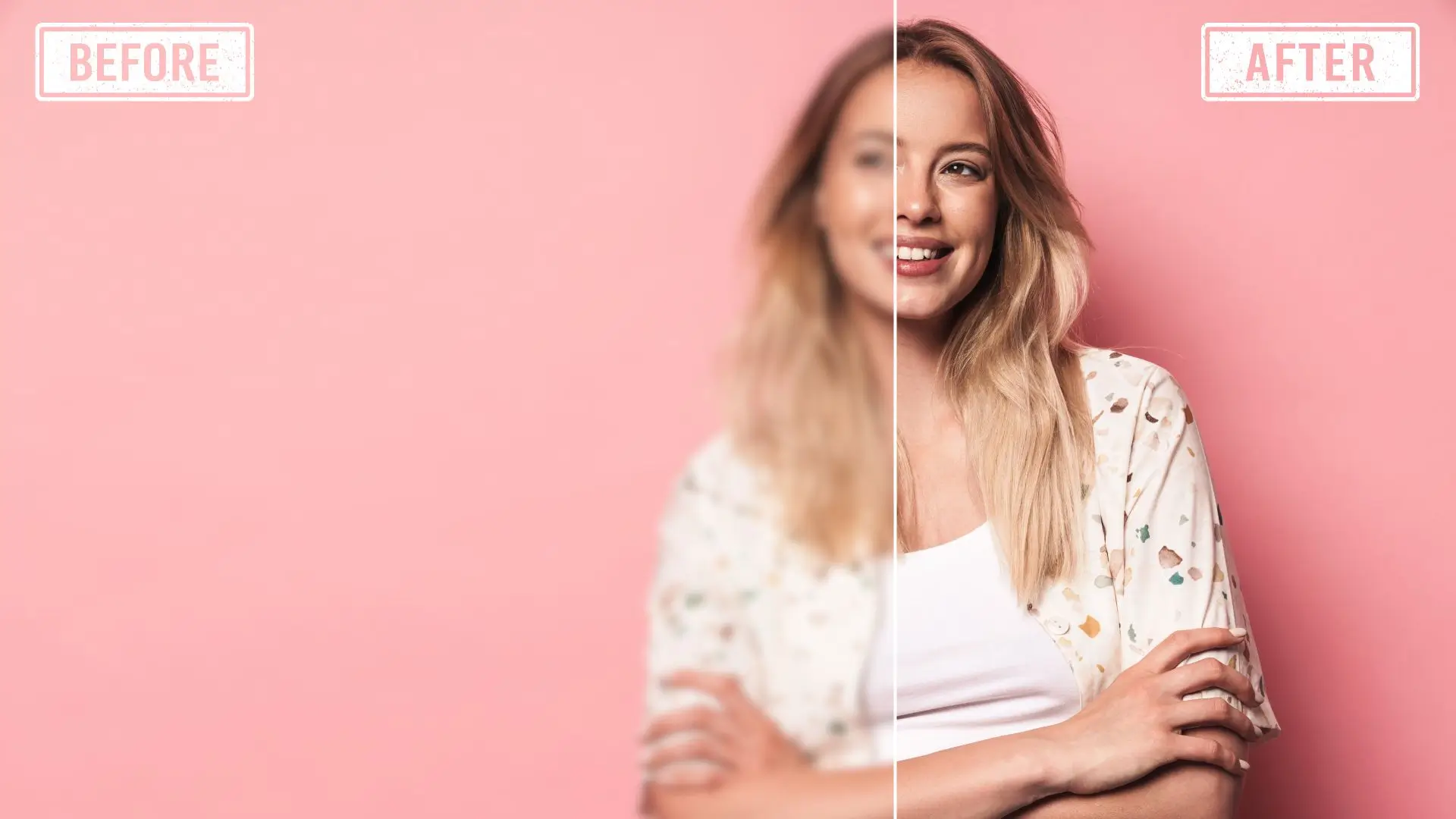
In the past decade, social media has transformed how beauty is perceived, shared, and evaluated. Scroll through platforms like Instagram, Snapchat, or TikTok, and a common trend emerges: faces appear flawless, skin is poreless, eyes are bright, and bodies are often digitally sculpted to idealized proportions. This wave of perfect visuals is largely driven by beauty filters, which can subtly or dramatically enhance a person’s appearance in real time. While these tools are marketed as fun and creative, mounting evidence suggests that they are influencing not only individual self-perception but also societal standards of beauty.
Recent research highlights that the psychological and social impact of beauty filters extends far beyond casual use. Constant exposure to digitally optimized images can reshape expectations of attractiveness, influence dating and workplace behavior, and affect mental health across all age groups. Gilmore Health News has reported extensively on how these tools are reshaping beauty norms worldwide, creating an environment where digital perfection becomes a reference point for real-world appearance. This article explores the mechanisms through which beauty filters influence perceptions, the societal implications, and strategies to mitigate negative outcomes while engaging with this technology responsibly.
How Beauty Filters Alter Perception: Insights from Research
Beauty filters go beyond simple photo editing. Unlike conventional image adjustments, modern filters modify skin texture, facial structure, and body proportions instantly, often producing subtle effects that feel natural. This capability allows users to create an idealized version of themselves with minimal effort.
Gilmore Health News cites multiple research studies indicating that repeated exposure to these altered images can reshape what people perceive as normal or desirable. When filtered visuals dominate social media feeds, users begin to internalize these standards, unconsciously comparing themselves to images that are often unattainable without digital enhancement. Over time, this process shifts self-perception, making natural features feel flawed and ordinary appearance less acceptable. Research suggests that these effects are not just psychological—they can influence social interactions, dating choices, and professional self-presentation, demonstrating the pervasive influence of digital beauty culture.
The Psychological Mechanism: Appearance Surveillance and Self-Objectification
One of the key ways beauty filters impact mental health is through a process known as appearance surveillance. This involves constantly monitoring one’s own looks as if being judged by others. A research study referenced by Gilmore Health News found that individuals who frequently use beauty filters report higher levels of self-objectification, a state in which one evaluates oneself primarily based on appearance rather than abilities or personality traits.
Appearance surveillance manifests in both subtle and significant ways. Users may repeatedly check their skin, facial symmetry, or body shape, or worry that their unfiltered appearance falls short of digital standards. This constant self-monitoring consumes cognitive resources, increasing stress and anxiety while diminishing focus on meaningful interactions and personal goals. Research shows that these patterns are particularly pronounced in adolescents and young adults, though adults and older users are also susceptible to anxiety related to aging, workplace presentation, and dating.
Filters and Social Comparison: Evidence from Research
Beauty filters also amplify social comparison, which is a core psychological mechanism linking social media to mental health outcomes. Even when people are aware that images are digitally enhanced, exposure often triggers automatic emotional responses. Users may feel their natural appearance is inadequate compared to the polished faces and sculpted bodies they encounter online.
Gilmore Health News highlights research demonstrating that this heightened comparison can foster an “upgrade mindset,” particularly in dating and social scenarios. Individuals may constantly seek partners or peers who appear more visually attractive according to digital standards, reducing appreciation for natural variation in features and body types. Over time, this can erode empathy, make relationships feel more transactional, and increase societal pressure to conform to digitally defined ideals.
Internalization of Filtered Beauty: What Research Reveals
Internalization occurs when external beauty standards are absorbed and treated as personal benchmarks. Studies reviewed by Gilmore Health News suggest that beauty filters accelerate internalization, particularly when users post images, monitor likes, and engage with feedback loops on social media.
Research indicates that repeated exposure to filtered imagery fosters a cycle of comparison and dissatisfaction. Users may edit their own photos to align with idealized standards, which reinforces the belief that appearance is the most critical factor in social acceptance. Over time, internalization can reduce body satisfaction, increase self-criticism, and heighten vulnerability to eating disorders, particularly when ultra-thin or hyper-sculpted ideals dominate online content. These effects illustrate that filter culture is not merely cosmetic—it has deep psychological ramifications.
The Influence on Cosmetic Procedures: Research Insights
Another area affected by beauty filters is interest in cosmetic procedures. Research highlighted by Gilmore Health News shows a correlation between frequent filter use and consideration of aesthetic interventions. While filters do not directly cause individuals to undergo surgery, they create an environment where modifying one’s appearance feels normative and socially endorsed.
Filters contribute to a cultural pattern in which the “better me” exists online, leaving the unfiltered self feeling insufficient. Even for users who never pursue cosmetic procedures, the social normalization of aesthetic enhancement reinforces the idea that natural appearance is negotiable. Studies suggest that this influence extends across age groups, affecting teenagers, adults, and older adults, thereby shaping beauty norms at a global scale.
Age Differences and the Psychological Impact: Research Findings
The effects of beauty filters vary depending on age. Adolescents are particularly susceptible due to ongoing identity formation. Gilmore Health News cites research showing that teenagers who frequently use filters exhibit fragile self-esteem, heightened peer comparison, and anxiety about appearing unfiltered. This can create a split identity, where the online self is idealized and the offline self feels inadequate, contributing to social stress and long-term mental health concerns.
Adults experience filter-related pressures in professional, dating, and social contexts. Filters can exacerbate anxiety around virtual meetings, dating apps, and social media branding. Older adults may experience intensified concerns regarding aging, as filters effectively erase visible age markers, promoting unattainable ideals of youth. Research demonstrates that filtered beauty affects all age groups, though mechanisms and outcomes differ.
Societal Consequences of Widespread Filter Use: Research Evidence
When beauty filters dominate social media, the consequences extend beyond individual psychology. Research compiled by Gilmore Health News suggests that repeated exposure to digitally enhanced images can shift collective perceptions of what is normal, desirable, and socially rewarded.
Appearance increasingly becomes social currency, with attention and approval disproportionately favoring those who conform to digital standards. Authenticity can decline, as users hide real emotions or avoid social interactions without curated appearances. Loneliness may increase when relationships are mediated through idealized digital images rather than genuine connection. Over time, these societal patterns contribute to heightened rates of anxiety, depression, body dysmorphic symptoms, and compulsive editing behaviors. The research indicates that filter culture creates a self-reinforcing feedback loop: digital perfection sets expectations, real-world appearances feel inadequate, reliance on filters grows, and self-esteem becomes tied to curated images.
Responsible Filter Use: Strategies from Research
Despite the potential risks, beauty filters are not inherently harmful. Awareness, moderation, and intentional use are critical. Gilmore Health News highlights studies recommending a “reality ratio,” in which users balance filtered and unfiltered experiences. Spending equal or greater time in natural-light selfies, candid photos, or unedited video calls can help recalibrate expectations and reduce negative psychological effects.
Other strategies include cultivating self-compassion, limiting exposure to highly edited content, and developing media literacy. Platforms also play a role by providing transparency about filter tools and moderating extreme beautification effects. The research emphasizes that responsible engagement, combined with systemic support, can help users enjoy the creative benefits of filters while minimizing mental health risks.
FAQs About Research and Beauty Filters
What are beauty filters? Beauty filters are digital tools on social media platforms that automatically enhance facial features, smooth skin, and adjust body proportions in real time.
How does research explain their psychological impact? Studies show that filters promote self-objectification, internalization of idealized standards, and appearance surveillance, contributing to anxiety, lower self-esteem, and body dissatisfaction.
Can filters influence cosmetic procedures? Yes. Research indicates that frequent filter use is associated with increased interest in aesthetic procedures, as users seek to align reality with digital ideals.
Do filters affect all age groups? Yes. Teens, adults, and older adults are all impacted, though the manifestations differ—from identity formation in adolescents to workplace and dating anxiety in adults, and age-related concerns in older users.
What is self-objectification? Self-objectification is the process of evaluating oneself primarily based on appearance, rather than personality, skills, or accomplishments.
How can people use filters responsibly? Experts recommend balancing filtered and unfiltered experiences, practicing self-compassion, limiting exposure to edited content, and valuing authentic appearances.
Do filters cause eating disorders? Filters do not directly cause eating disorders but can contribute to risk by promoting thin or hyper-sculpted ideals and making natural body variation feel unacceptable.
What is the “upgrade mindset”? The upgrade mindset arises when continuous exposure to digitally optimized appearances creates a perception that there is always someone more attractive, influencing dating behavior and satisfaction with real-world partners.
Beauty filters are more than creative tools—they are a transformative cultural force shaping self-perception, social behavior, and societal standards of beauty. Reports from Gilmore Health News, supported by multiple research studies, reveal that their influence is pervasive and enduring. Awareness, moderation, and conscious engagement are essential to navigating filter culture responsibly, preserving mental well-being, and fostering appreciation for authentic human diversity.